By Watson, Niven, Skahen | June 12, 2026
You went through the root canal. You followed the aftercare instructions. You were told the infection was gone. So why does tooth pain after root canal treatment still occur when you bite down or tap the area?
This is a question more patients ask than you might expect, and the answer is not always alarming. However, it does deserve a closer look.
What Happens During a Root Canal?
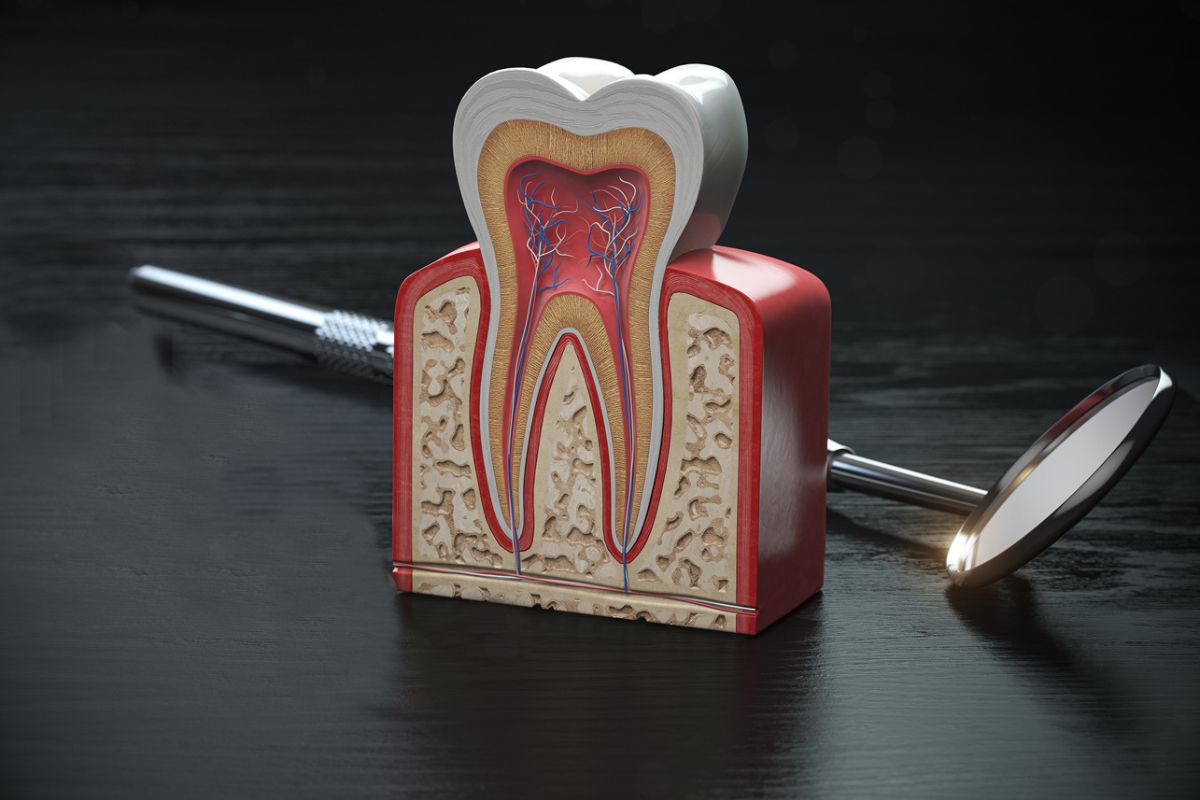
A root canal removes the infected or inflamed pulp from inside your tooth, cleans and shapes the root canals, and seals them to help prevent future infection. This procedure is designed to save a tooth that might otherwise need to be extracted.
Although root canals have a reputation for being painful, modern techniques make the procedure much more comfortable than many people expect. What happens afterward, however, can vary from person to person.
Some Discomfort Right After Treatment Is Completely Normal
The tissue surrounding your tooth, known as the periodontal ligament, experiences trauma during and after the procedure. Your body’s natural response is inflammation, which can cause soreness that lasts anywhere from a few days to a couple of weeks.
This type of post-treatment sensitivity is expected. Taking over-the-counter pain relievers as directed and avoiding chewing on the treated side of your mouth usually helps the discomfort resolve on its own.
When the Pain Is Telling You Something More
The more important concern arises when the discomfort does not fade or returns after the tooth initially seemed to heal. There are several reasons this can happen, and none of them necessarily mean the original dentist made a mistake. Teeth are complex, and root canal anatomy is not always predictable.
Missed or Extra Canals
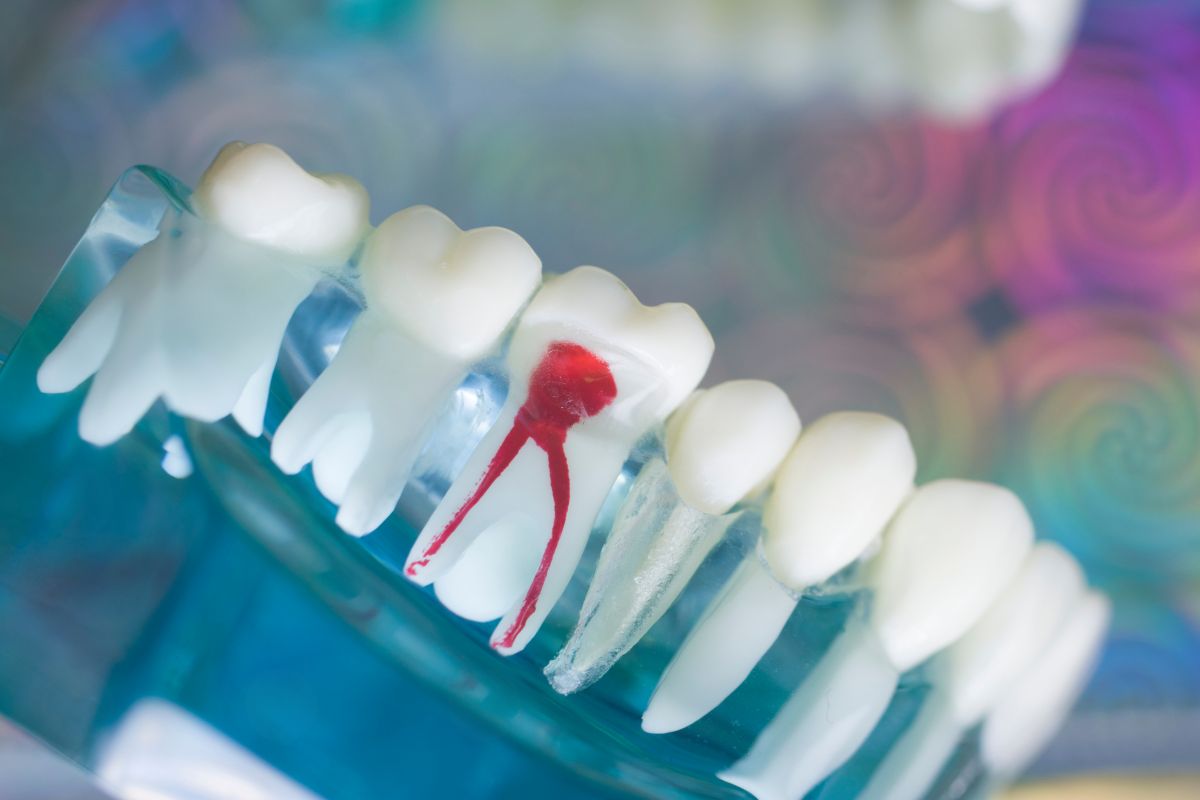
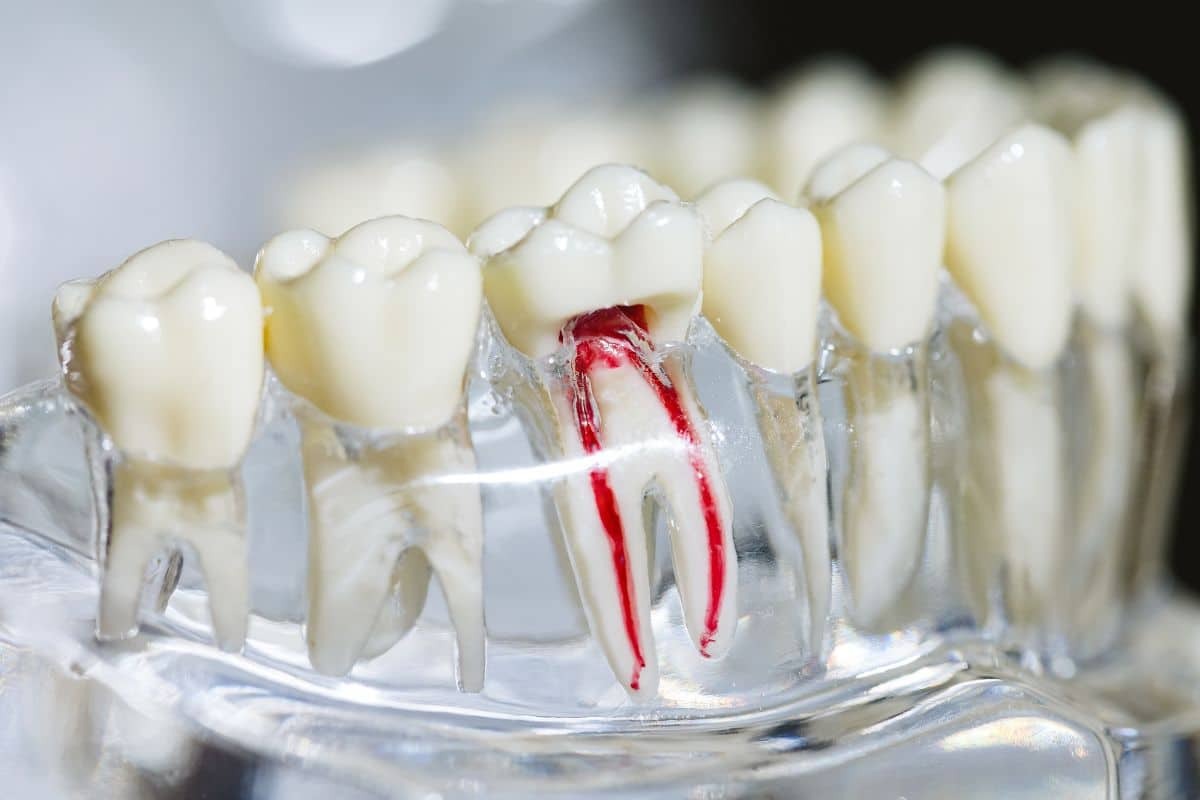
Most teeth have a predictable number of root canals, but not all do. Some molars, for example, may have four canals instead of the expected three.
If even one canal is missed during treatment, bacteria can continue to thrive inside the tooth, leading to persistent infection and pain. This is one of the most common reasons patients require retreatment or evaluation by an endodontist.
Reinfection or Seal Failure
The filling or crown placed after a root canal is designed to create a long-lasting seal that keeps bacteria out.
If that seal breaks down, cracks, or the final restoration is delayed, bacteria can re-enter the tooth. A tooth that felt fine for months but suddenly becomes painful again may be experiencing reinfection.
A Cracked Root
Cracks extending into the root are often difficult to detect, even with X-rays. These fractures create pathways for bacteria that cannot be completely cleaned during root canal therapy.
This can be especially frustrating because the root canal itself may have been performed correctly, while the tooth’s structural integrity had already been compromised. Root cracks may develop from teeth grinding, biting hard objects, or, in some cases, the stress placed on a weakened tooth during treatment.
Referred Pain From a Nearby Tooth
Dental pain does not always originate where it seems.
Sometimes discomfort that appears to come from a root canal-treated tooth is actually caused by a neighboring tooth or even the sinus cavity above it. A thorough clinical examination, percussion testing, and, when necessary, a cone-beam CT scan can help identify the true source of the pain.
What Should You Do If the Pain Persists?
Do not ignore ongoing discomfort.
Persistent tooth pain after root canal treatment that lasts longer than two to three weeks, worsens over time, or is accompanied by swelling, drainage, or fever should be evaluated promptly.
At Watson, Niven, Skahen – Comprehensive, Restorative, & Esthetic Dentistry, we take these concerns seriously and use advanced diagnostic technology to determine the exact cause of your discomfort.
Depending on the diagnosis, treatment may include:
- Root canal retreatment to address missed canals or reinfection
- Referral to an endodontist for specialized evaluation
- An apicoectomy, a minor surgical procedure that removes infected tissue from the tip of the root
- Tooth extraction if the tooth cannot be saved, followed by dental implant planning when appropriate
A Patient Story Worth Sharing
One of our Newport Beach patients visited us eight months after having a root canal completed at another office. She described a dull, persistent ache that never completely went away and had recently become worse while chewing.
After a comprehensive examination and updated X-rays, we identified a periapical lesion—a pocket of infection located at the tip of one of the tooth’s roots. The original root canal had missed a small secondary canal.
Following retreatment and placement of a properly fitted crown, she was pain-free within six weeks. Most importantly, she was relieved to learn that the problem was treatable and that her tooth could be saved.
Peace of Mind Starts with a Proper Evaluation
If you are experiencing unexplained tooth pain after a root canal, you deserve clear answers—not guesswork.
At Watson, Niven, Skahen – Comprehensive, Restorative, & Esthetic Dentistry, our team will carefully evaluate your condition, identify the source of your discomfort, and explain your treatment options with clarity and compassion.
If you’re ready to find lasting relief, visit our dental office and schedule your appointment today.
Frequently Asked Questions
Is it normal to have tooth pain after a root canal?
Yes. Mild discomfort or sensitivity is common for a few days after a root canal because the surrounding tissues need time to heal. However, severe pain or discomfort that lasts more than two to three weeks should be evaluated by your dentist.
Why does my tooth still hurt months after a root canal?
Pain that returns months after a root canal may be caused by reinfection, a missed root canal, a cracked tooth, or a failed restoration. A dental examination can determine the exact cause and recommend the appropriate treatment.
How do I know if my root canal has failed?
Signs of a failed root canal may include persistent tooth pain, swelling, tenderness when biting, sensitivity, or the development of a gum abscess near the treated tooth. Your dentist may recommend X-rays or a CBCT scan for diagnosis.
Can a root canal be redone?
Yes. If a root canal does not heal properly or becomes reinfected, your dentist may recommend root canal retreatment. This procedure removes the old filling material, cleans the canals again, and reseals the tooth to eliminate infection.
When should I see a dentist for pain after a root canal?
You should visit your dentist if your pain lasts longer than two to three weeks, becomes more severe, returns after healing, or is accompanied by swelling, drainage, or fever.
Can a cracked tooth cause pain after a root canal?
Yes. A crack in the tooth or root can cause ongoing pain even after a successful root canal because it allows bacteria to enter the tooth and surrounding tissues. Your dentist can evaluate whether the tooth can be repaired or if another treatment is needed.