Tooth pain and sensitivity are often dismissed until they escalate into more significant oral health concerns. If left untreated, these seemingly minor issues can result in infections affecting the innermost layer of your tooth – the pulp. Want to learn more about this dental treatment? Here, we will provide detailed information on the procedure and the symptoms that indicate that you are in need of root canal therapy.
What Is Root Canal Therapy?
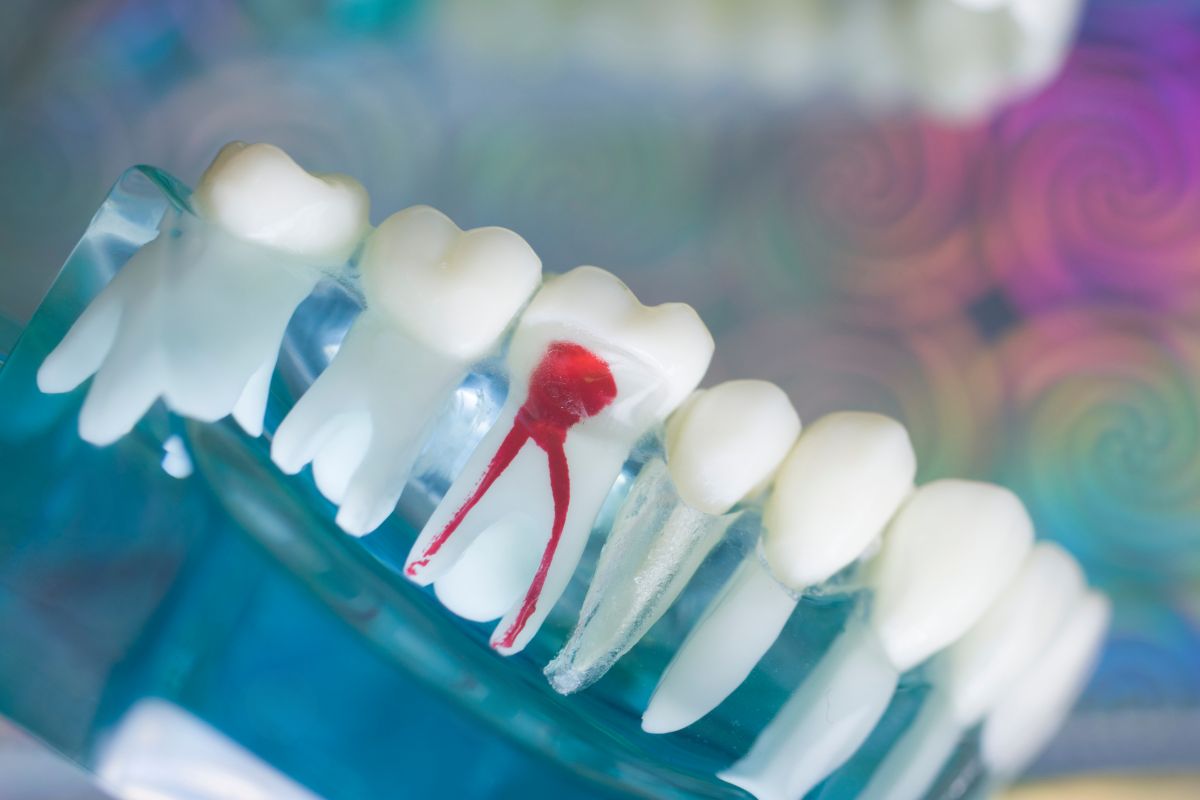
This treatment is an advanced endodontic procedure designed to preserve damaged or infected teeth. The treatment removes infected or necrotic pulp tissue, effectively stopping bacterial proliferation. Sealing the cleaned canals with a biocompatible material restores function while preventing reinfection.
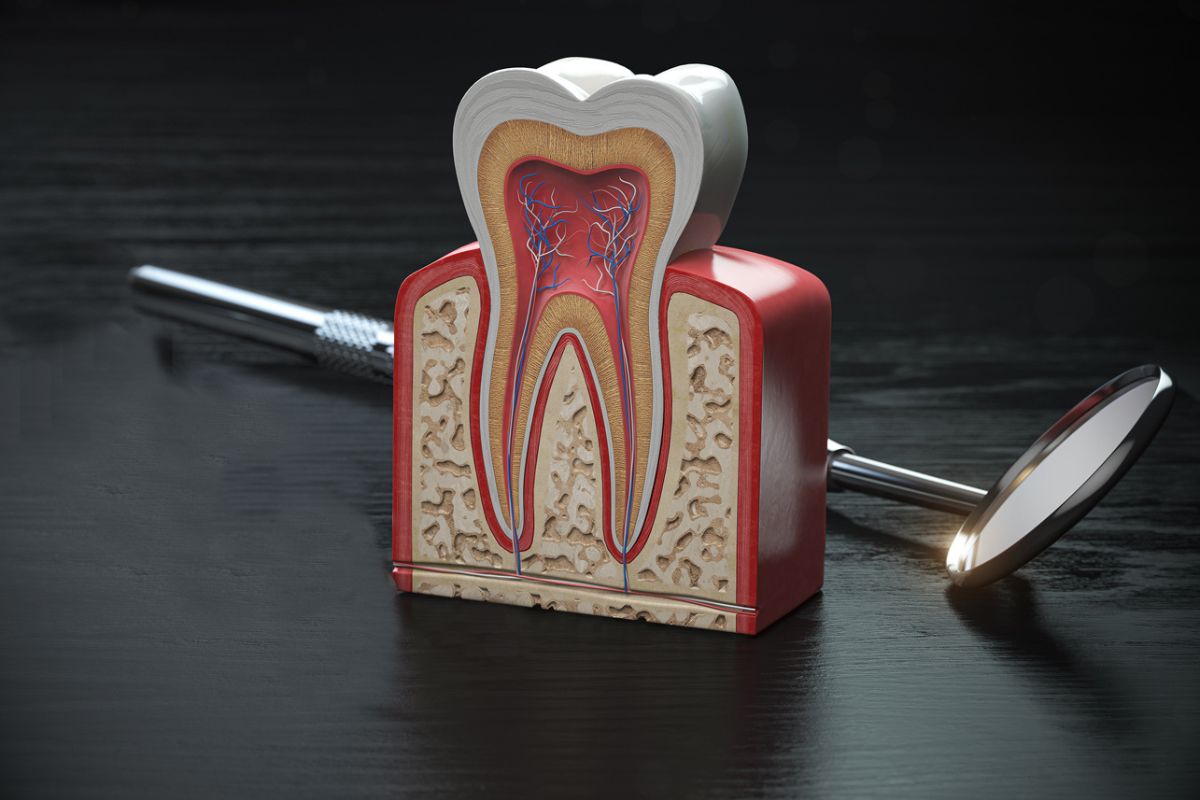
The pulp lies beneath layers of dentin and enamel, containing nerves, connective tissue, and blood vessels. When bacterial intrusion compromises this vital tissue, pain and inflammation arise. Neglecting treatment can lead to abscesses, bone loss, or systemic health risks.
Advances in endodontics, including magnification tools and rotary instruments, have transformed root canal therapy into a streamlined, virtually pain-free process. Clinicians meticulously clean and shape the canals before sealing them with gutta-percha. This ensures both the long-term viability of the tooth and the structural integrity of the dental arch.
Symptoms That You Are in Need of Root Canal Therapy
Recognizing the early signs of pulp damage is essential for timely treatment. Below are the most common indicators:
Persistent Pain in the Affected Tooth
Lingering pain, especially when chewing, indicates possible pulp inflammation or infection. The discomfort may radiate toward your jaw or ear.
Sensitivity to Hot or Cold Temperatures
Prolonged sensitivity, even after removing the thermal stimulus, suggests pulp nerve damage or compromised enamel integrity.
Dark Discoloration or Staining of a Tooth
A grayish hue in a tooth can indicate underlying necrosis or internal bleeding in the pulp chamber.
Swelling and Tenderness in the Surrounding Gums
Inflamed or swollen gums near the affected tooth may signal infection leaking into adjacent tissues. This often creates a localized abscess.
Formation of Gum Pimples or Fistulas
Pus-filled fistulas develop as a drainage response to infection. These lesions are clear indicators of abscess formation in the underlying structures.
Cracked or Chipped Teeth
A fracture that exposes the pulp creates a pathway for bacteria, significantly increasing the likelihood of requiring endodontic care.
Deep Decay or Cavities Reaching the Pulp
Cavities that progress beyond the dentin layer and reach the pulp chamber may trigger severe pain, noticeable cavity symptoms, and infections.
Mobility of a Tooth Due to Infection
Increased mobility, often accompanied by bone loss, may result from the inflammation spreading to periodontal ligaments.
These signs require immediate intervention from a dentist to prevent further complications.
How Can Ignoring the Signs Worsen the Issue?
Untreated pulp infections have cascading effects on both oral and systemic health. Advanced infections can cause jawbone degeneration, sinus involvement, or systemic bacteremia. By addressing early warning signs, you can avoid these risks while preserving your teeth’s functionality.
Patients often delay treatment, fearing myths about discomfort. Modern anesthetic protocols and cutting-edge tools, such as apex locators, ensure that today’s procedures are effective and painless.
Additionally, opting for this treatment avoids costlier interventions, such as tooth extractions and dental implants. Preserving your natural teeth minimizes structural shifts in your bite, preventing long-term complications like TMJ disorders.
Root canal therapy is a cornerstone of modern dentistry, offering an efficient solution to a potentially debilitating problem. By addressing the early signs of pulp damage and seeking timely intervention, you safeguard your oral health and overall well-being. For those in Newport Beach, accessible, effective endodontic care ensures you don’t have to compromise on comfort or results.