By Watson, Niven, Skahen | April 2, 2025
A tooth gap can affect the way you eat and speak. Missing teeth can impact both your aesthetics and functionality. Thankfully, dental implants are one of the best options to replace and restore your lost teeth. They are also capable of supporting your jawbone. It’s quite a complex procedure, and it is normal for you to have questions regarding this treatment. However, if you have gum disease, it can put you at risk and can influence several oral wellness issues. Find out the answer to the question, “Can you get dental implants with gum disease?”
Understanding Gum Disease: What Is It?
Periodontitis and periodontal disease are other names for gum disease. It is a dangerous yet regrettably widespread gum infection. The plaque, which is full of bacteria, adheres to the gum line and accumulates there. It is the main reason why adults lose their teeth.
An elevated risk of heart attack, stroke, and coronary artery disease is linked to gum disease. It also affects diabetes and even some cancers, among other systemic disorders. If you’re considering dental implants in Newport Beach, the team at Watson, Niven, Skahen – Comprehensive, Restorative, & Esthetic Dentistry can evaluate your gum health and provide personalized guidance. To learn more about these gum-related problems, schedule an appointment at our dental office today.
Understanding Dental Implants: What Is It?
Over 3 million individuals in the U.S. have dental implants, with this number increasing by about 500,000 annually. Your lifestyle is drastically altered, and your health is under a lot of stress when you have missing teeth. Dental restorations can help with that. The best way to replace one or more damaged or missing teeth is through dental restorations.
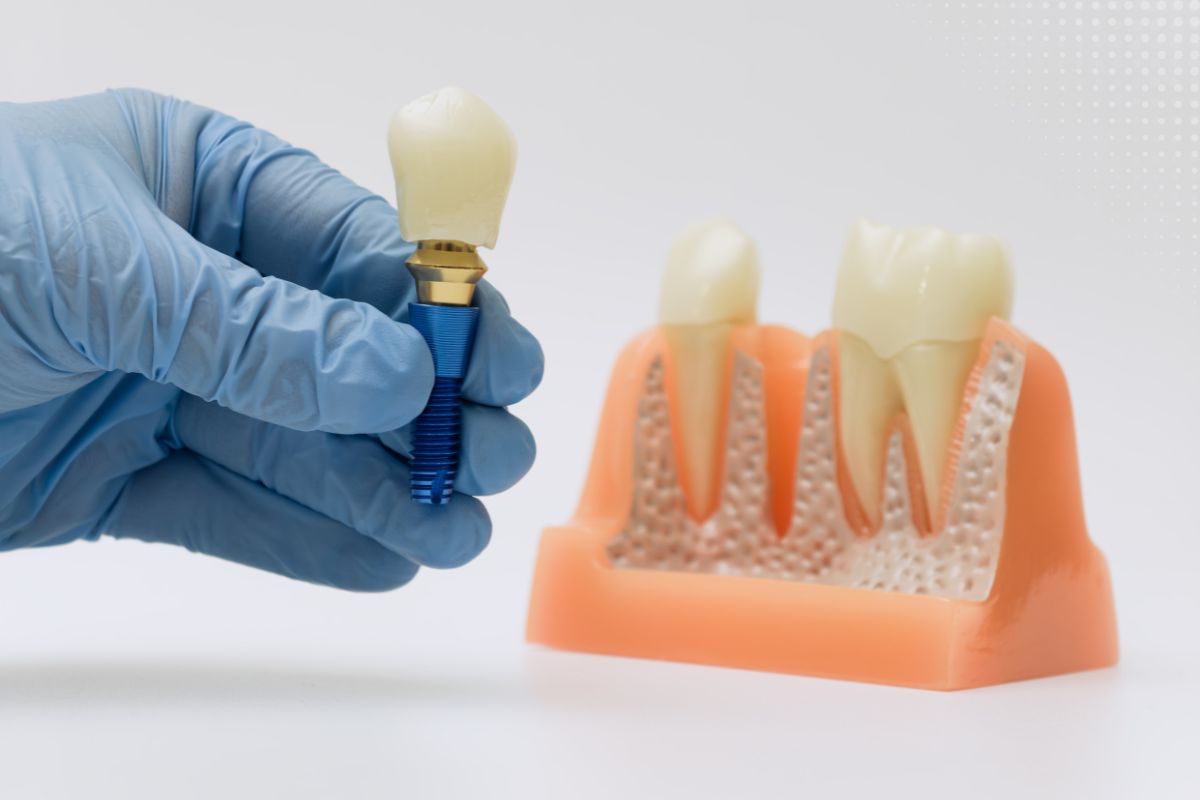
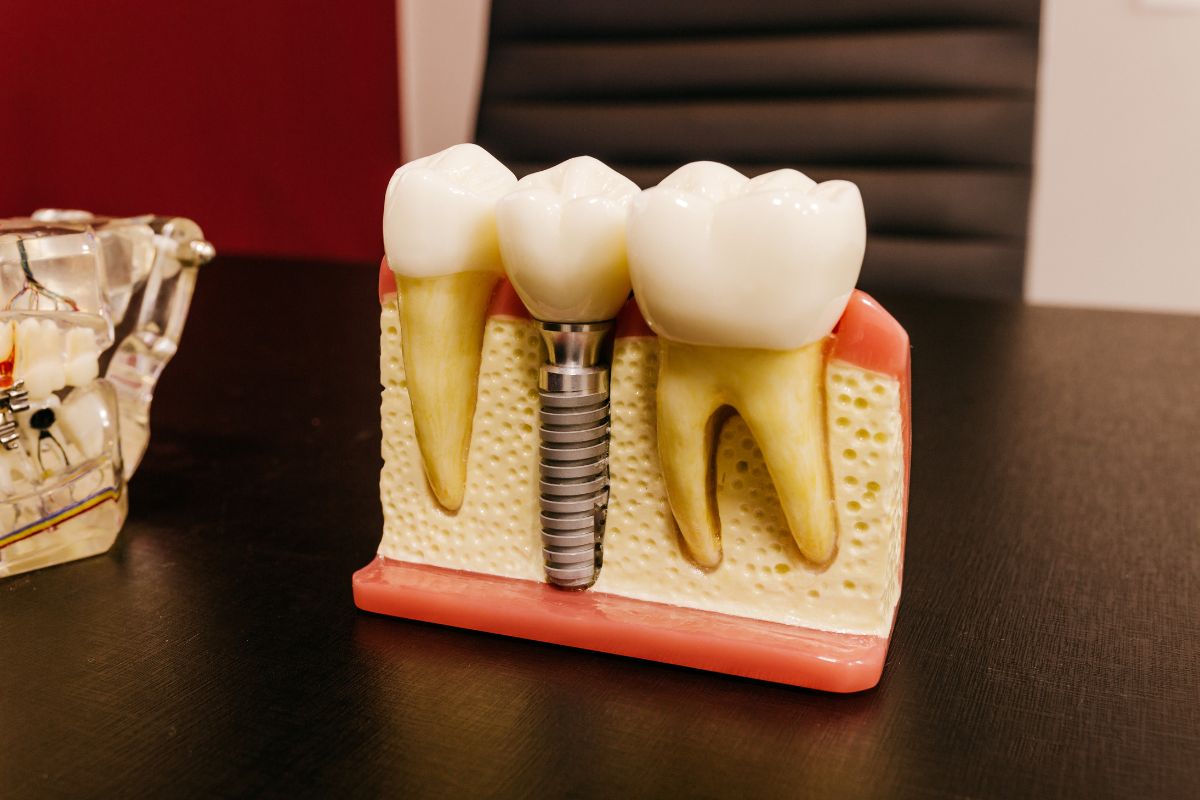
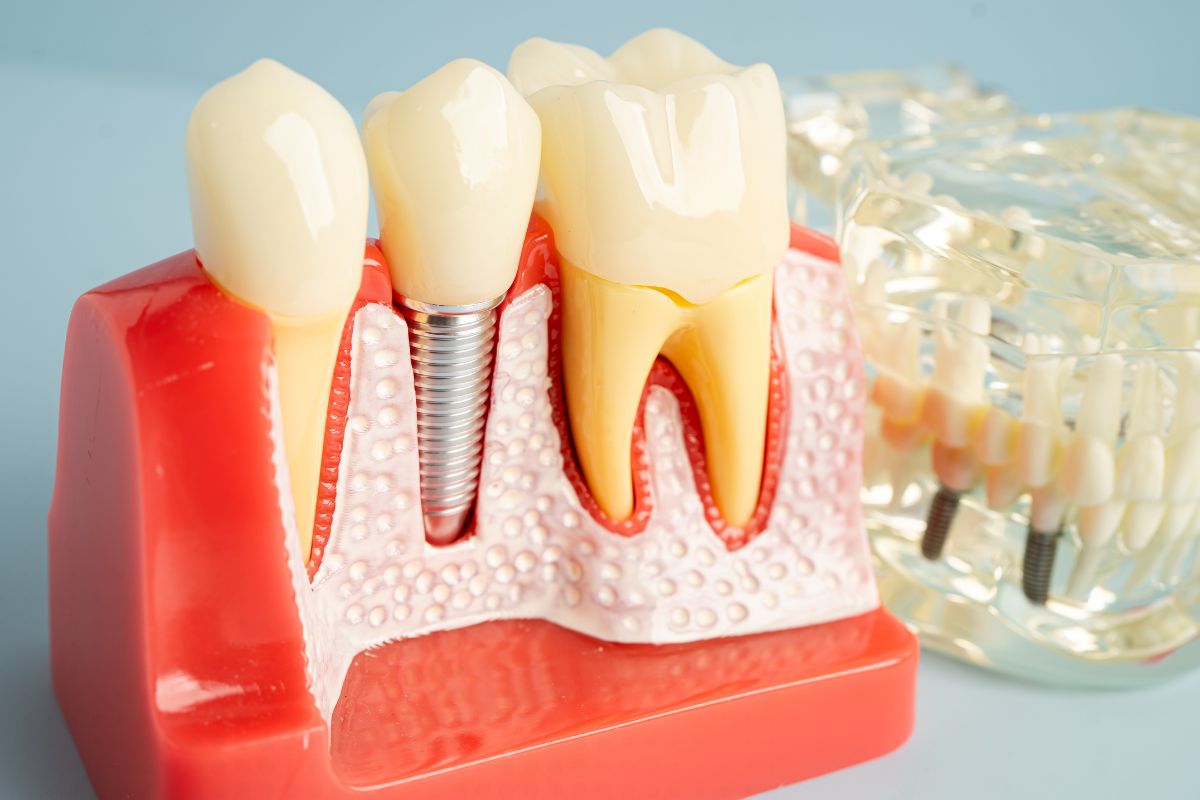
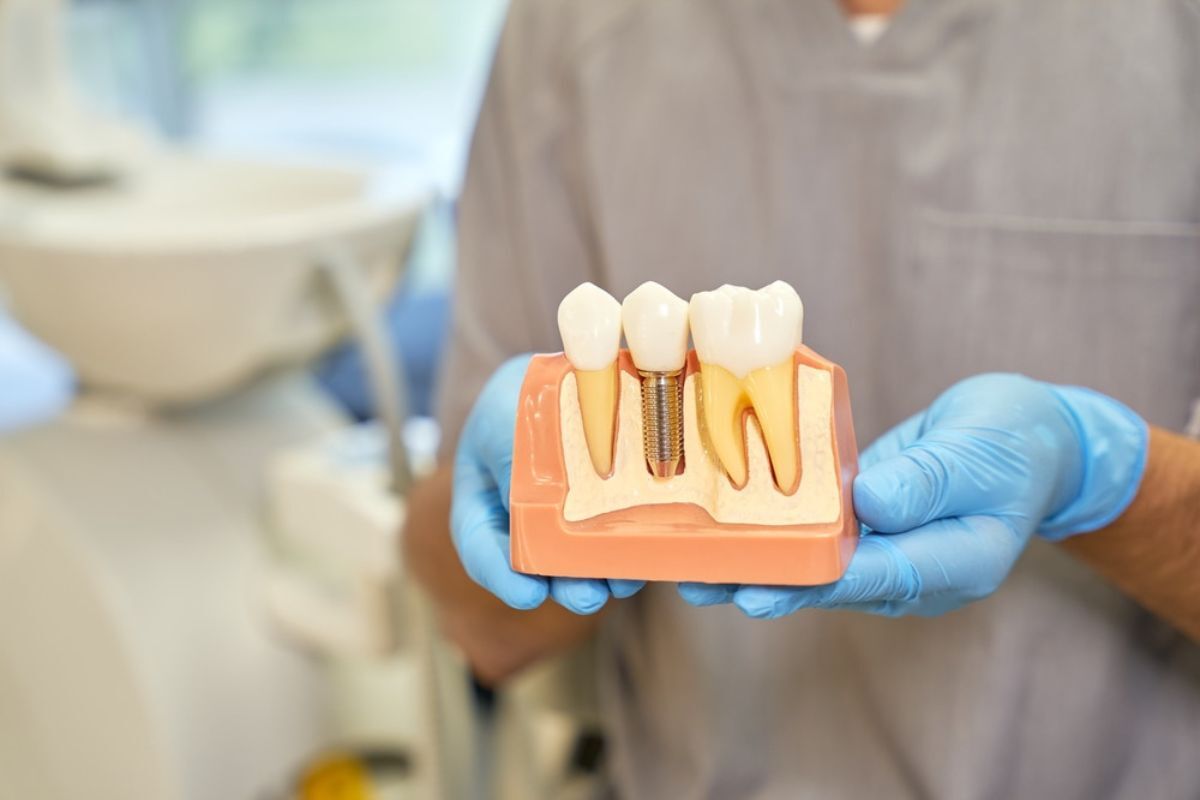
A restoration is placed in your mouth to act as your tooth’s root during treatment. Later, a crown, bridge, or other natural-looking tooth replacement is placed over it. For patients wondering whether dental implants with gum disease are possible, this process helps ensure that once restored, no one will even notice you ever lost a tooth.
Are Dental Restorations Possible with Gum Disease?
The answer is straightforward: no. To receive dental implants, you must have strong, healthy gums. Gum disease weakens and dissolves this bone and tissue. Therefore, your jawbone and gum tissue might not be strong enough to support artificial teeth, even after the condition has been treated. Your jawbone needs to be sufficiently broad and thick for the treatment to work and securely support the repair. When these conditions are met, you can experience the long-term benefits of dental implants, as the final restoration and implant must also be completely encased in your gum tissue.
What to Expect if Gum Disease Develops After an Implant?
Indeed, after receiving your prosthetic teeth, you run the risk of developing gum disease. That kind of situation could lead to more issues. Preventing problems before they arise is preferable. You must incorporate certain dental practices into your everyday routine care. The list of actions you can take is as follows:
- You must make brushing and flossing a daily routine.
- Your dentist should see you at least twice a year.
- Consult your with your dentist for further details on preventive care.
- Started eating healthily right away.
- To lower any risk factors, stop smoking if you currently do.
A restoration is placed in your mouth to act as your tooth’s root, and later a crown, bridge, or other natural-looking restoration is added. This approach ensures your smile looks completely natural.
This applies even when discussing dental implants with gum disease, something many patients worry about. Are you feeling nervous about your dental implantation? If yes, then let us tell you that it is absolutely normal. We suggest treating your gum disease before getting implants. However, we can provide professional guidance after the consultation. At Watson, Niven, Skahen – Comprehensive, Restorative, & Esthetic Dentistry, we provide personalized services and compassionate care. Schedule an appointment with us to restore your missing teeth.