You have finally decided to explore dental implants. You did your research, found a trusted practice, and feel genuinely excited about reclaiming your smile. But then your dentist mentions something that stops you: bone loss. Suddenly, what felt like a straightforward solution feels uncertain.
Could bone loss be quietly working against you right now, even before you step in for treatment? If you have been putting off addressing a missing tooth or simply want to understand what makes implants succeed or fail, this matters more than most people realize. At Watson, Niven, Skahen – Comprehensive, Restorative, & Esthetic Dentistry, we hear this concern often from patients across Newport Beach, and the truth is both eye-opening and reassuring when you have the right information.
What Is Bone Loss?
Jawbone loss begins almost immediately after a tooth is lost. Your jawbone stays strong because tooth roots stimulate it every day through chewing and biting pressure. Once a tooth root is missing, the bone underneath no longer gets that regular stimulation and begins to shrink over time. Many patients only discover this issue when a Newport Beach dentist evaluates them for getting a permanent restoration. Here is what happens over time:
Within the first year: You can lose up to 25 percent of bone width at the extraction site.
Over several years: Significant vertical bone height is also lost, changing the shape of your jaw and face.
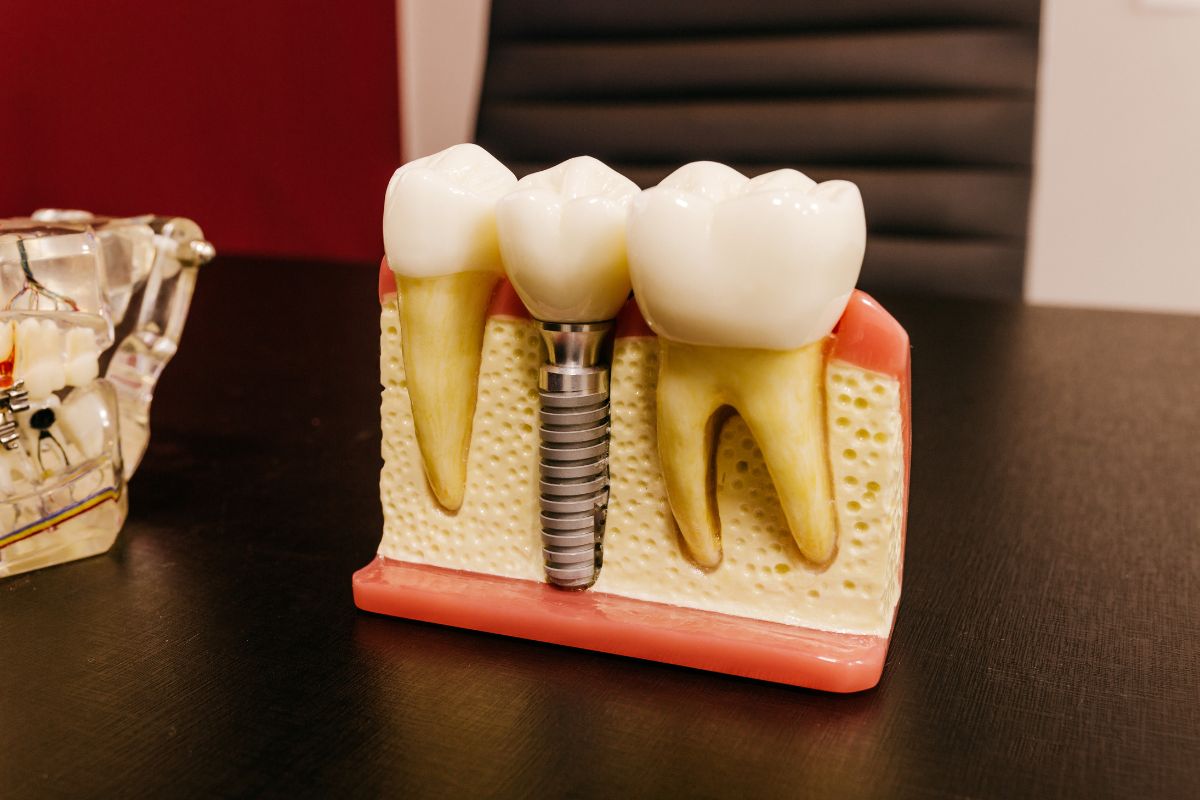
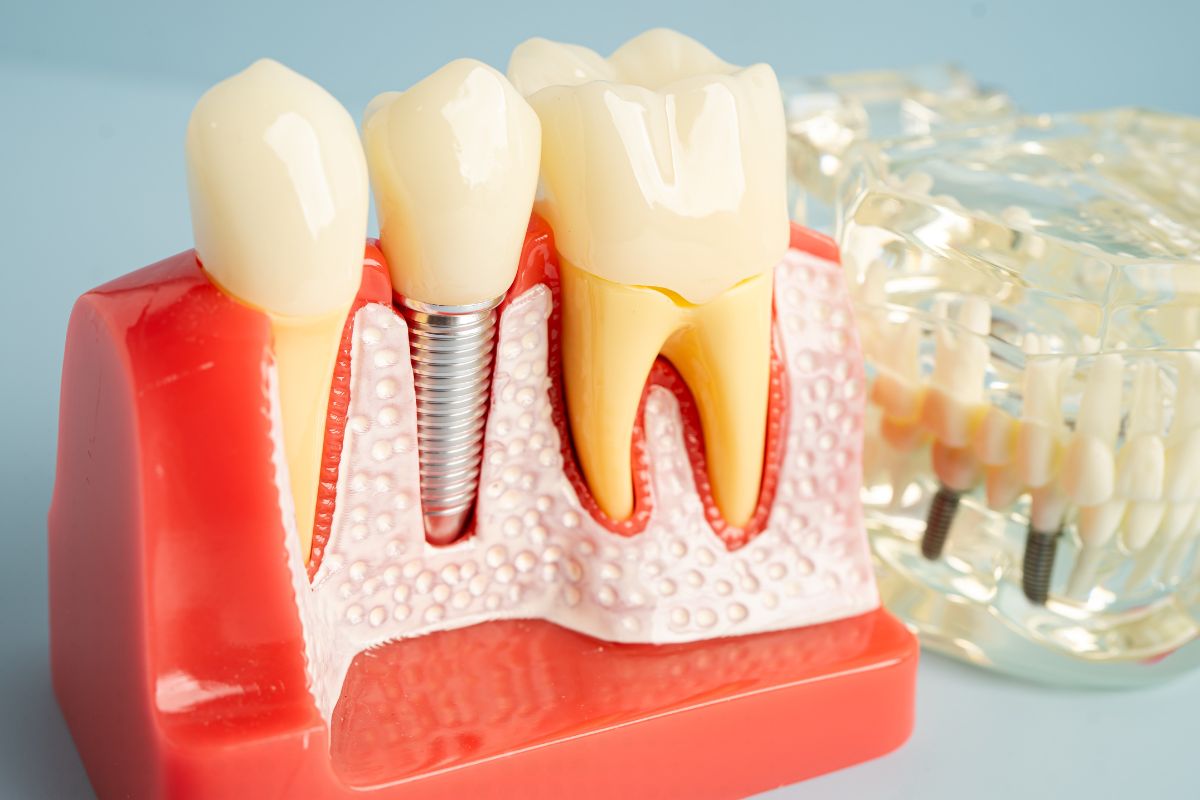
Structural impact: Bone loss directly affects the treatment’s success because implants rely on the jawbone as their anchor. A titanium post placed into insufficient bone does not have enough material to integrate with. That process of integration, called osseointegration, is what makes an artificial tooth root feel and function like a real tooth. Without adequate bone density and volume, osseointegration is compromised, and the risk of implant failure rises substantially.
A professional will always evaluate bone density and volume as one of the very first steps. This is typically done with a cone-beam CT scan, which allows measurement of bone height, width, and density before any treatment plan is finalized.
What Are the Early Signs That Bone Loss May Already Be Happening?
Bone loss is often silent, but there are warning signs. Understanding how bone loss affects on dental implant success becomes important when changes in your jawbone begin limiting your treatment options. You may notice:
- Loose teeth
- Changes in facial appearance
- Dentures that fit poorly
- Gum recession
- Difficulty chewing
- Jaw discomfort
- Teeth shifting position
Some patients also notice that their face appears slightly sunken around the mouth. That happens because the jawbone helps support facial structure. A trained oral care provider can detect this concern early before symptoms worsen.
Can a Bone Graft Actually Fix the Problem?
Yes, and this is where the treatment gets genuinely hopeful. Bone grafting is a well-established procedure that rebuilds lost jaw structure, creating a viable foundation for the restoration. The grafting material acts as a scaffold that encourages your existing bone to regenerate over several months. Here are the main types of grafts used in modern dentistry:
- Socket Preservation Graft: Placed immediately after an extraction to prevent the bone loss that would otherwise follow. This is one of the most underused yet impactful steps in the procedure’s planning.
- Ridge Augmentation Graft: Used when significant resorption has already taken place, and the jawbone needs to be rebuilt before prosthetic teeth can be considered.
- Sinus Lift: A specialized procedure for the upper back jaw, used when the sinus cavity has expanded into the area where the titanium post would go.
Also, having a graft placed at the time of tooth extraction, rather than waiting months or years later, is useful. Waiting significantly reduces the chance of reversing.
How Does Gum Disease Quietly Accelerate Bone Loss Around Implants?
Periodontal disease is one of the most common and most underestimated contributors to jawbone deterioration. As gum disease progresses, the bacterial infection does not just affect soft tissue. It actively destroys the bone supporting your teeth.
Untreated gum disease is a disqualifier: Placing a titanium post in an environment with active gum infection increases the risk of peri-implantitis.
Peri-implantitis causes bone loss around the newly implanted tooth: Left untreated, this leads to failure of the treatment.
Gum health must be stabilized first: Depending on the severity of periodontal disease, this may involve deep cleaning, localized antibiotic treatment, or surgical intervention.
Patients who maintain excellent periodontal health after getting artificial tooth roots through consistent professional cleanings and good home care see significantly better long-term outcomes.
Are There Hidden Risk Factors That Speed Up Bone Loss Without Warning?
Several systemic and lifestyle factors accelerate bone loss in ways many patients are not aware of, and they are:
- Uncontrolled diabetes: Affects circulation and the body’s ability to heal, both of which are critical for integration and long-term bone stability.
- Osteoporosis: Reduces overall bone density throughout the skeletal system, including the jaw. Bisphosphonate medications used to treat osteoporosis can also affect how the jawbone responds to surgery.
- Smoking: Restricts blood flow to the gums and bone, impairs healing, and increases the surgery’s failure rate. Research shows smokers experience significantly higher rates of peri-implantitis and implant loss.
- Chronic stress: Elevated cortisol levels affect immune function and healing. For Newport Beach families managing demanding careers or high-intensity schedules, this is a subtle but real factor worth discussing before beginning treatment.
What Does a Thorough Evaluation Actually Look Like?
Before confirming whether you are suitable for the treatment, the evaluation includes:
- Full medical and dental history review: To identify systemic conditions, medications, and habits that could influence outcomes.
- Periodontal health assessment: To confirm that gum disease is fully under control before any surgical planning begins.
- 3D Cone Beam CT Scan: To measure bone volume, density, and quality at the exact surgical site.
- Bite and adjacent tooth analysis: To ensure the titanium post placement will function correctly within the full structure of your mouth.
This level of diagnostic detail is what separates predictable, long-lasting implant success from unnecessary risk.
What Can You Do Right Now Before Considering Prosthetic Teeth?
If you have already lost a tooth, visit our dental office in Newport Beach sooner rather than later. Start protecting your bone health by:
- Treating gum disease early
- Replacing missing teeth promptly
- Avoiding tobacco products
- Maintain regular routine visits
- Follow strong oral hygiene habits
- Managing chronic health conditions
Preventing bone loss is always easier than rebuilding it later.
Your Smile Deserves More Than a Best Guess
Bone loss is not the end of your implant journey. It is simply part of the honest conversation that our dental team will have with you before treatment begins. At Watson, Niven, Skahen – Comprehensive, Restorative, & Esthetic Dentistry, our approach to implant dentistry is rooted in precision, thorough assessment, and a genuine commitment to lasting outcomes. Dr. Niven and the team have helped patients across Newport Beach rebuild their smiles, even after significant bone loss, using advanced grafting techniques and a meticulous treatment process. If you have been wondering whether bone loss affects your dental implant success, the most empowering step you can take is to find out exactly where you stand. Schedule a consultation with our team and get the clarity you deserve.
Frequently Asked Questions
Does age affect dental implant success if you have bone loss?
Age alone does not determine the success of artificial tooth roots. Healthy older adults often qualify for this treatment. The real concern is bone density, gum health, and overall healing ability. Your dentist will evaluate these factors before recommending treatment.
Can osteoporosis prevent you from getting dental implants?
Not always. Many patients with osteoporosis still qualify to receive prosthetic teeth. Our dentist may review medications, bone density levels, and overall health before creating a treatment plan that supports safe healing and long-term stability.
Is bone grafting painful?
Most patients report mild discomfort rather than severe pain. Local anesthesia keeps the procedure comfortable. Some swelling and soreness may occur afterward, but it is usually manageable with medication and proper aftercare.
How long should you wait for getting implanted teeth after bone grafting?
Healing time depends on the extent of bone grafting. Many patients wait three to six months before implant placement. Your dentist will monitor the healing process to ensure the jawbone is strong enough.
Can smoking worsen bone loss before dental implants?
Yes, smoking reduces blood flow and slows healing. It can accelerate bone deterioration and increase the risks of treatment failure. Thus, professionals recommend quitting the habit before the treatment to improve healing and long-term results.
Do dental implants stop future bone loss?
Yes, they help stimulate the jawbone like natural tooth roots. This helps slow future bone deterioration. Implanted teeth.