When considering tooth replacement options, many patients wonder whether dental implants hurt? The good news is that modern implant dentistry prioritizes patient comfort. With advanced techniques and anesthesia, discomfort is usually minimal. Interested to know what you can expect before, during, and after the procedure? This blog will be your ideal guideline.
Understanding Dental Implant Placement
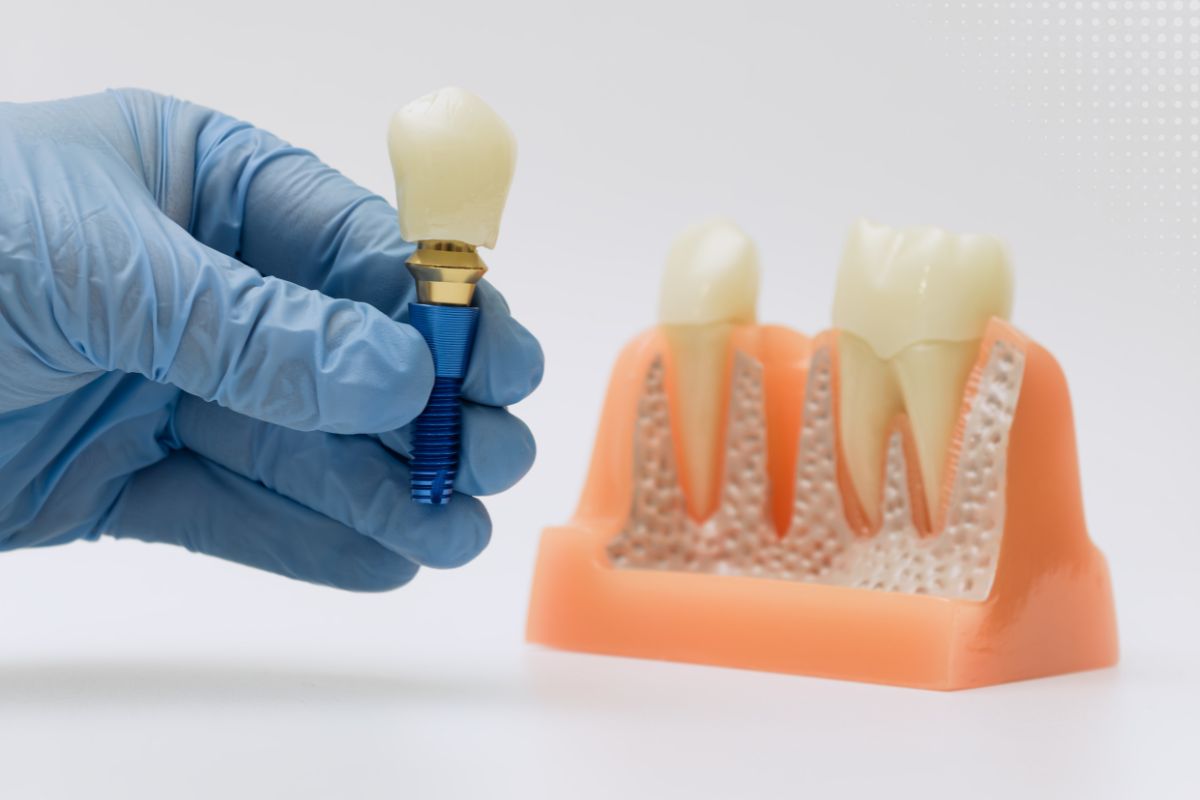
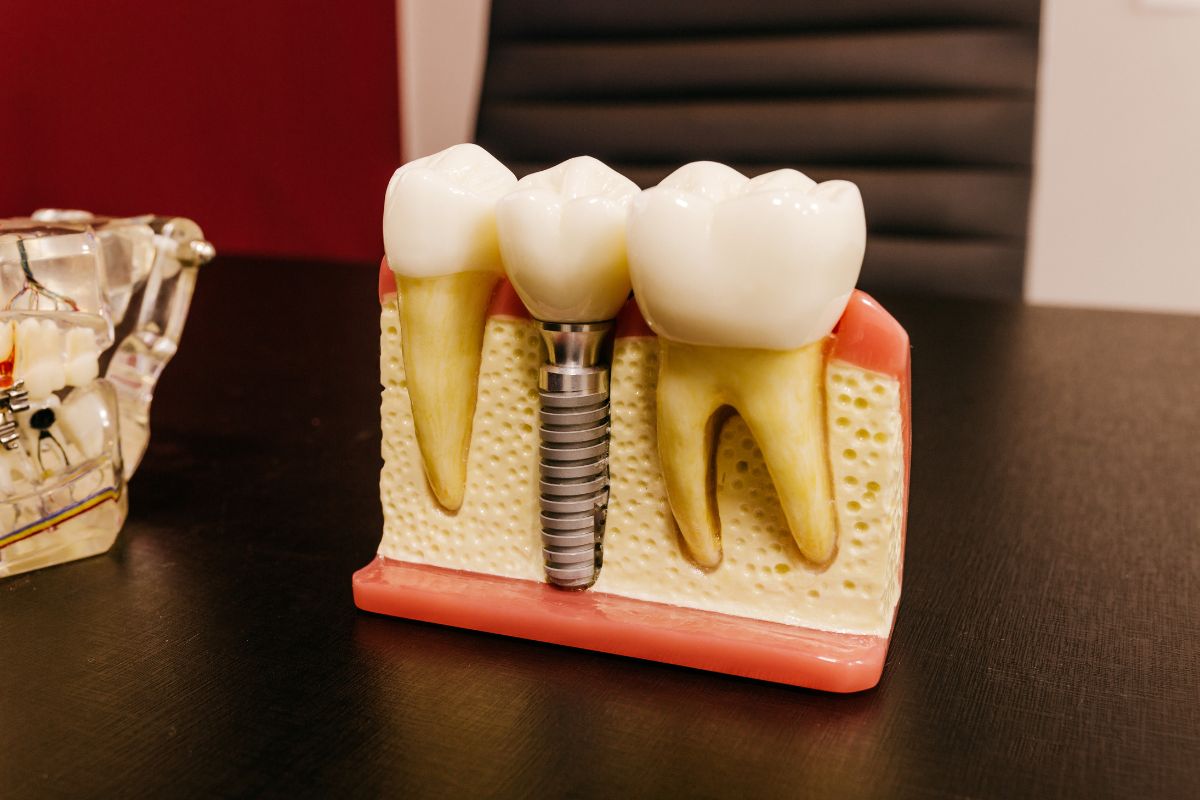
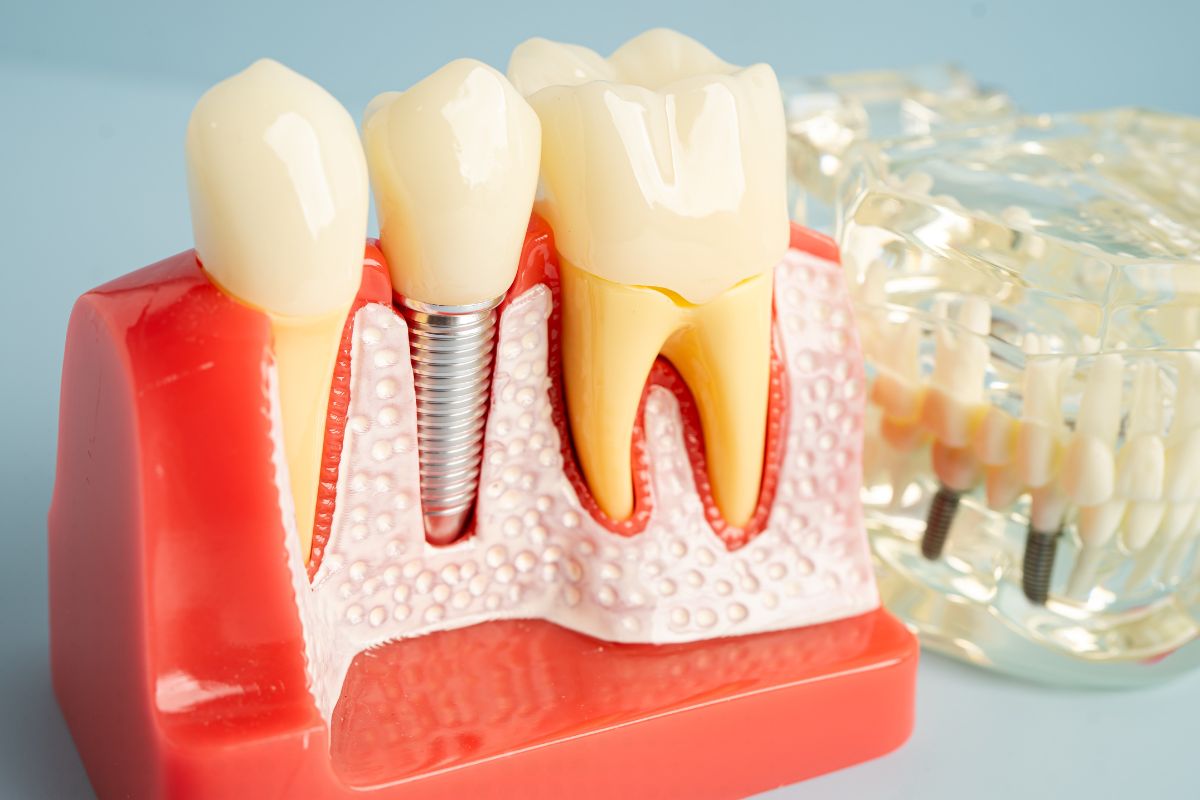
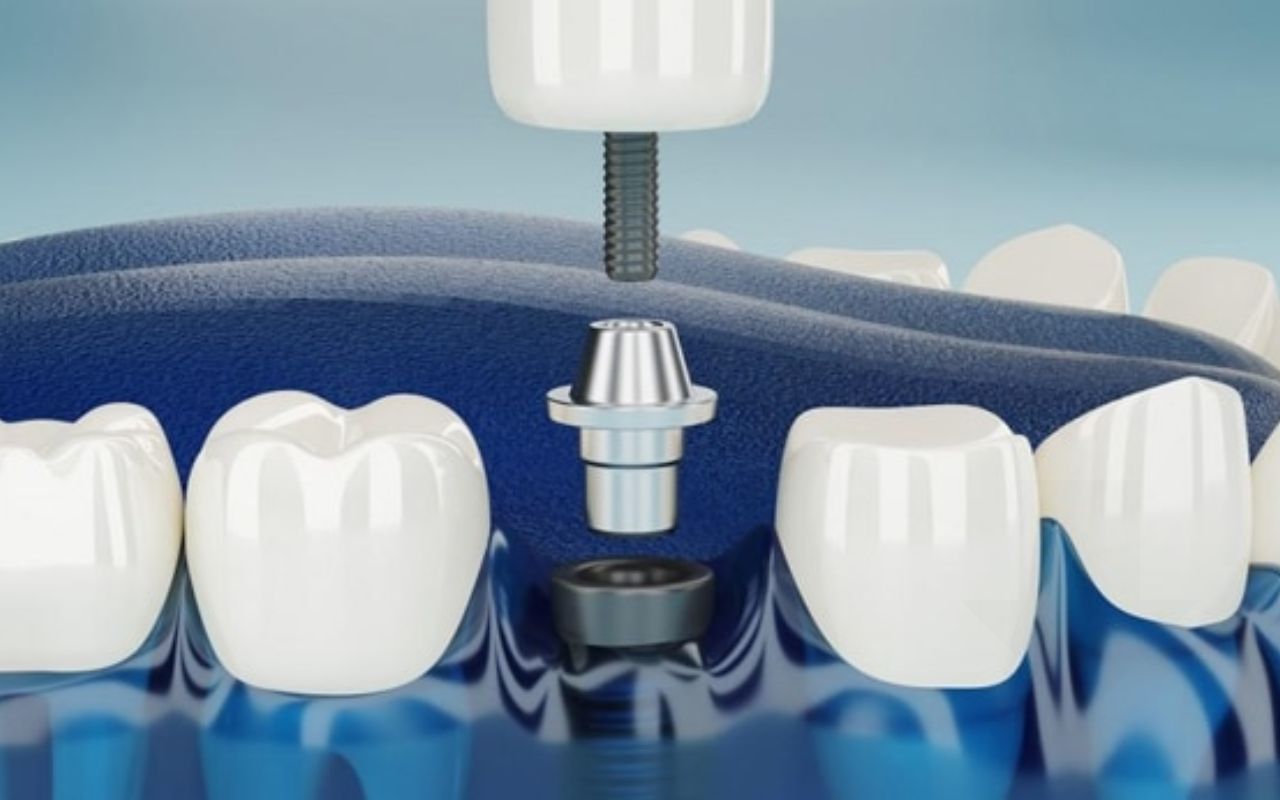
These titanium posts are surgically placed in the jawbone to replace missing teeth. Because the procedure is performed under local anesthesia or sedation, patients typically feel pressure rather than pain. After the numbing effect wears off, mild soreness is common, but most patients describe it as manageable with prescribed or over-the-counter medication.
At Watson, Niven, Skahen – Comprehensive, Restorative, & Esthetic Dentistry, patients seeking dental implants in Newport Beach can feel confident knowing we use the latest technology and techniques to ensure treatment is smooth, precise, and as comfortable as possible.
What to Expect During Surgery?
During the implant procedure, your dentist will:
- Administer anesthesia or sedation for comfort.
- Place the implant post carefully into the jawbone.
- Close the site with sutures to aid healing.
The process often takes less time than patients anticipate. Because the area is fully numbed, you shouldn’t feel sharp pain during placement. The surgical team will monitor you throughout to ensure your comfort.
Post-Surgery Sensations and Recovery
After implant placement, it is quite common to experience some swelling, tenderness, or mild bruising around the area. These sensations are typically temporary and tend to reach their peak within the first two days post-procedure. However, it gradually subsides as the healing process progresses. You can manage these symptoms effectively by applying ice packs to reduce swelling. Moreover, consuming soft and easy-to-chew foods minimizes discomfort. Make sure you take only the prescribed medications as directed to alleviate pain.
Most patients find that they can resume their normal daily activities and work routines within a couple of days after the procedure, thanks to the body’s natural healing capabilities. However, it’s important to monitor the site; persistent or worsening discomfort beyond the first week is uncommon and may indicate complications.
If you experience increasing pain, swelling, or signs of infection such as fever or pus discharge, it is crucial to contact your dentist promptly. Early intervention can prevent further issues and ensure a smooth recovery.
Comparing Dental Implants to Other Treatments
When patients ask whether dental implants hurt, they often compare them with extractions, root canals, or dentures. In reality:
- Implants are typically less painful than tooth extractions because of precision placement.
- Unlike removable dentures, implants don’t cause gum irritation.
- Post-operative sensitivity is usually shorter than root canal recovery.
Overall, implants offer one of the most comfortable and long-term solutions for tooth replacement.
Long-Term Comfort of Implants
Once the healing phase is complete, dental implants function just like natural teeth. They fuse with the jawbone through a process called osseointegration, which creates a stable foundation for chewing, speaking, and smiling. This stability prevents the slipping, rubbing, or clicking that can occur with dentures, offering a more natural and worry-free experience.
With implants, patients no longer need adhesives or the adjustments that dentures often require. There’s no pressure on the gums, which helps prevent sore spots and irritation. Instead, implants distribute bite forces evenly across the jawbone, much like natural teeth, helping preserve bone density and facial structure.
Long-term comfort also depends on good oral care. Brushing twice daily, flossing around the implant crown, and scheduling routine dental checkups are essential for keeping the implant and surrounding gums healthy. With proper maintenance, dental implants can last decades, and many patients never need replacements.
In fact, most people report that after the initial healing period, they often forget they even have implants. The look, feel, and function of implants are so natural that they become a seamless part of everyday life.
How to Minimize the Discomfort?
To ensure your recovery is smooth and comfortable, dentists often recommend certain tips, and they are as follows:
- Follow all aftercare instructions closely.
- Avoid smoking, which delays healing.
- Eat soft foods for the first few days.
- Attend follow-up visits to monitor healing.
With these steps, discomfort is minimized, and the success rate of implants remains very high.
Ready to Restore Your Smile with Confidence?
So, do dental implants hurt? Some mild discomfort is normal, but most patients are surprised at how manageable the process feels. With today’s advanced techniques, anesthesia, and attentive aftercare, implants are among the most comfortable and reliable ways to replace missing teeth.
Once healed, they will look, feel, and function just like natural teeth, helping you enjoy eating, speaking, and smiling again without worry. If you have been living with gaps in your smile, now is the perfect time to take the next step.
At Watson, Niven, Skahen – Comprehensive, Restorative, & Esthetic Dentistry, we’re here to guide you through every stage of the implant process with care and understanding. Schedule your consultation today and see how modern dentistry can give you not just a better smile, but a better quality of life.