By Watson, Niven, Skahen | December 26, 2024
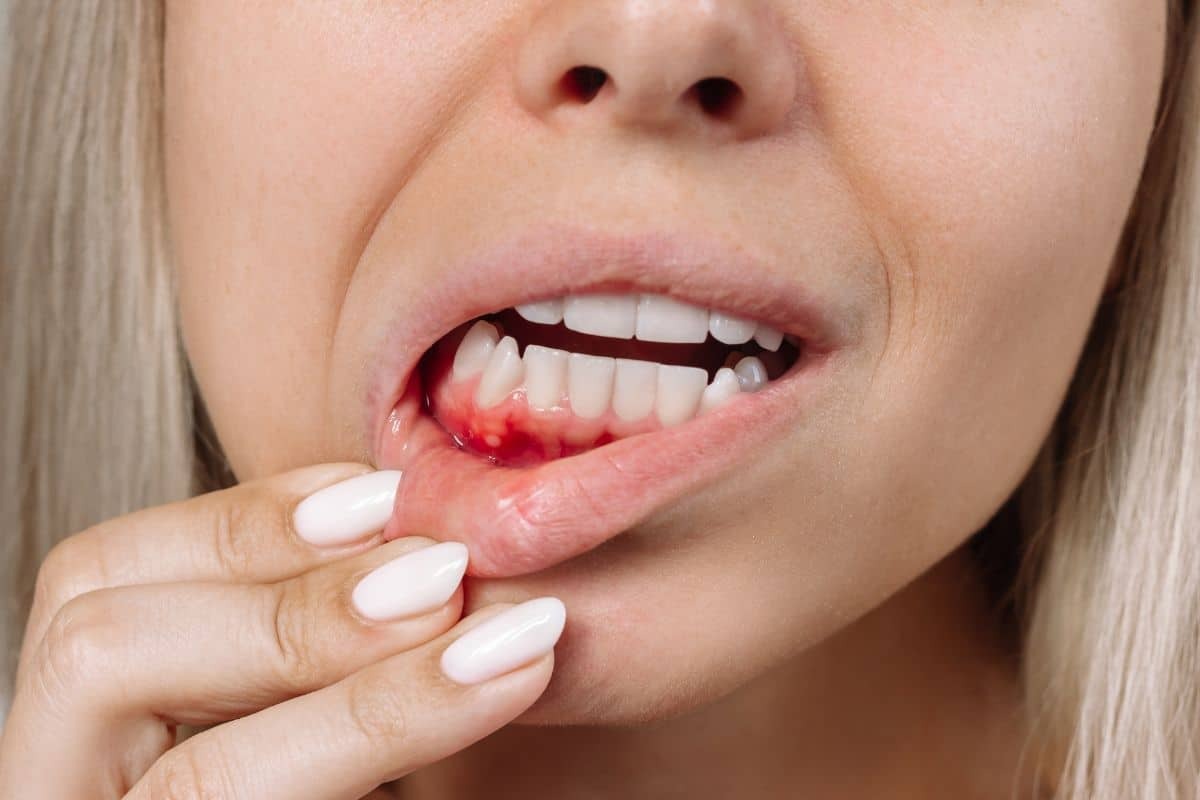
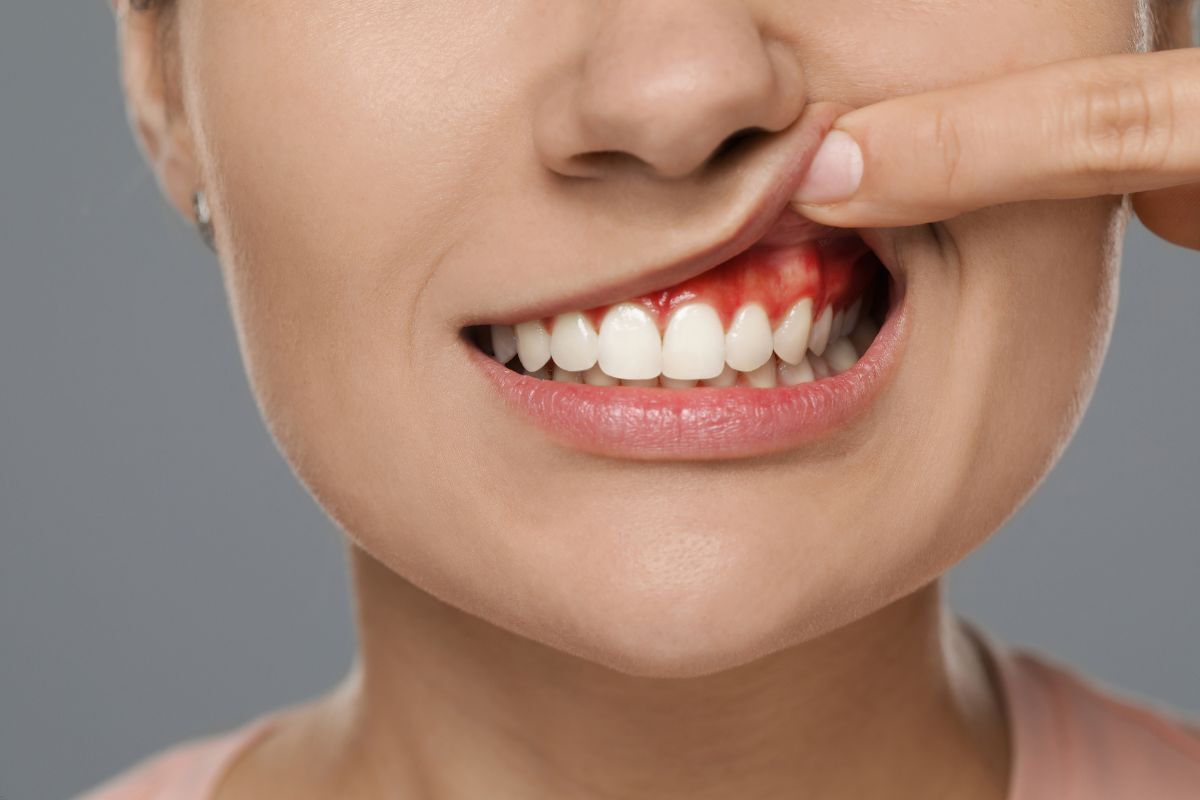
Gum disease, a significant oral health concern, affects millions of Americans annually. Left untreated, it can lead to tooth loss and systemic health complications. While many patients focus on brushing, flossing, and dental cleanings, a lesser-known procedure, gingival reshaping, plays a critical role in periodontal health. This blog highlights how gum contouring benefits patients, ensuring healthier smiles and stronger oral health foundations.
Understanding Gum Contouring
\Gingival reshaping, often referred to as gum contouring, is a minimally invasive cosmetic and preventive dental procedure. It involves reshaping by removing excess or overgrown tissue. This process creates an aesthetically pleasing and functionally sound gumline.
The procedure addresses overgrowth or asymmetry in the soft tissue that frames the teeth. Overgrown tissue often provides hiding spots for bacteria, while uneven contours make effective cleaning difficult. By reshaping the tissue, the dentist can ensure a balanced line that’s easier to maintain.
For many patients, the importance of this reshaping extends beyond aesthetics. It’s a preventive solution that lays the groundwork for improved oral hygiene and long-term stability.
Benefits of Gum Contouring
The benefits of gingival reshaping go far beyond achieving an attractive smile. It plays a crucial role in maintaining oral health and preventing more severe issues. Here are some of the primary advantages:
Improved Cleaning Access
Recontoured tissue eliminates crevices where bacteria thrive, allowing for more effective brushing and flossing.
Reduced Plaque Retention
Symmetrical and well-aligned gumlines prevent food particles and plaque from accumulating in hard-to-reach areas.
Strengthened Gum-to-Tooth Seal
Properly aligned tissue provides a tighter seal around the teeth, minimizing bacterial intrusion and inflammation.
Aesthetic and Functional Harmony
The reshaping creates a uniform line, contributing to both better oral health and enhanced confidence.
Reducing the retention zones for plaque and bacteria with procedures similar to plaque removal and cleanings significantly lowers the risk of chronic inflammation and other complications. Patients often find that their daily oral hygiene routines become more effective after this procedure.
How Does Gingival Reshaping Prevent Periodontal Issues?
While regular cleanings and good hygiene habits target surface-level concerns, reshaping addresses deeper structural issues. Irregular tissue can interfere with brushing and flossing, making it easier for biofilm to accumulate. This buildup often leads to inflammation, gum recession, and even bone loss.
By removing excess tissue and smoothing uneven areas, reshaping promotes healthier interactions between teeth and surrounding soft tissue. This creates a better environment for hygiene maintenance and reduces the likelihood of bacterial growth. Additionally, it prevents minor gingivitis from progressing into advanced dental disease.
Here are some of the key ways this procedure safeguards against complications:
- Enhanced Oral Health Foundation: The removal of excess tissue ensures a stable and cleanable gumline.
- Minimizing Risk of Chronic Conditions: Early intervention through reshaping prevents long-term damage and costly interventions down the line.
- Prevention of Gum Pocket Formation: A smooth and snug gumline eliminates spaces where harmful bacteria can thrive.
This proactive approach not only protects against periodontal issues, but also supports the overall health of teeth and gums. It’s an excellent solution for individuals looking to preserve their oral health for the long term.
Who Should Consider Gingival Reshaping?
Gum contouring is ideal for individuals with excessive, uneven, or receding soft tissue around their teeth. Common concerns that make someone a good candidate include:
- Chronic gum inflammation or tenderness.
- Difficulty maintaining proper hygiene despite consistent brushing and flossing.
- Aesthetic dissatisfaction with uneven tissue lines or “gummy smiles.”
Consulting with a dental professional is the best way to determine whether reshaping is right for you. An expert evaluation will ensure that the procedure addresses both functional and cosmetic needs. Many dentists also offer a tailored approach, considering your oral health history and goals.
Aftercare and Long-Term Maintenance
After reshaping, proper care is essential to maintain results and prevent future issues. Following these tips will ensure lasting benefits:
Adhere to Post-Procedure Guidelines
Follow all recovery instructions, including using prescribed rinses and avoiding hard foods.
Stay Consistent with Cleanings
Professional cleanings help remove any buildup and maintain a healthy gumline.
Use Dentist-Approved Products
ADA-recommended toothbrushes and antimicrobial rinses can help protect against bacterial growth.
Commit to Healthy Habits
A balanced diet and avoidance of smoking will promote healing and long-term gum health.
Reshaping provides a pathway to better oral hygiene and periodontal stability. Patients often report not only improved health but also a boost in confidence from their enhanced smile. By prioritizing these preventive measures, you can protect your gums and ensure a lifetime of better oral health.
Gingival reshaping offers more than cosmetic benefits—it’s an investment in your long-term oral wellness. Whether you’re managing an existing issue or taking steps to prevent one, this procedure can make a meaningful difference in your dental care routine. Don’t hesitate to reach out to our dental practice to explore your options and take the first step toward a healthier smile.