By Watson, Niven, Skahen | September 14, 2026
Returning to dental care can feel like a major step, especially after a long gap between appointments. Restorative dentistry for patients returning after years away from the dentist can provide a path toward understanding current oral health needs and addressing damaged, weakened, or missing teeth. At Watson, Niven, Skahen – Comprehensive, Restorative, & Esthetic Dentistry in Newport Beach, patients can take that first step without feeling embarrassed about how long it has been since their last visit.
There are many reasons people postpone dental care. A busy schedule, anxiety, financial changes, family responsibilities, or a previous negative experience can make one missed appointment turn into several years. However, returning to the dentist does not mean that you will automatically need extensive treatment.
The first visit simply provides an opportunity to understand where your oral health stands today. From there, your dentist can explain any concerns and discuss options that make sense for your needs.
Why Do Patients Stay Away From the Dentist for Years?
Life can become busy quickly. Dental appointments may move lower on the priority list when work, family, travel, or other responsibilities demand attention.
Some patients also avoid appointments because they:
- Feel anxious about dental treatment.
- Had an uncomfortable experience in the past.
- Worry that the dentist will find several problems.
- Feel embarrassed about the condition of their teeth.
- Have not experienced noticeable discomfort.
- Have experienced changes in insurance or finances.
- Keep postponing an appointment because they feel healthy.
Whatever the reason, a long break from dental care does not mean you cannot begin again.
You Do Not Need to Wait Until You Have Pain
Many dental concerns develop gradually. Tooth decay, gum problems, damaged restorations, and tooth wear may not always cause strong symptoms in the early stages.
As a result, waiting for pain is not always the best way to determine whether your teeth need attention.
A comprehensive examination can help identify changes that may not yet be obvious.
What Happens When You Return to the Dentist?
Your first appointment after several years may involve more than a routine cleaning. Your dental team may first need to understand your dental history, current concerns, and overall oral health.
Depending on your needs, the visit may include:
- A review of your dental history.
- A discussion about current symptoms or concerns.
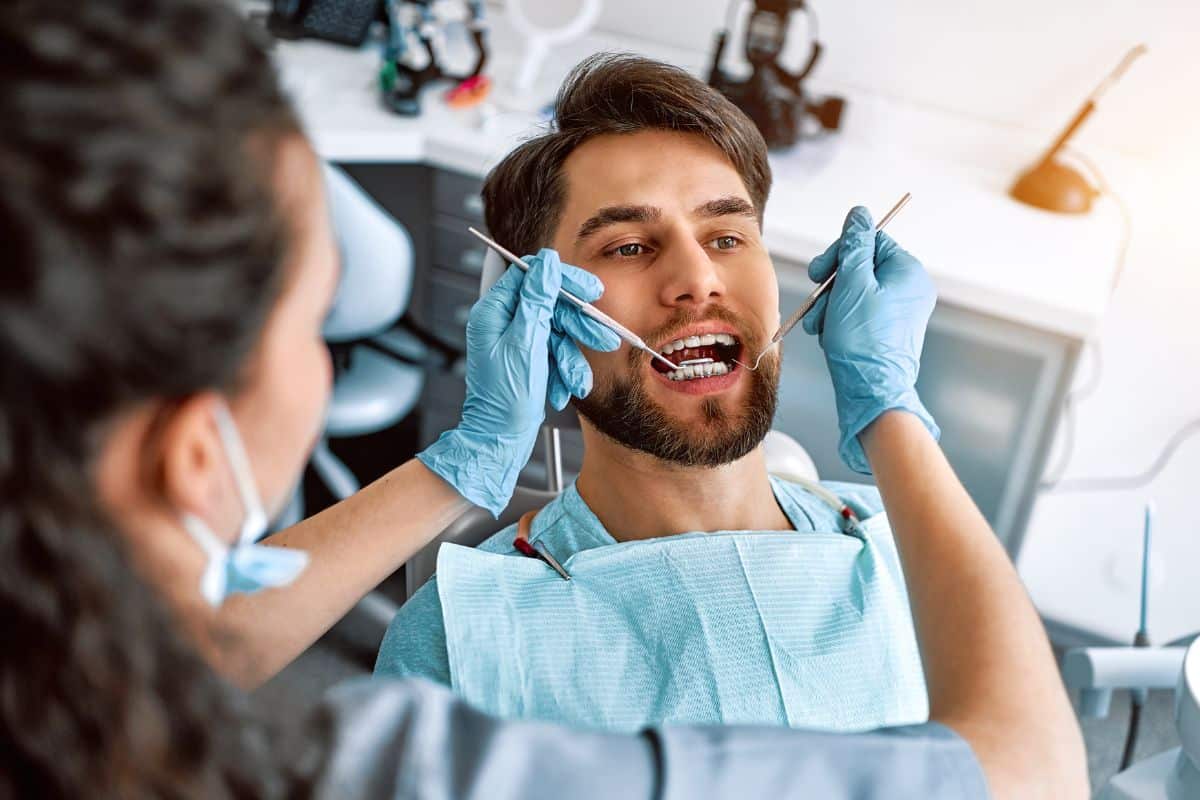
- An examination of your teeth and gums.
- Digital X-rays when appropriate.
- An evaluation of existing fillings, crowns, or other dental work.
- An assessment of tooth wear and bite function.
- A discussion about possible treatment needs.
The goal is to create an accurate picture of your current oral health. You may need very little treatment, or the examination may identify concerns that developed gradually during the time away from dental care.
Personalized Restorative Care in Newport Beach
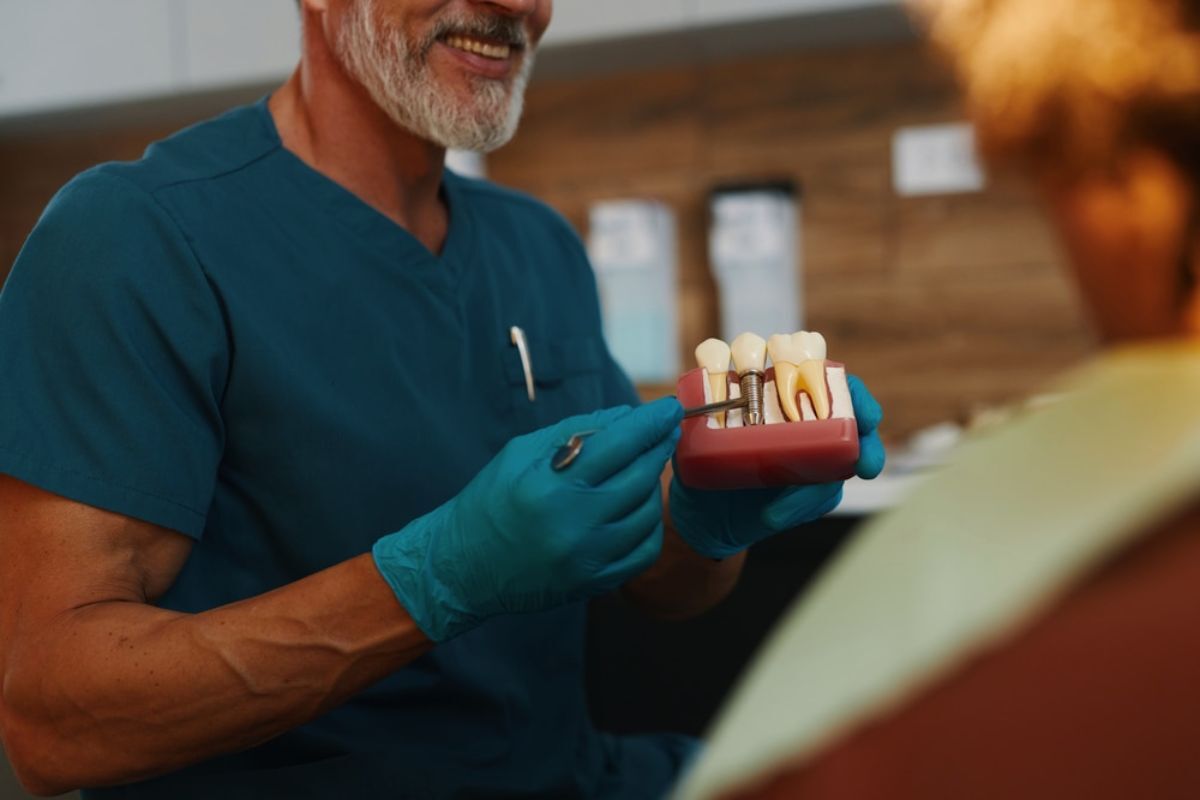
For patients considering restorative dentistry for patients returning after years away from routine appointments, having a personalized plan can make the process feel much more manageable. If you are looking for Newport Beach restorative dentistry, Dr. James Skahen and Dr. Mi Young Kim at Watson, Niven, Skahen – Comprehensive, Restorative, & Esthetic Dentistry can evaluate your current oral health and discuss treatment options based on your individual needs.
Returning after a long gap does not automatically mean that every tooth needs treatment. Some patients may only need preventive care or a simple restoration. Others may need treatment for damaged teeth, older dental work, or missing teeth.
The practice welcomes new and returning patients and focuses on personalized care plans that consider each patient’s dental goals and current oral health.
Understanding Restorative Dentistry
Restorative dentistry focuses on repairing or replacing teeth that have been affected by decay, damage, wear, or tooth loss.
Treatment may help improve:
- Chewing function.
- Tooth strength.
- Bite stability.
- Daily comfort.
- The appearance of damaged teeth.
- Overall oral function.
The appropriate treatment depends on several factors, including the condition of the tooth, the amount of healthy tooth structure remaining, and your long-term oral health needs.
Treatment Plans Are Not One Size Fits All
Two patients can have similar dental concerns but need different treatment approaches.
For example, one tooth with minor damage may need a filling, while another weakened tooth may need a crown for additional support.
Similarly, replacing a missing tooth requires consideration of the surrounding teeth, gums, bone support, and the patient’s individual goals.
This is why an examination should come before making assumptions about which treatment you may need.
Common Concerns After Years Away From Dental Care
Some patients return to the dentist without experiencing any noticeable symptoms. Others may have concerns that gradually became more difficult to ignore.
Tooth Decay
Decay can progress over time. Early stages may not always cause discomfort, which means some patients may not realize a problem exists.
Depending on the extent of the damage, treatment may involve restoring the affected area and protecting the remaining tooth structure.
Early attention may help prevent a small concern from becoming more complex.
Damaged or Worn Teeth
Teeth experience years of pressure from chewing. In addition, clenching, grinding, injuries, and normal wear can affect tooth structure.
You may notice:
- Chipped edges.
- Flattened chewing surfaces.
- Cracks.
- Increased sensitivity.
- Changes in the way your teeth fit together.
- Discomfort when chewing.
Your dentist can evaluate whether a damaged tooth needs repair or additional protection.
Missing Teeth
Missing teeth can affect more than appearance. Depending on their location, they may also affect chewing and bite function.
Replacement options can vary based on your individual needs. A dentist may discuss different approaches after evaluating your oral health and surrounding teeth.
Older Dental Work
Fillings, crowns, and other dental restorations do not necessarily last forever. Over time, they may experience wear or develop changes around the edges.
If you have not seen a dentist for several years, evaluating older dental work can be an important part of your examination.
Restorative Dentistry for Patients Returning After Years: Taking Treatment One Step at a Time
One of the biggest concerns people have about returning to dental care is the fear that everything will need immediate treatment.
Fortunately, treatment planning can help organize care into manageable stages.
Your Dentist Can Help Prioritize Your Needs
Your treatment plan may consider:
- Current discomfort.
- Signs of infection or inflammation.
- Teeth at risk of further damage.
- Problems affecting chewing.
- Damaged dental work.
- Long-term oral health goals.
This approach can help you understand what requires prompt attention and what may be monitored or addressed later.
A clear plan can make returning to dental care feel less overwhelming.
Restorative Dentistry vs. Cosmetic Dentistry
Some treatments can improve both the function and appearance of a tooth, which can make the difference between restorative and cosmetic care seem unclear.
For example, repairing a damaged tooth may improve its strength while also helping restore its natural shape and appearance.
However, restorative dentistry generally focuses on repairing or replacing teeth to support oral function and health.
Cosmetic care focuses more directly on improving the appearance of a smile.
Your Personal Goals Matter
Some patients want to focus on restoring comfort and chewing ability first. Others may also want to discuss changes in the appearance of their teeth.
Sharing your goals can help your dentist recommend options that match your priorities.
What If You Feel Embarrassed About Returning?
Many patients feel embarrassed when they have been away from the dentist for a long time.
However, feeling embarrassed should not prevent you from receiving care.
Dental professionals regularly see patients with different levels of dental needs. The purpose of your appointment is to understand your current oral health and help you move forward.
Focus on Your Next Step
You cannot change how long it has been since your last appointment. However, you can decide to take care of your oral health now.
Try to focus on:
- Scheduling an examination.
- Sharing your concerns honestly.
- Understanding your current oral health.
- Reviewing available options.
- Addressing priorities step by step.
You do not need to solve every dental concern during one appointment.
How Dental Anxiety Can Affect Returning Patients
Dental anxiety is one of the reasons many people delay appointments for years.
Some patients worry about discomfort. Others fear hearing that they need treatment or feel nervous because they do not know what will happen during the visit.
Clear communication can make a meaningful difference.
At Watson, Niven, Skahen, patients can discuss their concerns and treatment options with the dental team. The practice emphasizes helping patients understand their care and make informed decisions.
Ask Questions About Your Care
Before agreeing to treatment, consider asking:
- What did you find during the examination?
- Why is this treatment recommended?
- Which concerns should be addressed first?
- What options are available?
- What are the benefits and limitations of each option?
- What may happen if treatment is delayed?
- How should I care for the restored tooth?
Understanding the answers can help you feel more comfortable with your decisions.
When More Than One Treatment May Be Needed
Some patients returning after many years may need more than one type of treatment.
For example, a treatment plan may involve repairing damaged teeth, addressing decay, evaluating older restorations, or replacing missing teeth.
This does not necessarily mean that everything needs to happen at the same time.
A Phased Plan Can Make Care Easier
Depending on your oral health, your dentist may recommend addressing treatment in stages.
The first stage may focus on concerns that affect your immediate comfort or oral health. Later appointments may address longer-term restorative needs.
A phased approach can help make a larger treatment plan feel more manageable.
How Daily Habits Support Restored Teeth
Dental treatment is only one part of maintaining your smile. Daily habits remain important after receiving restorative care.
You can help support your oral health by:
- Brushing twice each day.
- Cleaning between your teeth regularly.
- Drinking water throughout the day.
- Limiting frequent exposure to sugary foods and drinks.
- Avoiding chewing ice or other hard objects.
- Wearing appropriate protection during activities with a risk of dental injury.
- Attending recommended dental visits.
These habits can help protect both natural teeth and dental restorations.
Why Regular Dental Visits Matter After Treatment
After you return to dental care, regular appointments can help your dentist monitor your teeth, gums, and existing dental work.
Routine visits may help identify:
- Changes around restorations.
- Signs of tooth wear.
- Early decay.
- Gum inflammation.
- Changes in bite function.
- Other developing oral health concerns.
The practice’s preventive and comprehensive approach focuses on identifying concerns and helping patients maintain long-term oral health through personalized care and regular monitoring.
Small Problems Are Often Easier to Address Earlier
Not every dental concern can be prevented. However, identifying changes earlier may give your dentist more options for protecting healthy tooth structure.
Regular visits also provide an opportunity to ask questions before a concern becomes more noticeable.
Your Treatment Plan Can Change Over Time
Your oral health needs today may not be the same several years from now.
A personalized dental plan can change as your needs change. Regular communication with your dental team can help ensure that recommendations continue to reflect your current situation.
Final Thoughts on Returning to the Dentist After Years Away
Taking the first step back into dental care can feel intimidating, but you do not need to feel ashamed or overwhelmed. An examination can provide a clear understanding of your current oral health and help you identify what deserves attention.
Restorative dentistry for patients returning after years away from the dentist can involve anything from simple repairs to a more comprehensive treatment plan. The right approach depends on your individual needs, not on how long you have been away.
If you are ready to discuss your options and take the next step toward restoring your smile, schedule your appointment with Dr. James Skahen or Dr. Mi Young Kim at Watson, Niven, Skahen – Comprehensive, Restorative, & Esthetic Dentistry, 2001 Westcliff Dr., Suite 202, Newport Beach, CA 92660.