By Watson, Niven, Skahen | February 13, 2026
Your dentist plays a key role in protecting your smile, but many adults still wonder how often they should schedule an appointment. Is twice a year enough? Should you go more often if you have dental issues? At Watson, Niven, Skahen – Comprehensive, Restorative, & Esthetic Dentistry in Newport Beach, we often hear these questions from patients who want to stay proactive about their oral health.
The truth is simple: there is no one-size-fits-all answer. However, there are clear guidelines that can help you decide what works best for you. In this complete guide, we’ll break it down in easy-to-understand terms so you can make confident decisions about your care.
Why Regular Dental Visits Matter
Many adults only book an appointment when they feel pain. However, oral problems often develop silently. By the time discomfort appears, the issue may already be advanced.
Regular checkups help you:
- Catch cavities early
- Prevent gum disease
- Detect oral infections
- Identify the signs of oral cancer
- Maintain fresh breath and a bright smile
In addition, routine visits protect your overall health. Research continues to show links between gum disease and heart conditions, diabetes, and inflammation throughout the body. Therefore, preventive care saves both time and money in the long run.
The Standard Recommendation for Most Adults
For most healthy adults, visiting a dentist every six months works well. This schedule allows your provider to:
- Remove plaque and tartar buildup
- Check for early decay
- Monitor gum health
- Review changes in your bite or jaw
Although six months is common, it is not a strict rule for everyone. Some people may need more frequent visits, while others with excellent oral health may safely extend appointments slightly based on professional advice.
When You Should Visit More Often
Some adults benefit from checkups every three to four months. You may need more frequent care if you:
- Smoking or using tobacco
- Have diabetes
- Experience frequent cavities
- Have gum disease
- Have a weakened immune system
- Wearing braces or other oral appliances
Right after discussing these risk factors, it becomes clear why personalized care matters. The experienced dentists at Watson, Niven, Skahen – Comprehensive, Restorative, & Esthetic Dentistry can evaluate your oral health history and recommend a schedule tailored specifically to you.
Signs You Should Schedule an Appointment Sooner
Even if your next checkup is months away, certain symptoms mean you shouldn’t wait. Your mouth often gives early warning signs when something is wrong.
Common Warning Signs
- Persistent tooth pain
- Bleeding gums
- Swelling in the jaw
- Loose teeth
- Sensitivity to hot or cold
- Chronic bad breath
If you notice any of these symptoms, do not delay care. Early treatment usually prevents bigger procedures later. For example, a small cavity can often be treated quickly, while a deep infection may require more advanced restorative work.
How Professional Cleanings Protect Your Smile
Brushing and flossing daily form the foundation of good oral hygiene. However, even the most careful routine cannot remove hardened tartar at home.
During a professional cleaning, your dental team will:
- Remove plaque buildup
- Eliminate tartar from hard-to-reach areas
- Polish teeth to reduce staining
- Examine your gums for inflammation
Because bacteria constantly form in your mouth, regular cleanings reduce your risk of decay and gum problems. As a result, consistent preventive care helps maintain long-term stability.
What Happens During a Routine Visit?
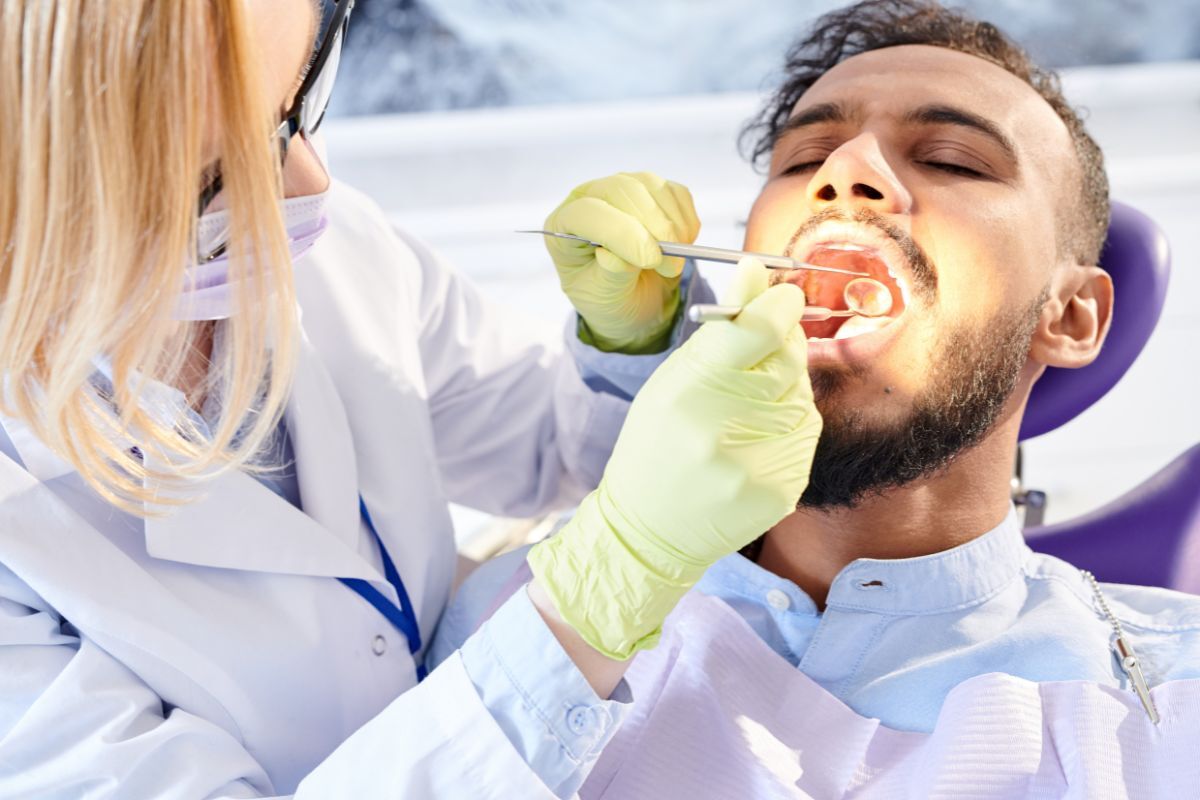
If you feel nervous about scheduling an appointment, understanding the process can ease anxiety.
A typical visit includes:
- A detailed oral exam
- Digital X-rays when needed
- Gum health evaluation
- Oral cancer screening
- Professional cleaning
The goal is prevention. Your provider checks for small changes before they become major concerns. Furthermore, modern technology makes appointments more comfortable and efficient than ever before.
How Age and Lifestyle Affect Visit Frequency
As adults age, oral health needs may change. For example:
In Your 20s and 30s
You may focus on cavity prevention and cosmetic maintenance.
In Your 40s and 50s
Gum health is becoming increasingly important, and restorative treatments may be more common.
In Your 60s and Beyond
Dry mouth, medication side effects, and bone health can influence care needs.
Lifestyle also plays a role. Diet, stress, smoking, and medical conditions all impact your oral health. Therefore, your provider may adjust your care schedule based on these factors.
The Cost of Skipping Regular Visits
It may seem easier to delay care, especially if you feel fine. However, postponing checkups often leads to:
- Larger cavities
- Root canal treatments
- Tooth loss
- Expensive restorative procedures
Preventive care costs far less than corrective treatment. Moreover, keeping natural teeth healthy supports confidence and comfort in daily life.
How to Know Your Ideal Schedule
The best way to determine how often you should see a dentist is through an individualized evaluation. Your provider will consider:
- Your oral health history
- Current gum condition
- Risk factors
- Past restorative work
- Medical background
Based on this information, a personalized care plan can be created. Some patients stay on a six-month schedule, while others may visit more frequently for periodontal maintenance.
Tips to Maintain Oral Health Between Visits
While regular appointments matter, daily habits make a significant difference.
Daily Care Checklist
- Brush twice a day with fluoride toothpaste
- Floss once daily
- Limit sugary snacks and drinks
- Drink plenty of water
- Replace your toothbrush every three months
In addition, wearing a nightguard for grinding or a mouthguard for sports can protect your teeth from damage.
Final Thoughts: Protect Your Smile with Preventive Care
So, how often should you see a dentist? For most adults, twice a year is a strong starting point. However, your unique needs may require a different schedule. Regular checkups help detect problems early, reduce long-term costs, and protect your overall health.
If you are ready to stay proactive about your oral health, visit our dental office to learn more or schedule your next preventive care appointment at Watson, Niven, Skahen – Comprehensive, Restorative, & Esthetic Dentistry in Newport Beach. Taking this simple step today can protect your smile for years to come.