By Watson, Niven, Skahen | January 2, 2026
If you’ve ever wondered how Invisalign moves teeth without metal brackets or wires, you’re not alone. Many patients are curious—and even a little skeptical—about how clear aligners can gently shift teeth into place. The good news is that the process follows clear dental science, precise planning, and controlled pressure. In this guide, a dentist explains exactly how it works, step by step, in simple terms that are easy to understand.
Introduction: The Science Behind Clear Aligners
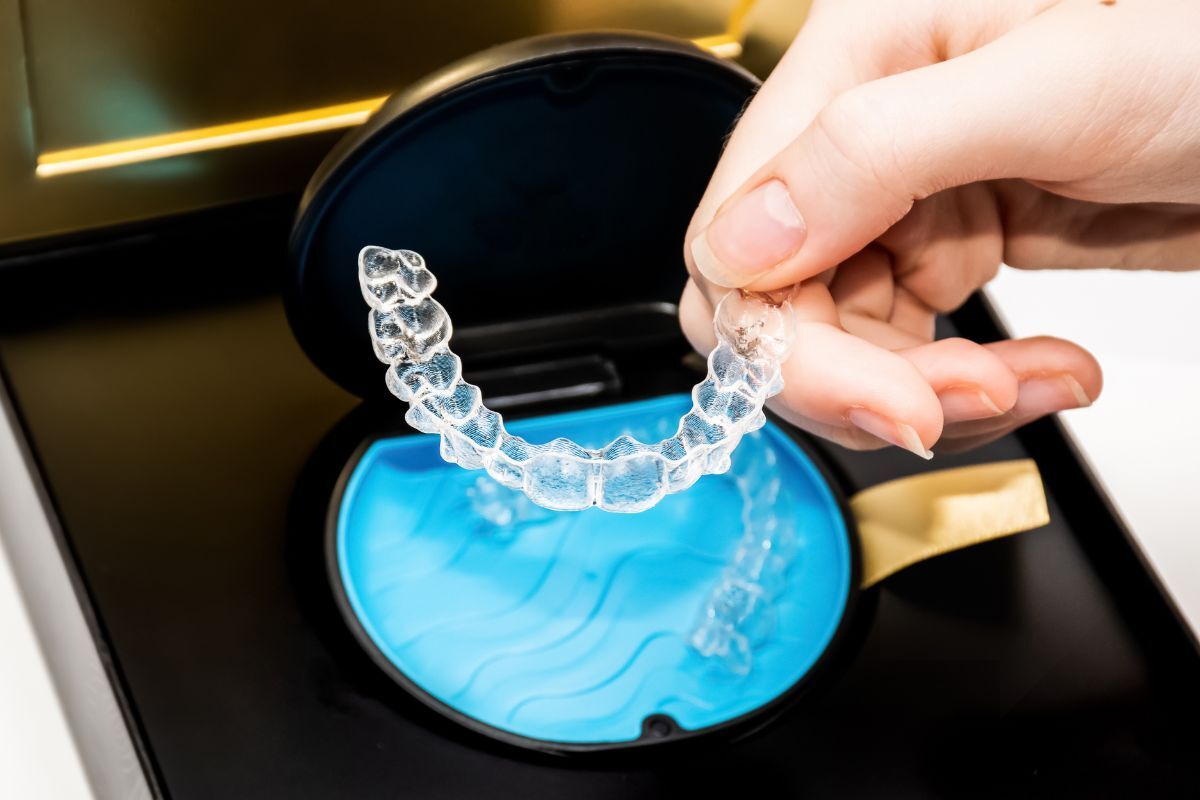
A straight smile doesn’t happen by chance. Teeth move because of carefully applied force over time. Invisalign uses this same biological process as traditional braces, but in a more discreet and comfortable way. Instead of tightening wires, the system relies on a series of custom-made aligners that guide teeth into better positions.
In the sections below, you’ll learn how aligners are designed, how pressure moves teeth safely, and what makes this treatment effective for many teens and adults.
Understanding Tooth Movement: The Basics
Before diving into aligners, it helps to know how teeth move inside the jaw.
- Teeth sit in bone, supported by ligaments
- When steady pressure is applied, the bone reshapes itself
- Bone breaks down on one side and rebuilds on the other
As a result, teeth shift gradually. Dentists carefully control this movement to avoid damage and discomfort. Invisalign takes advantage of this natural response in a precise and predictable way.
How Invisalign Is Designed to Move Teeth
Invisalign works through planning, customization, and progression. Each step builds on the previous one.
Digital Scanning and Treatment Planning
First, your dentist scans your teeth using advanced 3D imaging. This scan replaces messy impressions and captures every detail of your bite.
Then, specialized software maps out:
- Where your teeth are now
- Where they need to be
- How each tooth should move at each stage
Because of this digital roadmap, the dentist knows exactly how Invisalign moves teeth from start to finish.
The Role of Custom Aligners in Tooth Movement
Each Invisalign aligner is slightly different from the last. That difference matters.
- Aligners apply controlled pressure
- Pressure targets specific teeth
- Movement happens in small, safe steps
You usually wear each aligner for one to two weeks. After that, you switch to the next set. Over time, these changes add up to noticeable alignment improvements.
Only after this stage of planning, many patients choose Invisalign treatment in Newport Beach because it combines advanced technology with personalized dental care close to home.
Why Pressure Matters More Than Force
Some people think teeth move faster with more force. However, that isn’t true.
Dentists aim for:
- Gentle pressure, not aggressive force
- Continuous wear, about 20–22 hours a day
- Consistent progress without stressing teeth
This approach protects the roots and gums while allowing the bone to adapt naturally. Invisalign aligners excel at delivering this type of steady pressure.
Attachments: Small Tools That Make a Big Difference
In some cases, your dentist places tiny, tooth-colored attachments on certain teeth. These attachments help the aligners grip better.
Invisalign allows them to:
- Rotate the teeth
- Move teeth vertically
- Correct complex alignment issues
Although attachments may look noticeable at first, most people adjust quickly. More importantly, they make treatment more effective and predictable.
How Long Does Invisalign Take to Move Teeth?
Treatment time depends on your specific needs. Mild crowding may take a few months, while complex cases may take over a year.
Several factors influence timing:
- Severity of misalignment
- How often you wear aligners
- Whether refinements are needed
When worn as directed, Invisalign often delivers results efficiently and comfortably.
Common Myths About Invisalign Tooth Movement
Let’s clear up a few misunderstandings.
- Myth: Aligners only work for minor issues
- Truth: Invisalign can handle many moderate to complex cases
- Myth: Teeth move instantly
- Truth: Movement takes time and patience
- Myth: You can wear aligners part-time
- Truth: Consistent wear is essential for success
Understanding these points helps set realistic expectations.
How Invisalign Feels During Treatment
Most patients feel mild pressure when switching to a new aligner. That sensation means the aligner is working.
You may notice:
- Slight tightness for a day or two
- Minimal soreness compared to braces
- Improved comfort as teeth adjust
Pain rarely lasts long, and many people find aligners easier to manage than traditional orthodontic options.
Why Dentist Supervision Is Essential
Although Invisalign looks simple, professional guidance matters. The dentist monitors progress, adjusts the plan if needed, and ensures safe movement.
Without proper supervision:
- Teeth may shift incorrectly
- Bite issues can develop
- Results may fall short
That’s why choosing an experienced dental team makes a real difference in outcomes.
A Smarter Way to Straighten Your Smile
Invisalign uses advanced planning, gentle pressure, and customized aligners to guide teeth into healthier positions. When you understand how Invisalign moves teeth, the process feels far less mysterious and far more reassuring. Each aligner plays a role, each stage builds on progress, and each adjustment supports long-term oral health.
If you’re thinking about clear aligners, now is a great time to take the next step. We invite you to visit our dental office at Watson, Niven, Skahen – Comprehensive, Restorative, & Esthetic Dentistry to explore whether Invisalign fits your smile goals. Our team offers personalized care and expert guidance every step of the way. Schedule your Invisalign appointment today and move closer to the confident smile you deserve.