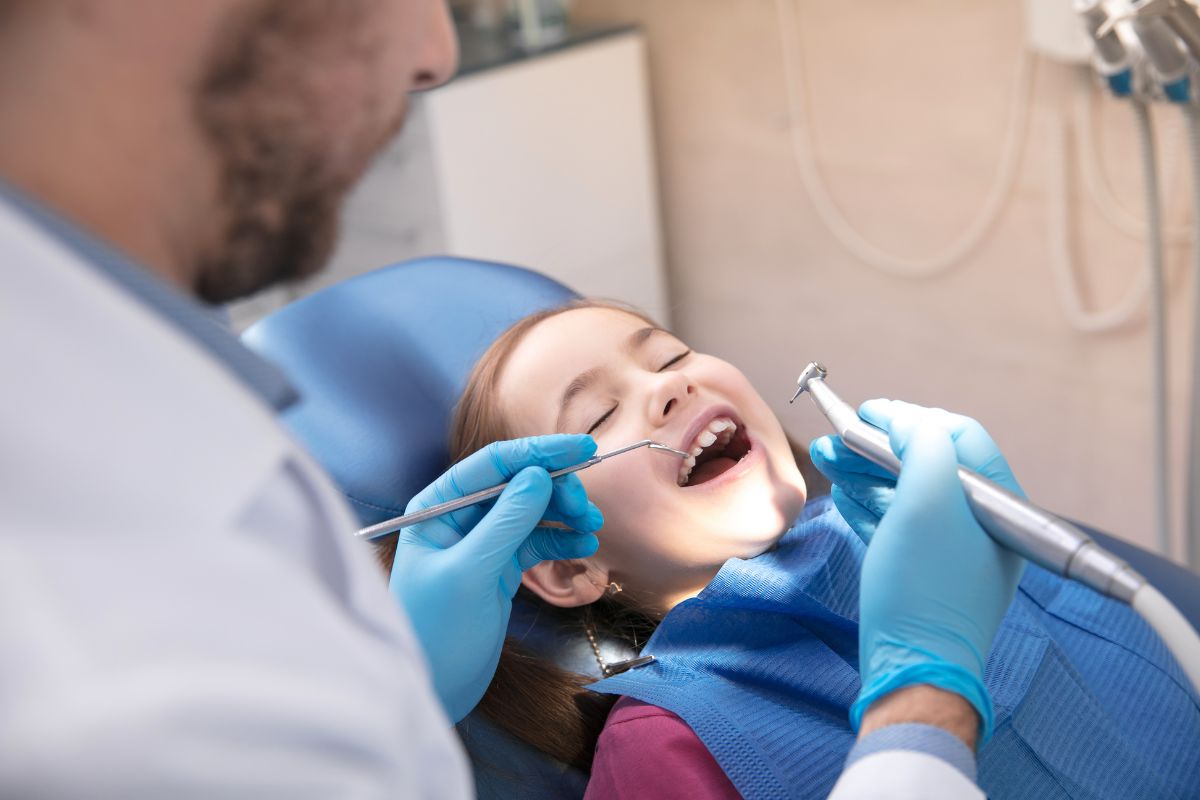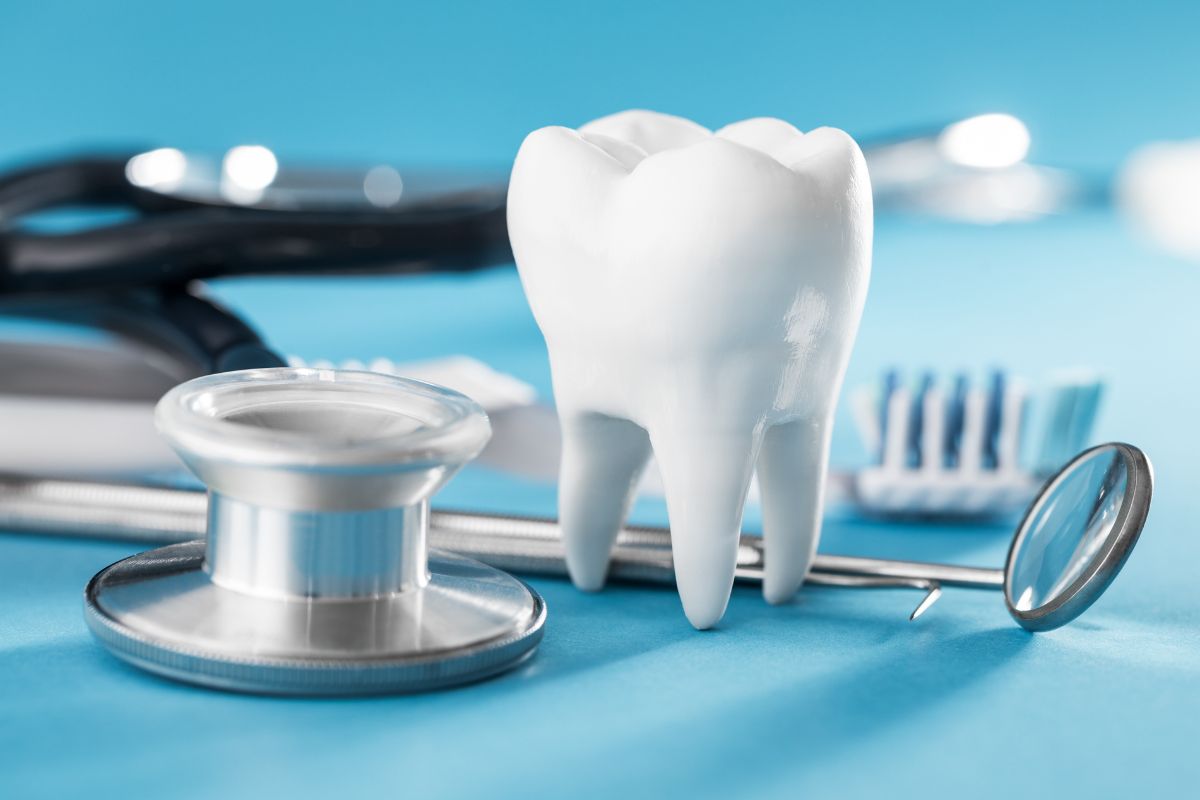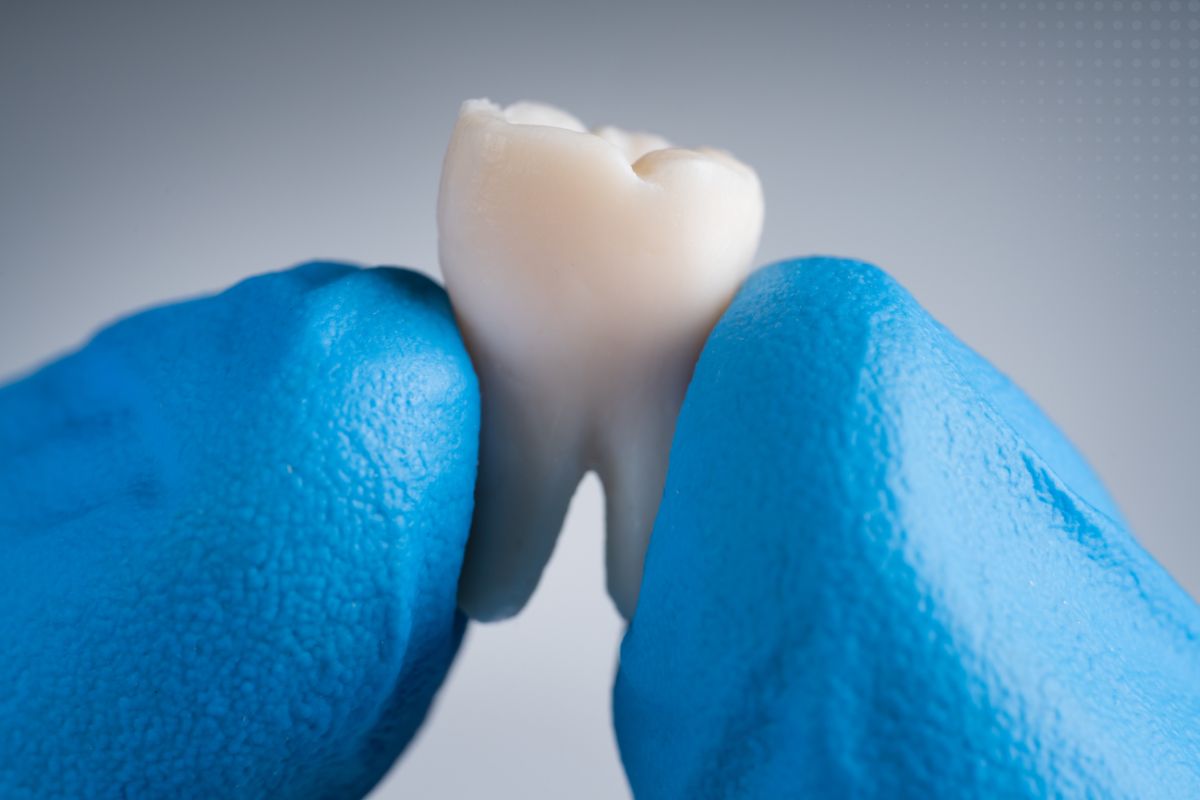
Tooth enamel is the hardest substance in the human body, even stronger than bone. However, despite its incredible resilience, it isn’t invincible. Enamel is the thin, translucent outer layer that protects your teeth from the daily wear and tear of chewing, biting, and grinding, as well as from extreme temperatures and chemicals. Once this protective barrier begins to wear away, a process known as enamel erosion, it cannot be naturally regenerated by the body.
As enamel doesn’t contain living cells, your teeth cannot “heal” themselves once the damage is done. A quick sip of citrus juice after a morning walk, a coffee break near the coast, or a glass of wine at dinner, these everyday habits feel harmless. Yet over time, they can quietly affect your teeth. Enamel erosion does not happen overnight. It develops gradually, often without pain, until visible damage appears. Understanding the subtle, early warning signs is essential for preserving your smile’s structural integrity and long-term health.
At Watson, Niven, Skahen – Comprehensive, Restorative, & Esthetic Dentistry, we believe that proactive education is the cornerstone of preventive care. Our lead practitioner, Dr. Scott Niven, leverages decades of clinical expertise to help patients identify these microscopic changes before they escalate into painful or costly dental issues. If you have noticed changes in the appearance or sensation of your teeth, schedule a consultation with us today to ensure your oral health remains on the right track.
Understanding Enamel Erosion in Our Coastal Community
Tooth enamel is the hardest substance in the human body, acting as a protective shell for the sensitive dentin underneath. Despite its strength, it isn’t invincible. In an active, health-conscious area like ours, many residents consume high-performance sports drinks, kombucha, or sparkling waters while spending time at the Newport Beach Country Club or out on the water. These acidic beverages can slowly dissolve the mineral content of your teeth.
As Because enamel does not contain living cells, your body cannot regrow it once it’s gone. This is why seeing a dentist for regular checkups is vital; early intervention can stop erosion before it necessitates complex restorative work. Detecting the early signs of enamel erosion allows us to implement preventive strategies, such as fluoride treatments or lifestyle adjustments, tailored to your specific routine in the surrounding areas.
Warning Signs You Should Not Ignore
Spotting enamel erosion early means paying attention to subtle shifts in your mouth. Here are the most common indicators our patients notice first.
- Increased Tooth Sensitivity: A sudden twinge when enjoying an ice-cold shave ice from a pier vendor or hot coffee signals enamel thinning. Exposed dentin reacts to temperature extremes, a hallmark of early erosion.
- Discoloration or Yellowing: Teeth appear yellower as enamel wears thin, revealing the underlying dentin. If your pearly whites from those fresh seafood lunches seem off-color, erosion might be underway.
- Rounded or Smooth Tooth Surfaces: Edges of front teeth soften and round off, losing their sharp, defined shape. Check your reflection after brushing; unnaturally smooth surfaces are a red flag.
- Transparency at Tooth Edges: The tips of your front teeth may appear see-through, like glass. This translucency happens as enamel minerals dissolve unevenly.
- Chalky White Spots: Patches on teeth that feel rough or chalk-like indicate demineralization. These spots often precede cavities if ignored.
These signs often develop gradually, blending into daily life. But ignoring them invites cracks, decay, and the need for restoration.
Why These Signs Are Often Missed
Enamel erosion progresses slowly. That is why many patients do not recognize it until it becomes advanced.
Several factors contribute to this:
- No immediate pain
- Gradual visual changes
- Common lifestyle habits mask the cause
In a place known for outdoor dining, fresh produce, and active routines, it is easy to attribute sensitivity or color changes to temporary factors rather than underlying erosion.
The Role of Local Diet and Lifestyle
Our environment influences our oral health more than we realize. Newport Beach is home to incredible fine dining and a culture that values fresh, vibrant flavors. However, many local favorites are high in acidity.
- Citrus and Vinegars: While refreshing, the citrus-heavy dressings and ceviches found in our coastal eateries can temporarily soften enamel.
- The “Wine Down”: A glass of crisp white wine while watching the boats in the harbor is a local pastime, but the high acidity in wine can contribute to erosion if not balanced with water.
- Chlorine Exposure: Frequent swimmers in private pools or local fitness clubs should be aware that improperly balanced pool pH can actually contribute to enamel wear over long periods of time.
To maintain a healthy smile while enjoying our local delicacies, it is often recommended to rinse your mouth with water immediately after consuming acidic items. This helps neutralize the environment and encourages remineralization through saliva. Consulting a dentist for a personalized risk assessment can help you enjoy the best of our city without sacrificing your enamel.
Steps to Take If You Notice These Signs
- Don’t wait; early intervention halts progression. Start by tracking symptoms in a journal, noting triggers like that post-yoga kombucha run.
- Book a professional evaluation promptly. Simple in-office applications can remineralize enamel, while custom nightguards prevent grinding damage. At-home, focus on pH-neutral habits: alkaline water rinses neutralize acids effectively.
- Long-term, maintain six-month check-ups. This routine catches issues before they escalate, preserving natural teeth amid our enamel-testing lifestyle.
Protecting your enamel ensures you can keep enjoying those spontaneous stops at heirloom tomato stands or fresh oyster happy hours without worry. With vigilant habits and expert guidance, your smile stays as resilient as our coastline.
What You Can Do to Prevent Enamel Erosion
If you notice any of these signs, small changes can make a significant difference.
- Rinse your mouth with water after acidic foods
- Wait 30 minutes before brushing
- Use a soft-bristle toothbrush
- Choose fluoride toothpaste
- Stay hydrated throughout the day
These steps help slow the progression while you seek professional evaluation.
Take Action Today to Protect Your Smile
The beautiful coastal lifestyle offers countless culinary and recreational pleasures, but it also creates unique challenges for maintaining optimal dental health. By being mindful of acid exposure, adjusting your habits, and seeking professional guidance when needed, you can enjoy your favorite foods and activities while preserving your natural teeth.
Don’t wait until erosion becomes severe and requires extensive restorative work. Schedule a consultation with Watson, Niven, Skahen – Comprehensive, Restorative, & Esthetic Dentistry today to have your teeth professionally evaluated. Book your appointment and take the first step toward protecting your enamel.
Frequently Asked Questions
Can tooth enamel grow back once it has started to erode?
No, tooth enamel cannot naturally regrow because it does not contain living cells. Once it is gone, it is gone forever, making early professional intervention and preventive care absolutely essential.
Does charcoal toothpaste help or hurt thinning enamel?
Charcoal toothpaste is often too abrasive for teeth with thinning enamel and can actually accelerate erosion. It is better to use fluoride-based, low-abrasive pastes that strengthen the existing mineral structure.
How does professional fluoride treatment help with early erosion?
Professional fluoride treatments apply a concentrated mineral film that bonds to your teeth. This process, called remineralization, hardens the remaining enamel and makes it significantly more resistant to future acid attacks.
Is sparkling water as bad for my teeth as soda?
While better than sugary soda, sparkling water is still acidic due to carbonation. Frequent sipping throughout the day can lower oral pH levels, so it is best enjoyed during mealtimes.
Can teeth grinding at night cause enamel loss?
Yes, chronic grinding (bruxism) creates physical friction that wears down enamel much faster than normal. A custom-made night guard is often recommended to protect your teeth from this mechanical damage.
Are there specific foods that help strengthen tooth enamel?
Foods high in calcium and phosphorus, like cheese, milk, and almonds, help redeposit minerals into your teeth. Crunchy vegetables also stimulate saliva flow, which acts as the mouth’s natural acid neutralizer.
What is the difference between tooth decay and enamel erosion?
Decay is caused by bacteria producing acid from sugar, whereas erosion is the direct chemical dissolution of enamel by acidic food or drinks. Both require professional treatment to prevent tooth loss.