Can you feel a gap between your teeth? Does that make you uncomfortable and underconfident? The very thought that comes to mind is whether it is a new oral issue or if it has been there but overlooked. Once spotted, the constant feeling of gaps lingering in the mouth becomes bothersome. It feels odd, and persistence makes it a little serious. It changes how you eat, speak, and feel about your smile. Understanding the reasons is the first step towards treatment. There is more to it. Continue reading to learn how they can be amended.
What Are Gapped Teeth?
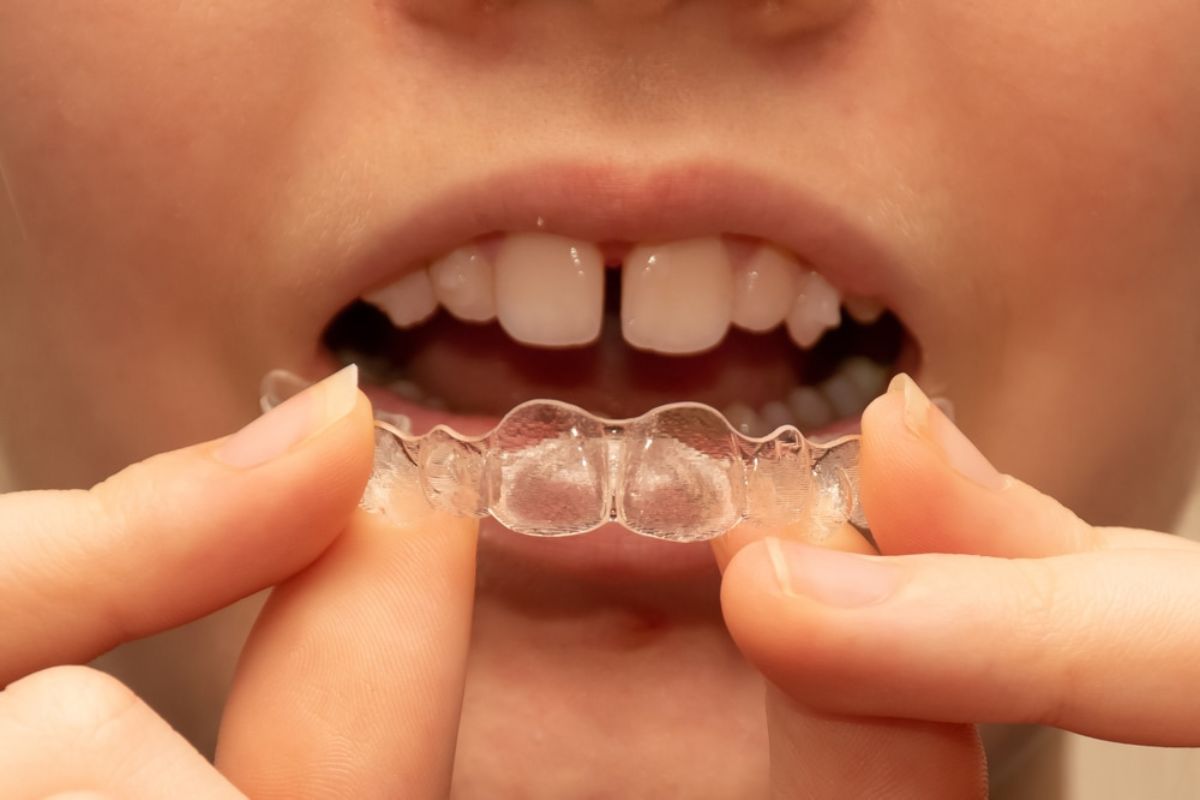
Gapped teeth, or diastema, are visible gaps or spaces between two or more teeth. They usually occur in the middle of the two front teeth above the jawline but can also happen in other areas. The size varies from person to person, but our professional Newport Beach dentist at Watson, Niven, Skahen – Comprehensive, Restorative, & Esthetic Dentistry can help address these gaps with personalized treatment options.
But its presence can begin in childhood or emerge later as you enter adulthood. While for some it is purely cosmetic, for others it signifies an underlying dental or other medical condition.
If you have gaps in your teeth, it is essential to know why.
Although they are usually harmless, they can cause discomfort or impact your self-esteem. Nonetheless, modern dentistry has treatments that can close these spaces.
What Causes Gaps Between Teeth?
Let us acknowledge the root causes. Sometimes, it happens naturally, while others may result from external factors.
Genetics
Some people are simply born with wider spaces between their teeth, especially in the upper front area. It is not unusual for this to run in families. If you have noticed these among your relatives, it is probably genetic.
Tooth Size and Jaw Structure
Gaps can form when teeth are too small for the jaw. Simply put, if the jaw is larger than the teeth, it leaves extra space between them.
Teeth Movement
Your pearly whites tend to shift with time. This is particularly noticeable for people wearing braces or retainers. You will notice small gap formation when teeth do not adjust to their adequate places.
Gum Disease
If you suffer from gum infection, teeth become loose, producing gaps. Plus, gum disease is a significant cause of shifting teeth.
Tooth Loss
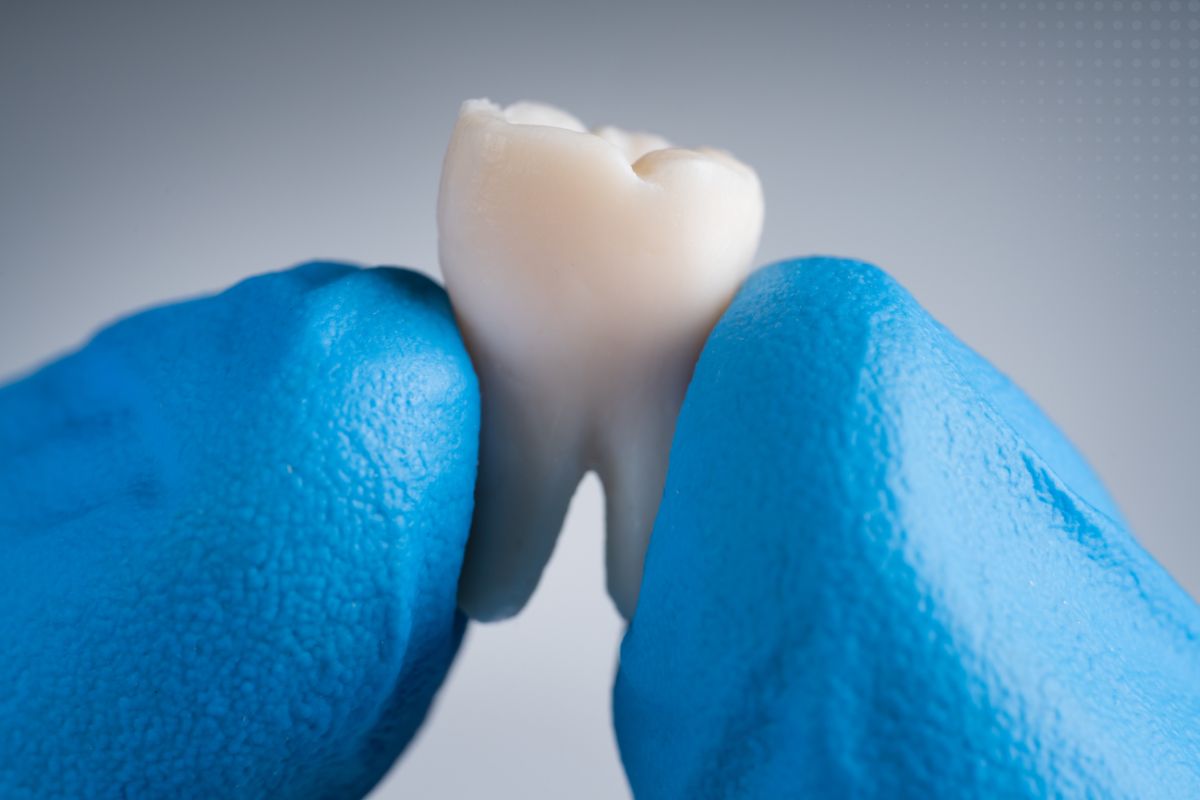
The loss of a tooth, whether from decay, trauma, or another cause, results in a noticeable gap. You will see the change with the passing days. Eventually, the surrounding teeth slowly shift towards the empty space, causing misalignment.
Understanding The Effects Of Diastema
Most individuals worry about their aesthetics. However, other complications hold greater importance with respect to oral health. Space can sometimes irritate, particularly if food gets trapped in the void. This leads to swelling or irritation of the gums.
Crooked teeth can also impact your bite, and you may end up chewing in weird manners. This can cause further dental problems, such as jaw discomfort, headaches, and tooth wear.
Solutions To Closing Gaps Between Teeth
Depending on their size and cause, there are several different approaches to closing gaps. Here are some possible dental procedures for improved oral health.
- Braces or Clear Aligners: They push teeth into more optimal positions.
- Veneers: They can close small gaps, glide with your natural teeth, and enhance the smile. Many patients also enjoy the added benefits of veneers, such as improved aesthetics and durability.
- Dental Bonding: A tooth-colored resin is used to fill gaps, usually in one appointment.
- Implants or Bridges: These are also the best and long-term solution for closing the gap created by missing teeth and make you feel confident.
Is There a Quick Fix?
The options are limited!
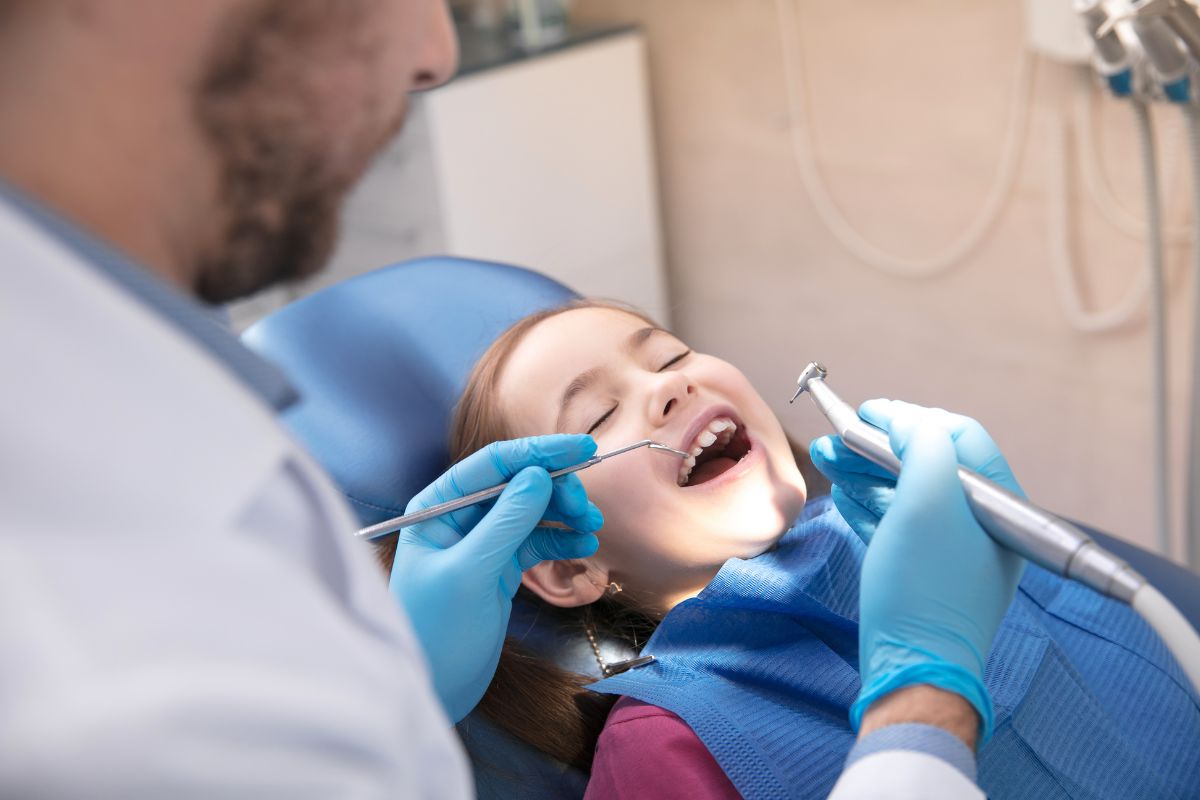
A PMC Report states, “Diastema, or gaps between teeth, affects many children and adolescents. Around 98% of six-year-olds show signs of diastema, with the prevalence dropping to 49% by age 11. Among 12- to 18-year-olds, the condition affects about 7%. In adult populations, diastema occurs in 1.6% to 25.4% of individuals, depending on how the condition is measured. Younger groups tend to have higher rates of diastema compared to adults. (Source )”
Cosmetic procedures like bonding or veneers might provide quick results, but braces or aligners are necessary for permanent changes. While these approaches take longer, they address the root cause of misalignment and ensure durable and prolonged results.
Why It Is Worth Addressing Diastema To A Dental Professional
Dental spacing is common, but leaving it untreated can lead to severe conditions. If you feel a gap between your teeth is causing irritation or self-consciousness, it is time to take action.
Residing in Newport Beach Consult with our dentists at Watson, Niven, Skahen – Comprehensive, Restorative, & Esthetic Dentistry without further delay.
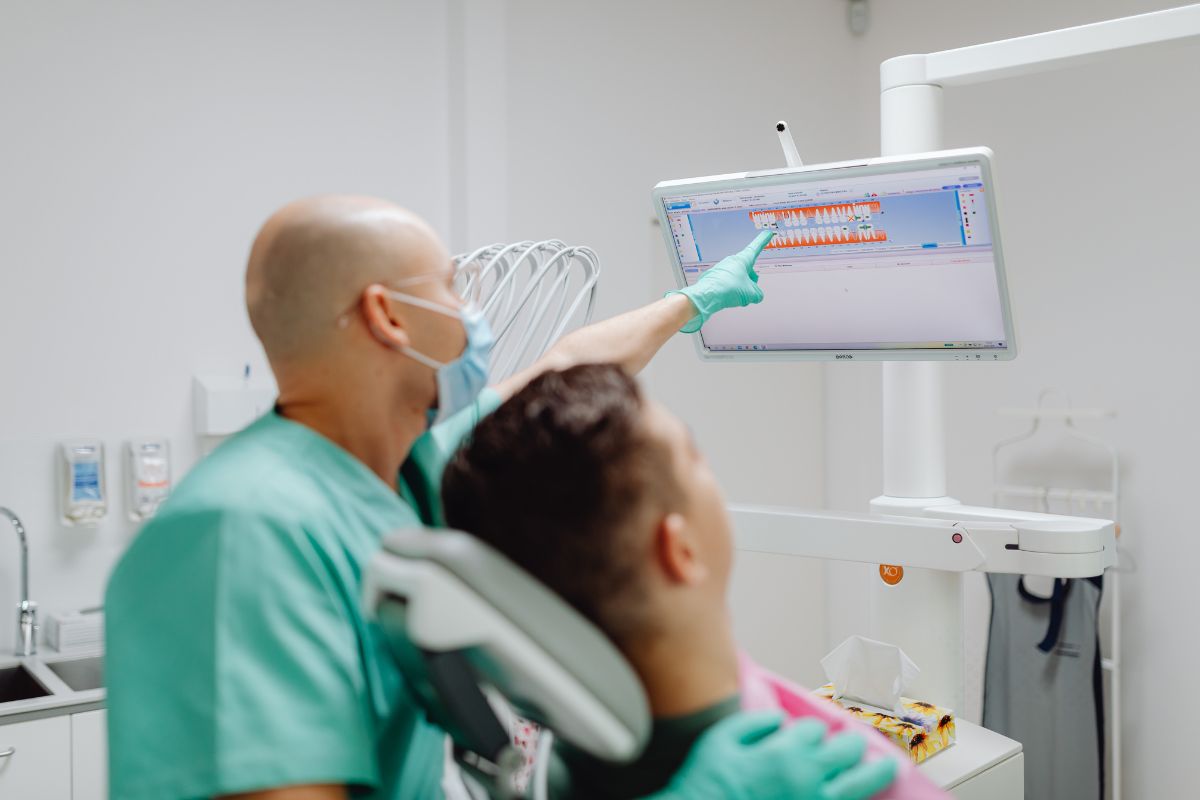
A professional can thoroughly assess your oral health, identify the underlying cause of the gap, and recommend the best treatment for both cosmetic and functional improvements. Schedule an appointment today to find the right solution tailored to your needs.