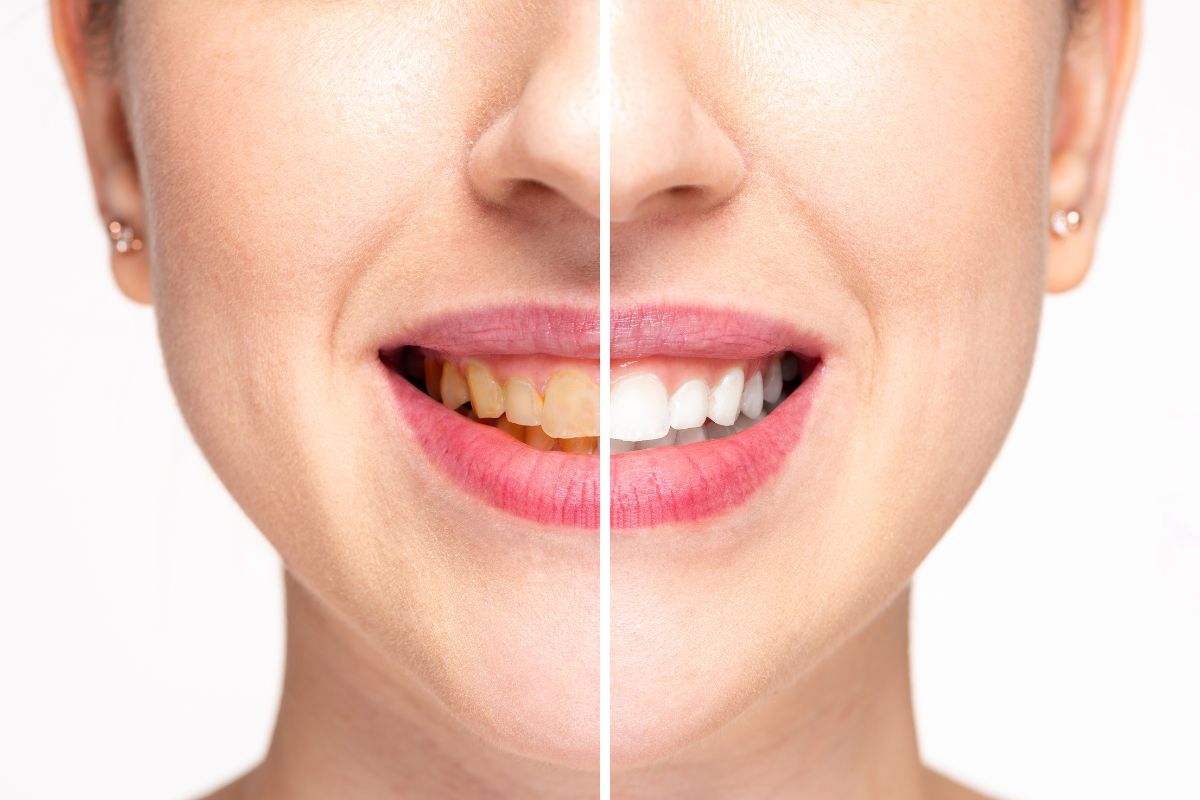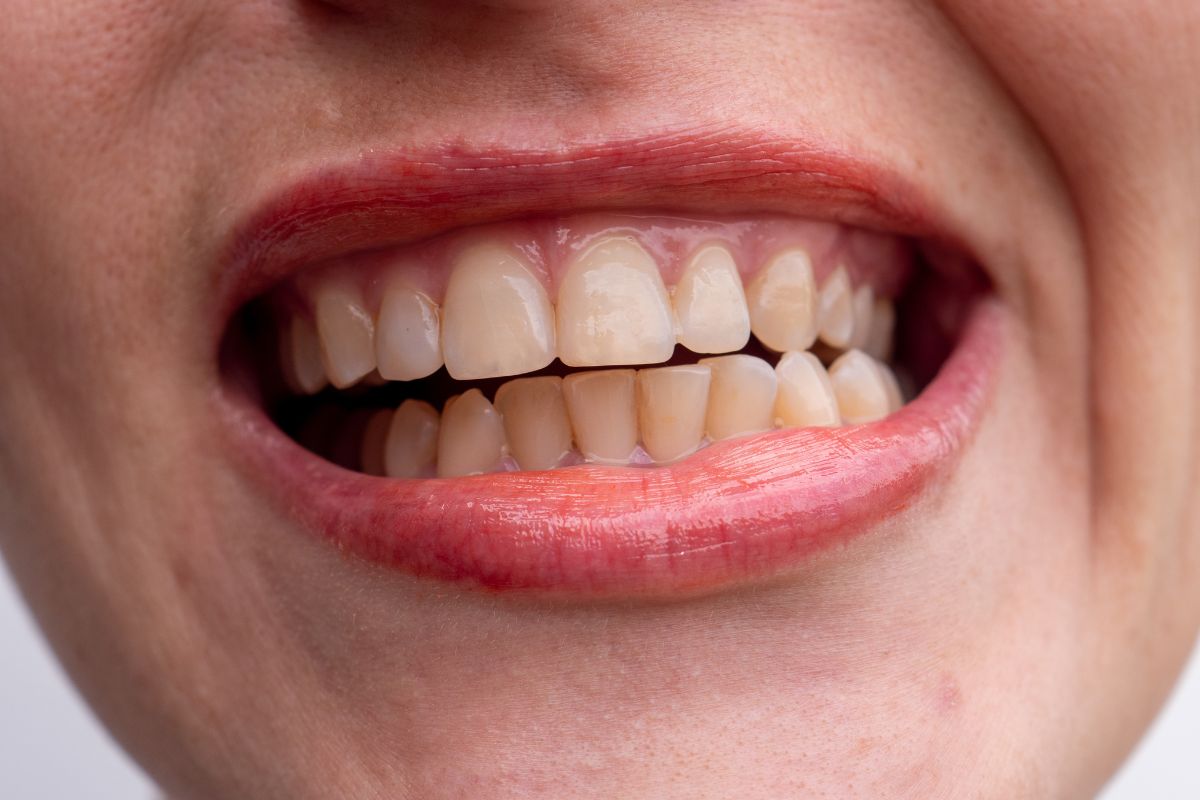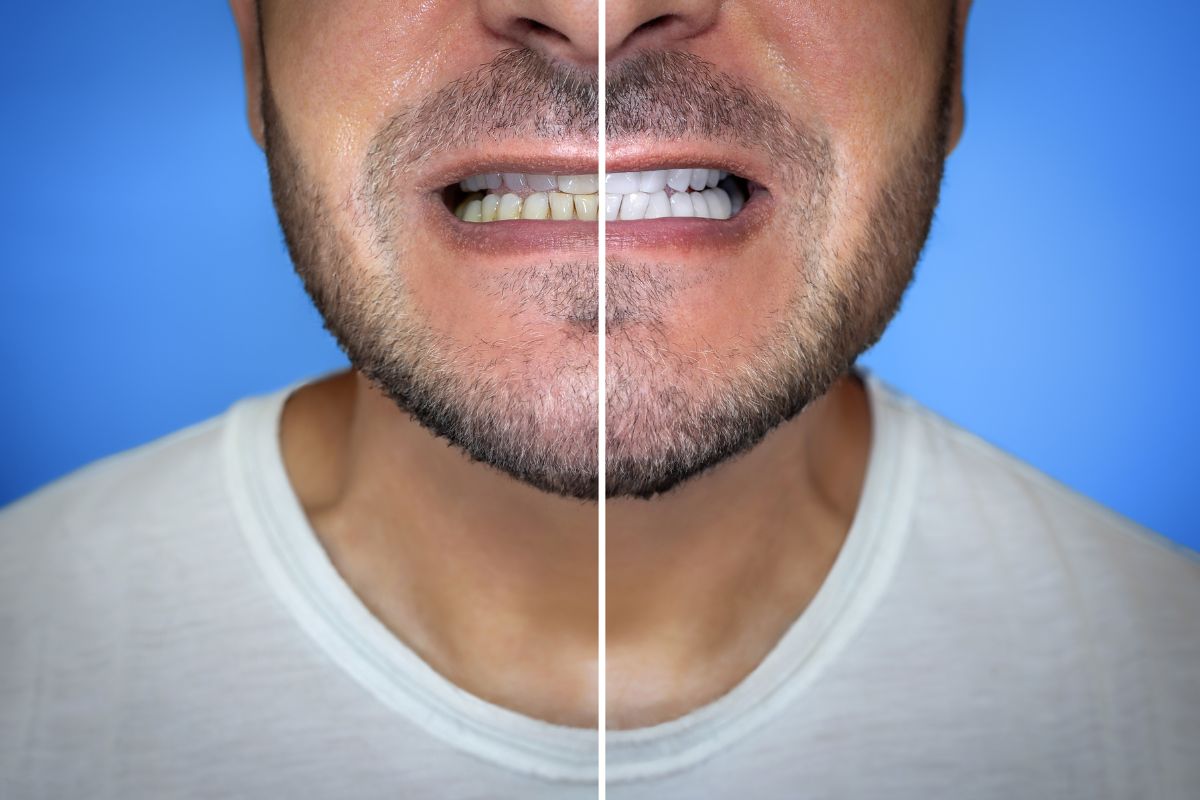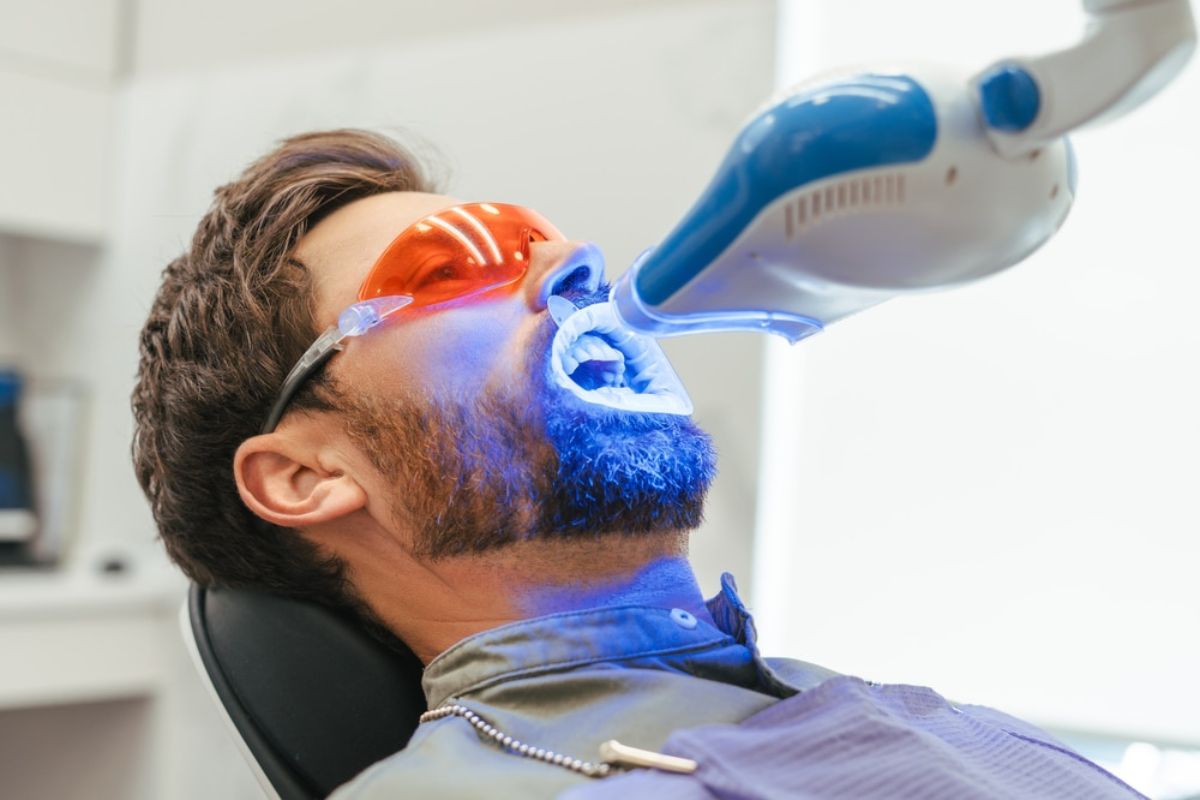
Everyone dreams of having a brighter, whiter smile. Teeth whitening has become a favorite way to improve your look and feel more confident. Even though it is a quick and easy solution to brighten stained teeth, many wonder, “Can teeth whitening damage enamel?” The key is to understand how the process works and the products involved. In this blog, find out how you can keep your teeth healthy along the way.
What Is Enamel and Why Is It Important?
Each of your teeth is covered in enamel, a thin yet resilient outer coating. In fact, it is the toughest material in your body and serves as a barrier to keep out infections, cavities, and sensitivities. Enamel cannot regrow on its own once it wears down because it lacks live cells. Because whitening procedures primarily impact this vital layer, it is imperative to exercise caution when using them.
Teeth whitening cause to damage enamel if done incorrectly, increasing your teeth’s susceptibility to decay and perhaps causing sensitivity and discoloration. Maintaining the health and brightness of your smile is facilitated by taking proper care of your enamel. That’s why, before the treatment, you need to understand the whole procedure of teeth whitening in Newport Beach.
How Whitening Products Work?
Most whitening treatments usually contain hydrogen peroxide or carbamide peroxide, which work by reaching into the enamel to lift stains from the deeper layers of your teeth. While they can be effective, their strong chemicals might sometimes cause side effects.
Over-the-counter options like whitening toothpaste, strips, and even professional procedures can vary in strength. If used too often or not properly, they might change the surface of your enamel, making it feel rough or causing increased tooth sensitivity.
This is why the question, “Can teeth whitening damage enamel?” continues to be relevant. The answer depends largely on how the process is managed.
Signs That Whitening Might Be Harming Your Teeth
Teeth sensitivity is a common side effect of whitening, happening when the peroxide irritates the nerves inside your teeth. You might also notice gum irritation, especially if the bleaching agent touches your soft tissue.
A rough feeling on your teeth’s surface could be an early sign of enamel wear. If you experience any of these symptoms after whitening, it’s best to stop the treatment and chat with your dentist. Continuing to use whitening products despite side effects might cause permanent damage.
Can Teeth Whitening Damage Enamel in the Long Term?
Even though long-term harm is rare, caution is still necessary. Your enamel may thin if you use high-concentration whitening treatments excessively, especially if you don’t have professional advice. Your teeth may appear more yellow or translucent as a result, and they may also become more susceptible to decay.
Keep in mind that teeth whitening cause to damage enamel, if done excessively or with solutions that are not properly regulated. You can significantly reduce these dangers and maintain the health and brightness of your smile by choosing safer options and consulting a dentist.
Choose Us to Safely Whiten Your Teeth
So, can teeth whitening damage enamel? Yes, it can, but only when misused. With the proper precautions, professional guidance, and moderation, whitening your teeth is generally safe.
The key is to avoid overuse, choose quality products, and never skip a dental consultation. If you want tooth whitening, book an appointment with us at Watson, Niven, Skahen – Comprehensive, Restorative, & Esthetic Dentistry. We provide a wide range of safe and professional methods to accommodate all of our patients.