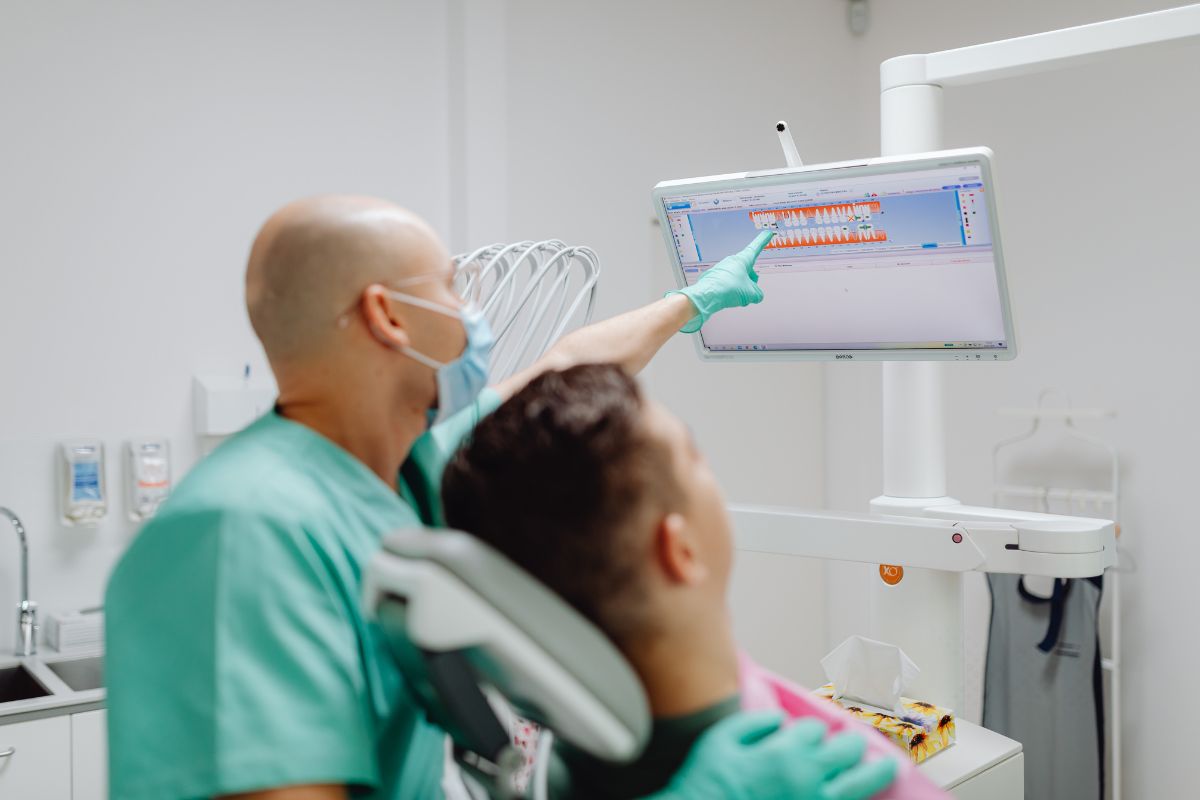
A tooth cavity is a common dental problem that can cause severe pain and discomfort if left untreated. Cavities occur when tooth enamel breaks down due to plaque buildup and bacterial activity. Visiting a dentist regularly can help prevent cavities and maintain oral health. Recognizing the early signs of a tooth cavity is crucial to avoiding serious dental complications.
Common Signs of a Tooth Cavity
Cavities do not develop overnight. It can go through several stages, starting with minor enamel erosion and progressing into deeper tooth decay. Here are some common symptoms that indicate the presence of a tooth cavity:
1. Tooth Sensitivity
If you experience a sharp pain or discomfort when consuming hot, cold, or sweet foods, it may indicate a cavity. This happens because the enamel wears down, exposing the sensitive dentin underneath.
2. Visible Holes or Dark Spots
Cavities often appear as small pits, holes, or dark stains on the surface of the tooth. These signs indicate that decay has begun to damage the tooth structure.
3. Persistent Toothache
A continuous toothache, especially without any apparent cause, is a strong sign of a cavity. The pain can range from mild to severe and may worsen when biting or chewing.
4. Bad Breath or Unpleasant Taste
As bacteria continue to break down the tooth, they produce foul-smelling byproducts. This process, often worsened by tartar buildup on teeth, can lead to persistent bad breath or an unpleasant taste in your mouth.
5. Swollen or Bleeding Gums
Although more commonly associated with gum disease, swollen or bleeding gums can also indicate a cavity near the gumline. If you notice these symptoms, schedule a dental check-up immediately.
When to See a Dentist
Early signs of tooth cavity can prevent severe damage and costly treatments. Here’s when you should visit a dentist:
1. If You Experience Prolonged Tooth Pain
Any persistent toothache that lasts more than a couple of days should not be ignored. The longer you wait, the more serious the problem may become.
2. Increased Sensitivity to Temperature
If consuming hot or cold beverages causes sharp pain, your enamel might be compromised. This is a clear indication that you should see a Newport Beach dentist before the cavity worsens.
3. Difficulty in Chewing
When cavities progress, they weaken the tooth structure, making it painful to chew. A dentist can examine the issue and suggest appropriate treatment options.
4. Noticeable Tooth Damage
If you observe visible pits, cracks, or dark spots on your teeth, it’s time to visit a dentist. They will assess the severity of decay and recommend fillings or other treatments as needed.
Preventive Measures to Avoid Cavities
While professional dental care is essential, you can take steps to reduce your risk of cavities:
- Brush twice daily using fluoride toothpaste.
- Floss daily to remove plaque between teeth.
- Limit sugary foods and drinks, which contribute to bacterial growth.
- Drink plenty of water to wash away food particles.
- Visit our dental office for check-ups and cleanings.
Tooth cavities can be painful and harmful if not treated in time. Recognizing the warning signs and visiting a dentist early can prevent further complications from tooth cavity. If you are experiencing any symptoms of a cavity, do not delay seeking professional help.
For those living in Newport Beach, CA, you can visit Watson, Niven, Skahen – Comprehensive, Restorative, & Esthetic Dentistry for expert dental care. Taking proactive steps to maintain oral hygiene will keep your smile healthy and cavity-free.