By Watson, Niven, Skahen | October 6, 2026
Life in Southern California invites you outside almost every day. Between morning runs, paddleboard sessions, and weekend bike rides, active lifestyle enamel wear can build up without much warning. Your teeth work hard too, and enamel is the only armor they get. At Watson, Niven, Skahen – Comprehensive, Restorative, & Esthetic Dentistry in Newport Beach, we see how daily habits shape a smile over time. This post explains what wears enamel down, how to spot early signs, and how to protect your teeth while you keep enjoying the coast.
What Enamel Does and Why It Matters
Enamel is the thin, hard shell that covers each tooth. It protects the softer layer underneath, called dentin, from heat, cold, and decay. Even though enamel is the hardest substance in your body, it has limits.
Here is the catch. Once enamel wears away, your body cannot grow it back. As a result, small daily habits matter more than most people realize, because a little wear each week adds up over the years.
Many active adults do not connect their routines to their teeth. However, the link is real. If you want a clear picture of your own enamel, a trusted Newport Beach dentist can check for early wear before it turns into sensitivity or cracks.
How Active Lifestyle Enamel Wear Begins
Most wear does not come from one big event. Instead, it comes from several small stressors that repeat every day. Here are the most common ones for people who love the outdoors.
Sports Drinks, Gels, and Energy Chews
Sports drinks help you stay fueled, but many contain acids and sugar. Sipping them for an hour or two bathes your teeth in that mix again and again. Energy gels and chews stick to teeth, which gives acid more time to work. For most workouts, plain water is the safer choice.
Mouth Breathing During Exercise
When you run or bike hard, you probably breathe through your mouth. That dries out your saliva, and saliva is your natural defense against acid. Without enough of it, enamel softens more easily. For example, a long summer hike can leave your mouth dry for hours.
Clenching and Grinding Under Effort
Many athletes clench their jaws while lifting, climbing, or pushing through a tough set. Over time, that pressure can flatten and chip tooth edges. Work stress can add to the habit, so some people grind at night too. Grinding can wear enamel faster than almost any food or drink.
Citrus Water and Acidic Snacks
Lemon water, kombucha, and fruit snacks feel like healthy choices, and they often are. Still, the acid in them can soften enamel for a short time after you finish. If you brush right away, you can scrub away that softened layer.
Signs Your Enamel May Be Wearing Down
Early wear is easy to miss, so it helps to know what to watch for:
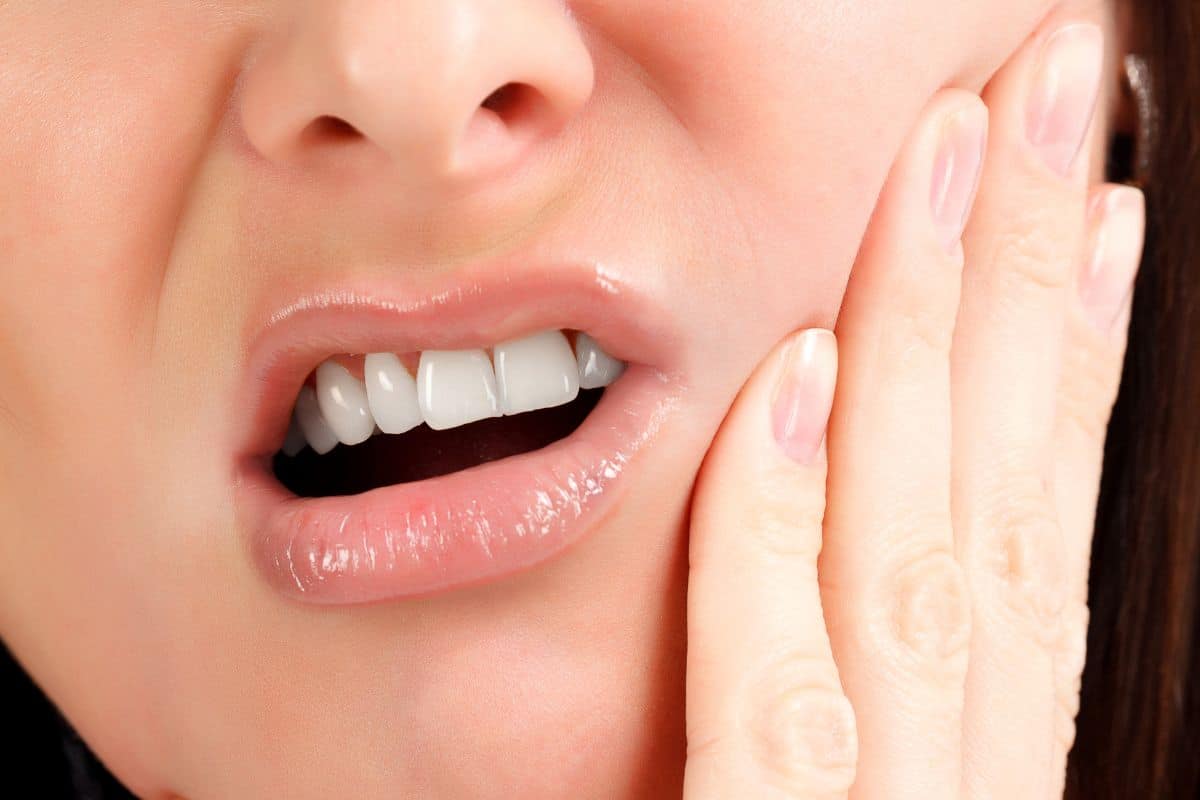
- Sensitivity: Sharp twinges with cold water, hot coffee, or sweet snacks.
- Color changes: Teeth that look more yellow as the dentin underneath shows through.
- Thin or rough edges: Front teeth that look slightly see-through or uneven at the tips.
- Small dents: Little hollows on the chewing surfaces of back teeth.
- Shorter teeth: A slow change that old photos sometimes reveal first.
Any one of these signs deserves a closer look. Together, they often point to active lifestyle enamel wear that has been building for a while.
Simple Ways to Protect Your Enamel
You do not have to give up your favorite activities. Small changes go a long way.
- Rinse with water. Swish after sports drinks, gels, or citrus.
- Wait before brushing. Give your mouth about 30 minutes after acidic foods and drinks.
- Use fluoride toothpaste. Fluoride helps enamel take back minerals it has lost.
- Wear a mouthguard. A custom guard protects teeth during contact sports and may help if you clench.
- Stay hydrated. Water keeps saliva flowing, which protects your teeth all day.
- Snack smart. Cheese, nuts, and crunchy vegetables are gentler than sticky chews.
Together, these habits cut down active lifestyle enamel wear without slowing you down.
What a Dental Visit Can Do for You
A routine exam lets the dental team spot wear patterns early. Dr. James Skahen and Dr. Mi Young Kim can look at how your teeth meet, check for grinding marks, and talk through your daily habits. That conversation often reveals simple fixes you can start right away.
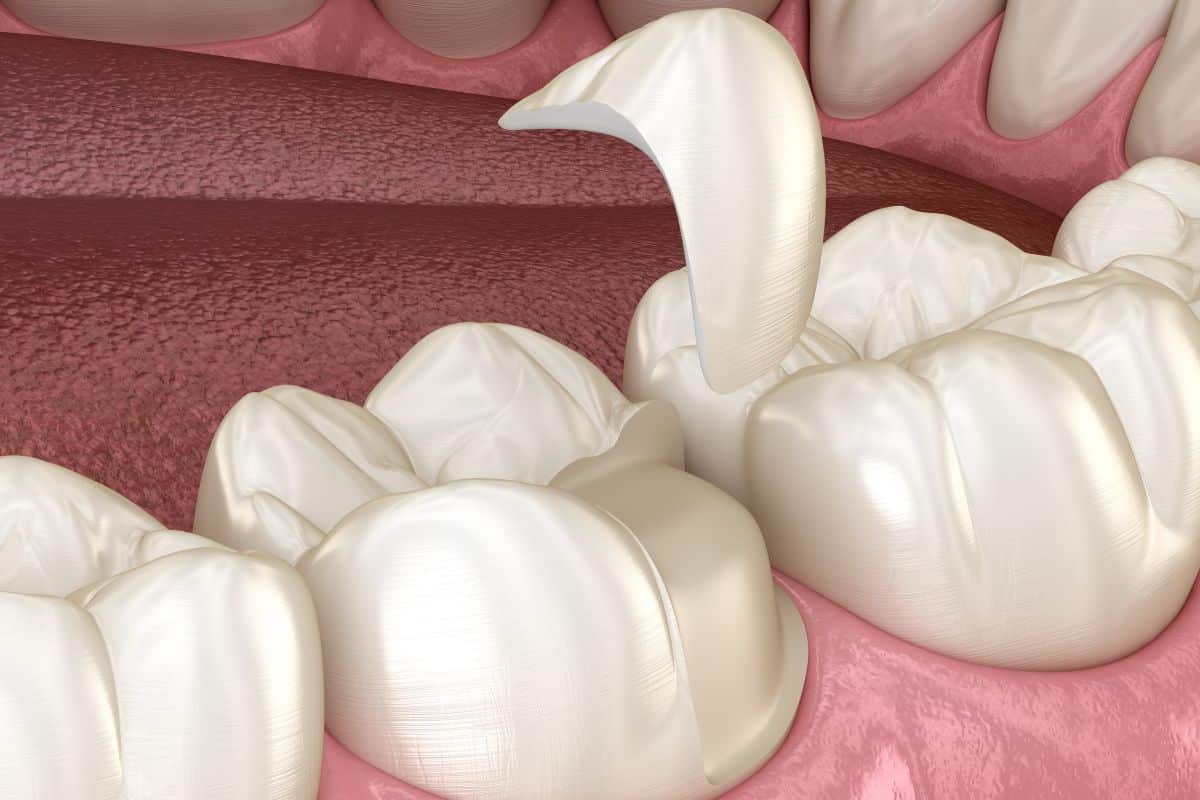
If wear has already started, treatment options may include fluoride applications, bonding to rebuild worn edges, or a custom night guard to protect against grinding. In more advanced cases, restorations can bring back both strength and appearance. The earlier you act, the simpler the solution tends to be.
Keep Your Smile as Active as You Are
Enamel protects every bite and every smile, and it cannot be replaced once it is gone. Fortunately, small changes like drinking more water, wearing a mouthguard, and staying on top of checkups can protect it for years. If your active routine has you worried about your teeth, schedule a visit with Watson, Niven, Skahen – Comprehensive, Restorative, & Esthetic Dentistry in Newport Beach and let us help you keep your smile strong.