By Watson, Niven, Skahen | September 21, 2026
Understanding digital x-ray bone loss early detection can help patients recognize why routine dental technology matters, even when their teeth and gums feel healthy. At Watson, Niven, Skahen – Comprehensive, Restorative, & Esthetic Dentistry in Newport Beach, digital X-rays can support a more complete view of areas that are not always visible during a standard visual examination.
Many dental concerns develop gradually. You may not feel pain, notice swelling, or experience changes in the way your teeth function during the early stages. Changes involving the bone that supports your teeth can also progress without causing immediate symptoms.
For this reason, dentists use a combination of clinical examinations and diagnostic tools to understand what is happening above and below the gumline. Digital imaging can provide important information that helps identify changes earlier and supports appropriate treatment planning.
Why Supporting Bone Matters for Your Smile
Your teeth rely on more than their visible structure to remain stable. The gums, ligaments, and bone surrounding the roots all play important roles in supporting your smile.
When the supporting structures remain healthy, they help teeth stay stable during everyday activities such as chewing and speaking.
However, changes in gum health can affect the tissues and bone around the teeth over time.
Bone Changes May Not Cause Immediate Pain
One of the challenges with oral health problems is that symptoms do not always appear right away.
A person may have no noticeable pain while changes are developing below the gumline. This is why relying only on how your mouth feels can sometimes make it difficult to identify concerns early.
A dental examination allows your dentist to evaluate several aspects of your oral health instead of waiting for discomfort to appear.
What Are Digital Dental X-Rays?
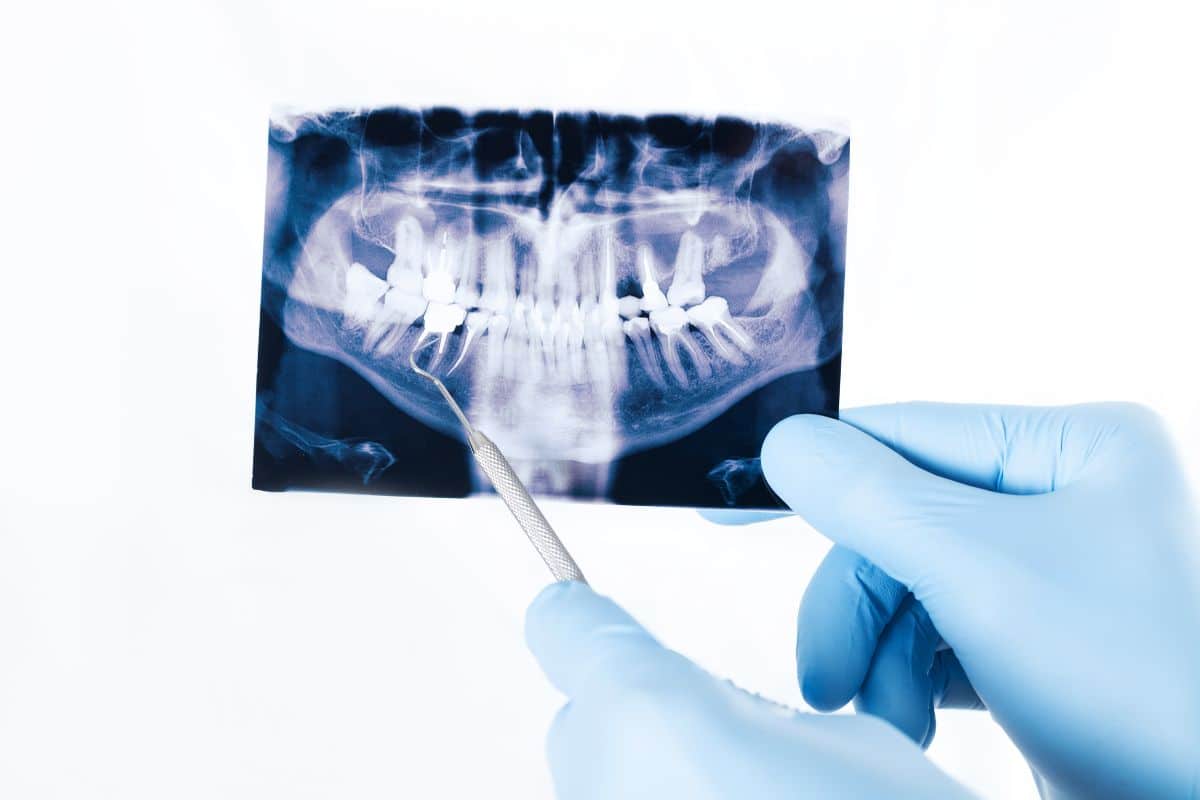
Digital dental X-rays create images that help dentists examine areas that may not be fully visible during a visual examination.
Depending on the type of image, X-rays can provide information about:
- The roots of teeth.
- The bone surrounding teeth.
- Areas between teeth.
- Existing dental restorations.
- Changes below the gumline.
- Developing dental concerns that may not yet cause symptoms.
Digital images can appear on a computer screen, allowing dentists to review them closely as part of the diagnostic process.
X-Rays Add Information to a Clinical Examination
A visual examination remains important, but your dentist cannot directly see every structure below the gums.
Digital imaging does not replace a clinical examination. Instead, it provides another source of information that can help your dentist develop a clearer understanding of your oral health.
This combination can support more informed decisions about preventive care, monitoring, and treatment.
Personalized Digital X-Ray Care in Newport Beach
For patients interested in digital x-ray bone loss early detection, personalized dental care can help explain why imaging may be recommended and what your dentist is evaluating. If you are looking for a Newport Beach dentist, Dr. James Skahen and Dr. Mi Young Kim at Watson, Niven, Skahen – Comprehensive, Restorative, & Esthetic Dentistry can use comprehensive examinations and modern diagnostic technology to evaluate your individual oral health needs.
The practice offers preventive care that includes digital X-rays and uses advanced diagnostic tools to help identify dental concerns early and support accurate treatment planning.
Your dentist will consider your oral health history, clinical findings, and individual needs when determining whether X-rays are appropriate.
How Digital X-Rays Can Help Detect Changes in Supporting Bone
The bone around your teeth sits below the gumline, which means you cannot evaluate it simply by looking in the mirror.
Digital X-rays can provide a view of the relationship between teeth and the surrounding bone.
Comparing Images Can Help Monitor Changes
Dental imaging can also be useful for monitoring changes over time.
When appropriate images are available from previous appointments, your dentist may compare them with newer images to look for differences.
This can help identify patterns that may not be obvious based on symptoms alone.
For example, a patient may feel completely comfortable while imaging shows changes that deserve closer attention.
Early identification does not automatically mean extensive treatment is necessary. In some situations, it may simply mean closer monitoring, improved home care, or additional evaluation.
Why Symptoms Can Appear Late
Many people associate dental problems with pain. However, not every oral health concern causes discomfort during its early stages.
Changes involving the gums and supporting structures can develop gradually.
You may not notice:
- Mild gum inflammation.
- Changes below the gumline.
- Early changes in supporting structures.
- Small areas of decay.
- Changes around existing dental work.
This is one reason routine examinations can be valuable even when you feel fine.
No Pain Does Not Always Mean No Problem
A lack of pain can be reassuring, but it does not always provide a complete picture of oral health.
Dentists consider several findings when evaluating a patient’s smile, including:
- Gum health.
- Tooth stability.
- X-ray findings.
- Existing restorations.
- Areas between teeth.
- Signs of wear or damage.
Together, these details can help create a more complete understanding of your dental needs.
Digital X-Ray Bone Loss Early Detection and Gum Health
Gum health and the supporting structures around your teeth are closely connected.
When gum disease progresses, it can affect tissues that support the teeth. In more advanced cases, changes may involve the supporting bone.
This is why regular dental care often includes evaluating both the visible gums and areas below the gumline.
What Your Dentist May Look For
During an examination and imaging review, your dentist may evaluate:
- The height of bone around the teeth.
- Changes compared with earlier images.
- Areas that may require closer monitoring.
- Signs of gum disease.
- Changes around tooth roots.
- Other conditions affecting oral health.
The information helps your dentist determine whether your oral health appears stable or whether additional attention may be helpful.
Common Factors That Can Affect Supporting Bone
Different factors can influence the health of the gums and structures around your teeth.
Some concerns may relate to:
- Untreated gum disease.
- Long gaps between dental visits.
- Inconsistent oral hygiene.
- Tobacco use.
- Certain health conditions.
- Changes related to missing teeth.
- Individual risk factors.
However, having one risk factor does not mean you will automatically experience serious dental problems.
Your individual dental history and examination findings matter when evaluating your risk.
A Personalized Assessment Is Important
Two people can have similar habits but different oral health outcomes.
For this reason, general information cannot replace an individual examination.
Dr. James Skahen and Dr. Mi Young Kim can evaluate your teeth, gums, and diagnostic findings as part of a personalized approach to dental care at Watson, Niven, Skahen – Comprehensive, Restorative, & Esthetic Dentistry.
What Happens if Changes Are Found Early?
Finding a change early gives your dentist an opportunity to understand what may be contributing to it.
The next step depends on the cause and severity of the concern.
Your dentist may recommend:
- Improved daily oral hygiene.
- More frequent professional monitoring.
- Periodontal evaluation.
- Treatment for active gum problems.
- Additional diagnostic assessment.
- A referral to a specialist when appropriate.
The goal is to make decisions based on your specific condition rather than treating every patient in the same way.
Early Attention Can Support More Conservative Care
When dental concerns receive attention earlier, dentists may have more opportunities to protect existing healthy structures.
However, every situation is different. Your dentist will recommend care based on your clinical findings and treatment needs.
This prevention-first approach can help patients understand concerns before they become more noticeable or complicated.
How Often Do You Need Dental X-Rays?
There is no single X-ray schedule that fits every patient.
Your dentist may consider several factors, including:
- Your age.
- Your oral health history.
- Your risk for dental disease.
- Current symptoms.
- Previous imaging.
- Existing dental work.
- Clinical findings.
Some patients may need imaging more often than others.
X-Rays Are Based on Individual Needs
A dentist should recommend diagnostic imaging based on your individual situation.
For example, someone with a history of significant dental problems may have different imaging needs than someone with consistently stable oral health.
Discussing your history and concerns with your dentist can help you understand why a specific type of image may be recommended.
Other Benefits of Digital Dental X-Rays
Digital imaging can support dental care in several ways beyond evaluating supporting bone.
Depending on the type of X-ray, it may help your dentist identify:
- Decay between teeth.
- Changes around tooth roots.
- Problems involving existing restorations.
- Tooth development.
- Certain infections.
- Other conditions that are not visible during a standard examination.
This information can help guide treatment planning and follow-up care.
Digital Technology Supports Clear Communication
Digital images can also make it easier for dentists to discuss findings with patients.
When an image appears on a screen, your dentist may be able to point out specific areas and explain what they are evaluating.
Clear communication can help you better understand:
- What your dentist sees.
- Why a concern may need monitoring.
- Why treatment may be recommended.
- What options may be available.
Watson, Niven, Skahen emphasizes a thoughtful and collaborative approach that includes explaining options and helping patients make informed decisions about their care.
Signs You Should Not Ignore
Although this article focuses on detecting changes before symptoms appear, you should still pay attention to noticeable changes in your mouth.
Contact your dentist if you experience:
- Bleeding gums.
- Persistent gum swelling.
- Loose teeth.
- Changes in the way your teeth fit together.
- Pain when chewing.
- Ongoing bad breath.
- Gum recession.
- Persistent tooth sensitivity.
These symptoms can have different causes, and an examination can help determine what is happening.
Digital X-Rays and Routine Preventive Care
Routine dental visits provide an opportunity to review your oral health before discomfort becomes your first warning sign.
A preventive appointment may include:
- A clinical examination.
- An assessment of your gums.
- A review of your oral health history.
- Professional cleaning when appropriate.
- Digital X-rays when needed.
- A discussion about home care habits.
The information collected during these visits can help your dental team identify patterns and make recommendations based on your individual needs.
Prevention Is an Ongoing Process
Preventive dental care is not about guaranteeing that problems will never occur.
Instead, it focuses on reducing risks, identifying changes early, and responding appropriately when concerns develop.
Consistent care can help you maintain awareness of your oral health over time.
Your Daily Habits Still Matter
Technology can provide valuable information, but daily care remains essential.
You can support your oral health by:
- Brushing twice each day with fluoride toothpaste.
- Cleaning between your teeth daily.
- Attending recommended dental visits.
- Discussing changes in your health history.
- Avoiding tobacco products.
- Reporting new dental symptoms promptly.
These habits work alongside professional examinations and diagnostic tools.
When Bone Loss May Require Additional Care
The term bone loss can sound alarming, but the appropriate response depends on what your dentist finds and what may be causing the change.
Your dentist may recommend additional evaluation when imaging or an examination identifies concerns involving the supporting structures around your teeth.
Depending on the situation, treatment may involve addressing gum disease, improving oral hygiene, monitoring changes, or consulting a specialist.
The key is to understand the underlying cause before deciding on treatment.
Final Thoughts on Digital X-Rays and Early Detection
Dental problems do not always cause symptoms immediately. Changes below the gumline may develop quietly, which makes routine examinations and appropriate diagnostic imaging valuable tools for understanding your oral health.
Digital x-ray bone loss early detection can help dentists evaluate areas that cannot be fully assessed during a visual examination and monitor changes over time. When used as part of personalized preventive care, digital imaging can provide important information before a concern becomes more noticeable.
If you would like a comprehensive dental evaluation that includes appropriate preventive care and diagnostic imaging, schedule your appointment with Dr. James Skahen or Dr. Mi Young Kim at Watson, Niven, Skahen – Comprehensive, Restorative, & Esthetic Dentistry, 2001 Westcliff Dr., Suite 202, Newport Beach, CA 92660.