By Watson, Niven, Skahen | August 28, 2026
Electric toothbrushes have become a common choice for people who want a cleaner, healthier smile. But are they actually better than a manual toothbrush? The answer depends on how you brush, your dental needs, and which features you use. At Watson, Niven, Skahen – Comprehensive, Restorative, & Esthetic Dentistry, Dr. James Skahen and Dr. Kim take a prevention-first approach to helping patients build healthy daily habits.
Both options can clean your teeth effectively. However, powered brushing may make it easier for some people to remove plaque consistently, especially when they struggle with brushing technique or hand movement. On the other hand, a traditional brush remains simple, inexpensive, and effective when you use it correctly.
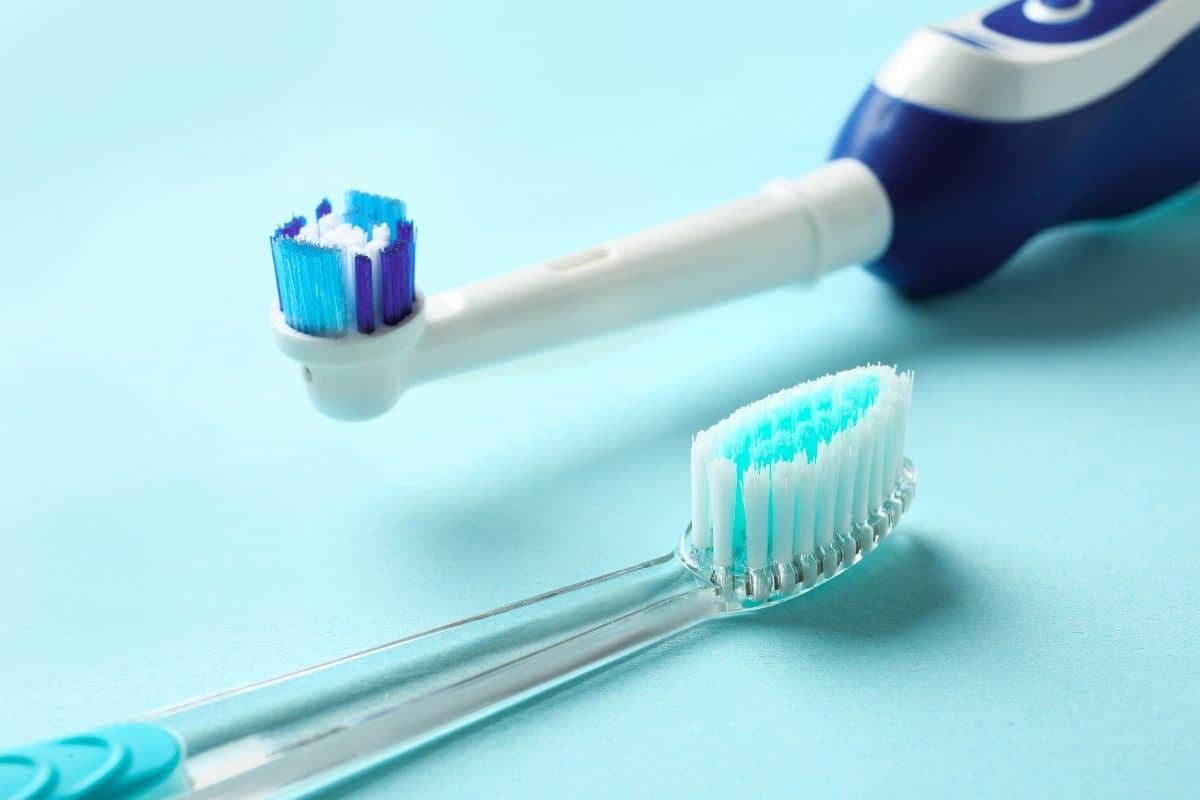
How Electric and Manual Toothbrushes Work
The main difference comes down to how the bristles move.
A manual toothbrush requires you to move the brush across your teeth and gums. You control the pressure, direction, speed, and amount of time spent on each area.
A powered model uses a motor to move the bristles for you. Depending on the model, the head may rotate, oscillate, or vibrate. Some products also include timers, pressure sensors, and different cleaning modes.
Neither option automatically guarantees excellent hygiene. Your technique, consistency, and attention to hard-to-reach areas still matter.
Why Technique Matters
Even the most advanced brush cannot compensate for poor habits. If you rush, skip areas, or press too hard, plaque may remain along the gumline and between teeth.
Therefore, think of your toothbrush as a tool. Your daily technique and routine determine how well that tool works.
Are Electric Toothbrushes More Effective at Removing Plaque?
Research generally suggests that powered toothbrushes can provide a small advantage in plaque removal and gum health compared with manual brushing. However, the difference does not mean that everyone needs a powered model.
For a Newport Beach patient working with Dr. James Skahen or Dr. Scott Niven, the best choice may depend on individual factors such as brushing habits, gum sensitivity, dexterity, orthodontic appliances, and other dental concerns. The practice focuses on personalized preventive care and provides guidance for maintaining healthy teeth and gums between visits.
The biggest benefit may come from making proper brushing easier and more consistent.
Benefits of Using a Powered Toothbrush
A powered brush can offer several useful features that make daily brushing more manageable.
1. Built-In Timers
Many models include a two-minute timer. Some divide those two minutes into sections so you spend enough time on each part of your mouth.
This feature can help if you tend to brush too quickly.
2. Pressure Sensors
Some products alert you when you apply too much pressure.
This matters because aggressive brushing can irritate your gums and contribute to enamel wear. A pressure sensor can remind you to use a lighter touch.
3. Consistent Bristle Movement
A motor performs the brushing motion for you. As a result, you may find it easier to maintain a consistent brushing pattern.
This can help people who struggle with manual brushing technique.
4. Helpful Options for Limited Hand Mobility
People with arthritis, limited mobility, or other challenges that affect hand control may find a powered model easier to handle.
Instead of repeatedly moving the brush back and forth, you mainly guide the head from tooth to tooth.
When a Manual Toothbrush May Work Just as Well
A manual toothbrush can still provide excellent results. You do not need expensive technology to maintain good hygiene.
A traditional brush may suit you if:
- You have good brushing technique
- You consistently brush for about two minutes
- You clean all tooth surfaces
- You clean along the gumline
- You floss or clean between your teeth regularly
- You replace the brush when the bristles become worn
- You do not have difficulty controlling the brush
For many people, the biggest factor is not the type of toothbrush. It is whether they use it properly every day.
Are Powered Brushes Better for Sensitive Gums?
If you have sensitive gums, the way you brush matters more than simply choosing a powered or manual model.
Using excessive force can cause irritation. Instead, use gentle pressure and let the bristles do the cleaning.
If you choose a powered brush, consider one with a pressure sensor or gentle mode. If you prefer a manual option, look for a soft-bristled brush.
Do Not Scrub Your Teeth
Brushing harder does not necessarily make your teeth cleaner.
In fact, aggressive scrubbing can irritate gum tissue and contribute to unnecessary enamel wear. Use small, gentle movements and focus on covering every surface.
If you experience frequent bleeding, soreness, or sensitivity, talk with your dentist rather than simply changing your brushing pressure.
Which Option Is Better for Children?
Children can use either type, depending on their age, comfort, and ability to brush correctly.
A powered brush may make brushing more interesting and can help children stay on track with a built-in timer. However, parents should still supervise younger children and make sure they reach all areas.
A manual brush can also work well when a child learns good technique.
Make Brushing a Routine
Children benefit from a predictable routine. Encourage them to brush in the morning and before bed.
You can also make the process easier by:
- Using a soft-bristled brush
- Choosing an age-appropriate brush head
- Using the recommended amount of fluoride toothpaste
- Supervising young children
- Teaching them to clean along the gumline
- Helping them reach areas they regularly miss
The goal is to build habits that continue into adulthood.
Can Electric Toothbrushes Help With Braces?
People with braces often need to pay extra attention to plaque because brackets and wires create additional areas where food and plaque can collect.
A powered brush may make it easier to clean around orthodontic appliances. However, it does not replace careful technique or cleaning between teeth.
If you have braces, ask your dental professional which brush head and cleaning method best suit your needs.
What About People With Dental Work?
Crowns, bridges, implants, veneers, and other restorations require consistent hygiene.
A powered brush can help you clean around these areas, but you still need to use the correct technique. Avoid pressing aggressively around sensitive gum tissue.
Watson, Niven, Skahen provides comprehensive restorative care, including crowns, dental implants, bridges, dentures, inlays, onlays, and other treatments. Good home care helps support the longevity and health of treated teeth.
If you have extensive dental work, ask your dentist whether you need any special cleaning tools.
How to Brush Correctly With Either Type
Regardless of which toothbrush you choose, technique remains essential.
Step 1: Use a Soft Brush
Choose soft bristles unless your dentist recommends something different. Hard bristles can be unnecessarily abrasive.
Step 2: Position the Brush Near the Gumline
Place the bristles at a slight angle toward the gumline. This helps you clean the area where plaque often accumulates.
Step 3: Use Gentle Movements
With a manual brush, use short and controlled movements. With a powered model, guide the brush slowly across each area instead of scrubbing.
Step 4: Clean Every Surface
Remember the:
- Outside surfaces
- Inside surfaces
- Chewing surfaces
- Back teeth
- Gumline
Do not focus only on the front teeth that people see when you smile.
Step 5: Clean Between Your Teeth
A toothbrush cannot fully clean the spaces between teeth. Use floss, interdental brushes, or another recommended method to remove plaque from these areas.
How Often Should You Replace Your Toothbrush?
Bristles become less effective as they wear. A common recommendation is to replace your toothbrush or brush head about every three to four months, or sooner if the bristles become frayed.
Children may need replacements more often if they chew on the brush or damage the bristles.
A worn brush can make good brushing more difficult, so check the bristles regularly.
Common Mistakes That Can Reduce Brushing Results
Even with a high-quality toothbrush, certain habits can reduce its effectiveness.
Brushing Too Hard
More pressure does not equal better cleaning. Use gentle pressure.
Brushing Too Quickly
Rushing through brushing can cause you to miss entire areas. A timer can help you maintain a consistent routine.
Ignoring the Gumline
Plaque often accumulates near the gums. Make this area part of your normal brushing pattern.
Forgetting the Back Teeth
Molars have grooves and surfaces that can trap food. Spend enough time reaching these teeth.
Skipping Between-Teeth Cleaning
Brushing alone cannot clean every space. Add an interdental cleaning method to your daily routine.
So, Which Toothbrush Should You Choose?
There is no single answer for everyone.
A powered toothbrush may be a strong choice if you:
- Brush too quickly
- Press too hard
- Struggle with brushing technique
- Have limited hand mobility
- Want a built-in timer
- Benefit from pressure feedback
- Need additional help maintaining consistency
A manual brush may be perfectly suitable if you already brush carefully and consistently.
Ultimately, the best toothbrush is one that you can use correctly and consistently.
What Your Dentist Can Tell You
If you are unsure whether your current routine works, your dentist can help you identify areas that need improvement.
During routine preventive visits, your dental team can assess your gums, teeth, plaque buildup, and other concerns. Watson, Niven, Skahen emphasizes preventive care and personalized guidance designed to help patients maintain their smiles over the long term.
The practice also uses digital X-rays, intraoral imaging, and precision diagnostic technology when appropriate to help identify dental concerns early.
This personalized approach can help you choose products and habits based on your actual needs rather than simply following a trend.
So, are electric toothbrushes really better than manual brushes? They can provide advantages for plaque control, brushing consistency, timing, and pressure management. However, a manual toothbrush can also work very well when you use proper technique and maintain a consistent routine.
The right choice depends on your habits, comfort, dental needs, and ability to clean every part of your mouth effectively. More importantly, no toothbrush can replace regular brushing, cleaning between teeth, and professional preventive care.
At Watson, Niven, Skahen – Comprehensive, Restorative, & Esthetic Dentistry, Dr. Skahen and Dr. Kim take a personalized, prevention-first approach to dental care in Newport Beach.
If you want personalized guidance about your brushing routine or overall preventive care, schedule your appointment with the team in Newport Beach.