By Watson, Niven, Skahen | August 4, 2026
Understanding periodontal disease stages can help you recognize gum problems before they threaten your teeth. At Watson, Niven, Skahen – Comprehensive, Restorative, & Esthetic Dentistry in Newport Beach, Dr. James Skahen take a prevention-first approach to dental care, helping patients understand changes in their gums and maintain healthier smiles.
Gum problems do not always cause strong pain at first. In fact, early inflammation can appear as mild redness or bleeding that many people overlook. However, untreated inflammation can progress and affect the tissues and bone that support your teeth. The good news is that early care can often stop or manage the progression.
How Gum Problems Develop
Your mouth naturally contains bacteria. These bacteria combine with food particles and other materials to form plaque, a sticky film that collects on your teeth.
When you brush and clean between your teeth regularly, you remove much of this buildup. However, plaque that remains on the teeth can harden into tartar. Unlike soft plaque, tartar requires professional cleaning for removal.
As bacteria move below the gumline, they can create spaces called periodontal pockets. Continued inflammation can then damage gum tissue and the bone supporting your teeth.
For anyone looking for a Newport Beach dentist, Watson, Niven, Skahen provides personalized preventive and restorative care. Dr. James Skahen focus on thoughtful, conservative treatment when appropriate and explain the available options so patients can make informed decisions about their oral health.
Stage 1: Gingivitis
Gingivitis represents the earliest and most reversible stage of gum problems.
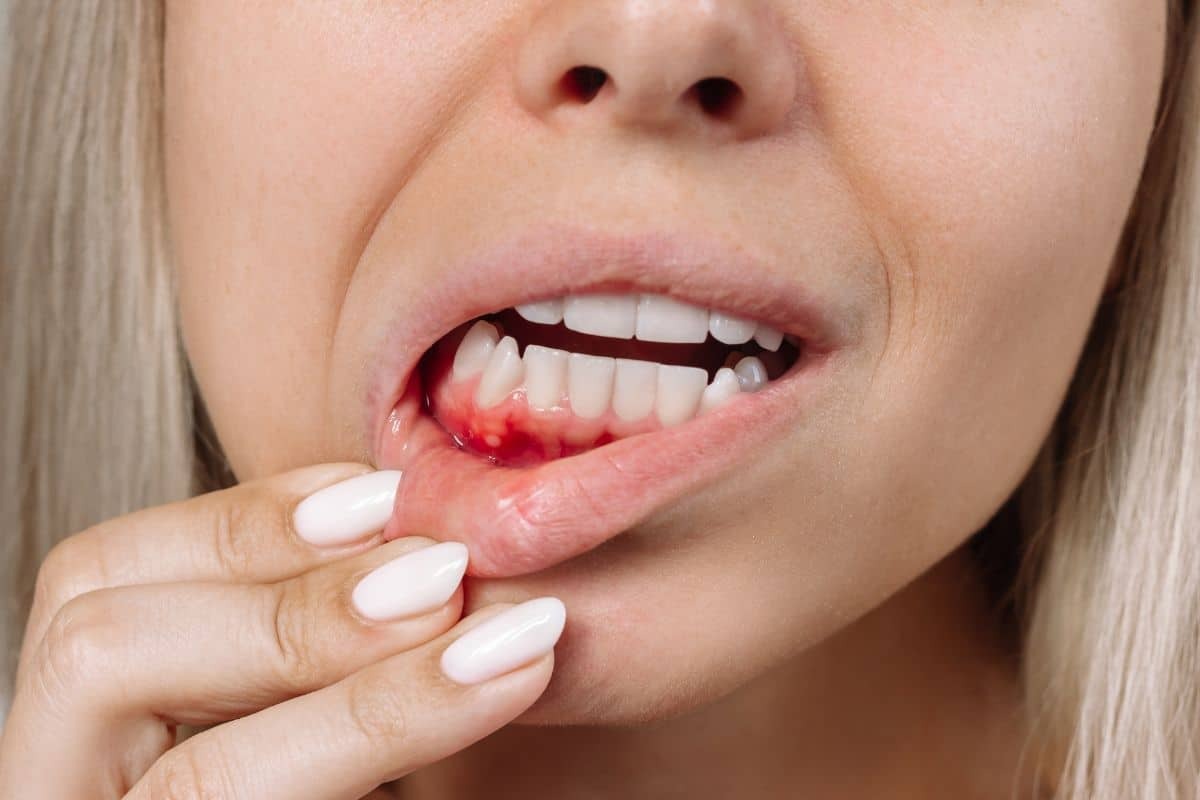
At this point, bacteria and plaque irritate the gum tissue. The gums may become red, swollen, tender, or more likely to bleed during brushing or flossing.
Common Signs
You may notice:
- Bleeding while brushing
- Bleeding during flossing
- Red or darker-looking gum tissue
- Mild swelling
- Gum tenderness
- Persistent bad breath
Some people have very few symptoms, which makes regular dental examinations important.
The Centers for Disease Control and Prevention explains that gingivitis involves gum inflammation and remains largely preventable and reversible with proper oral hygiene and professional care.
Can Gingivitis Be Reversed?
In many cases, yes.
Improving your daily cleaning routine and receiving professional care can help reduce inflammation. Your dentist or hygienist can also show you areas where plaque tends to collect.
The earlier you address the problem, the easier it may be to protect your gums from further damage.
Stage 2: Early Periodontitis
If inflammation continues, the condition can progress beyond gingivitis and begin affecting the structures around the teeth.
At this stage, the gums may start pulling away from the teeth, creating deeper spaces where bacteria can collect. Bone loss may also begin.
You might notice:
- More frequent gum bleeding
- Gum recession
- Persistent bad breath
- Increased tooth sensitivity
- Changes around the gumline
- Early changes in the supporting bone
Unlike gingivitis, periodontitis involves damage to the supporting tissues and can cause bone loss around teeth. The CDC notes that this form cannot be reversed, but professional treatment can slow and manage its progression.
Why Early Treatment Matters
Early periodontitis may not cause severe discomfort.
That can make it tempting to wait. However, the absence of pain does not mean the supporting tissues remain healthy.
A dental examination can identify changes that you may not notice at home. Your dentist may evaluate the gumline, measure periodontal pockets, and use dental X-rays when needed to assess supporting bone.
Stage 3: Moderate Periodontitis
As the condition progresses, inflammation and damage can become more significant.
Gum tissue may recede further, while periodontal pockets can become deeper. Continued infection and inflammation can contribute to additional bone loss around affected teeth.
At this stage, some patients may experience:
- More noticeable gum recession
- Persistent bleeding
- Tooth sensitivity
- Bad breath
- Discomfort while chewing
- Changes in how teeth fit together
- Teeth that feel less stable
The CDC identifies loose or sensitive teeth, painful chewing, receding gums, and changes in how teeth fit together as possible signs of gum disease.
Why Moderate Disease Needs Attention
Moderate periodontal problems require professional management.
Simply brushing harder will not solve deeper periodontal pockets. In fact, aggressive brushing can irritate the gums further.
Instead, your dentist can determine the extent of the problem and recommend treatment based on your individual needs.
Stage 4: Advanced Periodontitis
Advanced disease represents the most serious stage.
At this point, extensive damage can affect the gums, bone, and other structures that hold teeth in place. Teeth may become noticeably loose, and some may eventually require removal.
Possible warning signs include:
- Significant gum recession
- Loose teeth
- Severe sensitivity
- Pain when chewing
- Persistent bad breath
- Changes in your bite
- Visible spaces between teeth
- Tooth loss
Advanced periodontal disease can make everyday activities such as chewing more difficult.
The CDC identifies periodontitis as a leading cause of tooth loss and explains that severe disease can involve substantial destruction of the supporting tissues and bone.
Treatment at This Stage
Treatment depends on the extent of the damage.
A dental professional may recommend deep cleaning, medication, periodontal procedures, or referral to a specialist. The goal is to control infection, reduce inflammation, protect remaining support, and preserve teeth whenever possible.
What Causes Periodontal Problems to Progress?
Plaque and tartar play major roles, but several factors can increase the risk of progression.
Inconsistent Oral Hygiene
When plaque remains around the teeth, bacteria have more opportunity to irritate the gums.
Brushing twice daily and cleaning between your teeth every day can help control plaque.
Smoking and Tobacco
Smoking can increase the risk of severe periodontal problems. It can also interfere with the body’s ability to fight infection and heal properly.
If you smoke or use tobacco, talk with your healthcare provider about quitting.
Diabetes
Diabetes can affect your body’s ability to fight infections. The CDC lists diabetes among the factors associated with a higher risk of serious gum problems.
If you have diabetes, tell your dentist so your oral health plan can account for your overall health.
Genetics
Some people may have a higher risk because of genetic factors.
However, genetics do not mean you cannot protect your gums. Consistent home care and professional monitoring remain important.
Certain Medications and Health Conditions
Some medications can cause oral side effects, including dry mouth. Other health conditions can also affect gum health.
Keep your dentist informed about medications and relevant health conditions so your care team has a complete picture of your health.
How Dentists Identify the Stage
You cannot accurately determine the stage of periodontal disease by looking in a mirror.
A dentist needs to evaluate your gums and supporting structures.
Gum Measurements
During an examination, your dental professional may measure the spaces between your gums and teeth.
These measurements help identify areas where inflammation or tissue damage may exist.
Dental X-Rays
X-rays can provide information about the bone supporting your teeth.
Because bone loss may occur beneath the gumline, X-rays can reveal changes that are not visible during a normal visual examination.
Reviewing Your Symptoms
Your dentist may also ask about:
- Gum bleeding
- Tooth sensitivity
- Bad breath
- Pain while chewing
- Loose teeth
- Changes in your bite
- Gum recession
Combining these findings helps your dental team develop a more accurate picture of your periodontal health.
Treatment Options Based on Severity
Treatment varies according to the stage and your individual needs.
Professional Cleaning
Early gum inflammation may improve with professional cleaning and better home care.
A hygienist can remove plaque and tartar that you cannot remove effectively with normal brushing.
Scaling and Root Planing
For periodontitis, your dentist may recommend scaling and root planing, often called a deep cleaning.
This nonsurgical procedure removes plaque and tartar from tooth surfaces above and below the gumline and smooths the root surfaces. The CDC lists scaling and root planing as a common nonsurgical treatment for periodontitis.
Medication
In certain situations, your dental professional may recommend medication as part of the treatment plan.
Depending on your needs, this may include an antimicrobial rinse or medication placed near affected gum tissue.
Medication should complement professional treatment and daily oral hygiene rather than replace them.
Surgical Treatment
Advanced cases may require periodontal surgery.
A specialist may recommend a surgical procedure when deeper areas cannot receive adequate treatment through nonsurgical methods alone.
Your dentist can explain whether a referral to a periodontist makes sense for your situation.
Can You Stop the Progression?
Early action can make a major difference.
Gingivitis is generally reversible. Once periodontitis causes bone loss, however, the lost supporting bone does not simply return to its previous state. Professional treatment can still slow the disease and help manage it.
That is why prevention and early detection matter.
If your gums bleed often, look swollen, or seem to pull away from your teeth, do not wait for severe symptoms.
Daily Habits That Protect Your Gums
Your everyday routine plays an important role in maintaining gum health.
Brush Twice Daily
Brush your teeth twice a day using fluoride toothpaste.
Use gentle movements along the gumline rather than scrubbing aggressively.
Clean Between Your Teeth
Floss or use another interdental cleaning method every day.
Cleaning between your teeth helps remove plaque from areas your toothbrush cannot reach.
Maintain Regular Dental Care
Professional cleanings remove tartar that home care cannot eliminate.
Regular examinations also allow your dentist to monitor your gums and identify changes early.
The CDC recommends regular professional care and at least yearly dental checkups, with more frequent visits when your dental professional recommends them.
Avoid Tobacco
Avoiding tobacco can reduce your risk of serious gum problems and support better healing.
Manage Your Overall Health
If you have diabetes or another condition that can affect your oral health, follow your healthcare provider’s recommendations and keep your dentist informed.
Oral health and overall health often influence one another, so comprehensive care matters.
When Should You See a Dentist?
Do not wait until a tooth becomes loose before seeking professional advice.
Contact your dental team if you notice:
- Bleeding gums
- Red or swollen gums
- Persistent bad breath
- Receding gums
- Sensitive teeth
- Pain while chewing
- Loose teeth
- Changes in your bite
- Changes in how a dental appliance fits
These symptoms do not automatically mean you have advanced disease. However, they deserve an evaluation.
The CDC notes that gum problems can become serious before symptoms become obvious, making regular dental care important for early detection.
Personalized Periodontal Care in Newport Beach
At Watson, Niven, Skahen – Comprehensive, Restorative, & Esthetic Dentistry, the team takes a prevention-first approach and provides comprehensive dental services in Newport Beach. The practice offers preventive care, digital X-rays, restorative treatments, and personalized treatment planning.
Dr. James Skahen are part of the practice’s dental team. Dr. Skahen also has advanced training in pediatric dentistry, dental trauma, hospital-based care, and treatment for patients with special healthcare needs.
For local patients, personalized care can make it easier to understand your gum health and take action before a problem becomes more advanced.
Understanding periodontal disease stages can help you recognize why early gum care matters. Gingivitis begins with inflammation and can often be reversed. If the condition progresses to periodontitis, it can damage the gums, supporting tissues, and bone around your teeth.
Watch for warning signs such as bleeding, swelling, gum recession, persistent bad breath, sensitivity, painful chewing, or loose teeth. At the same time, remember that serious problems can develop with few obvious symptoms.
Consistent brushing, daily cleaning between your teeth, professional cleanings, healthy habits, and regular dental examinations can all support healthier gums.
For personalized periodontal care in Newport Beach, schedule your appointment with Watson, Niven, Skahen – Comprehensive, Restorative, & Esthetic Dentistry to discuss your gum health with Dr. James Skahen.