By Watson, Niven, Skahen | July 6, 2026
Signs old fillings or crowns may need replace is an important topic that every dental patient should understand. While fillings and crowns are designed to restore damaged teeth and last for many years, they are not permanent. Over time, normal wear, chewing, and aging can affect their strength and fit. At Watson, Niven, Skahen – Comprehensive, Restorative, & Esthetic Dentistry in Newport Beach, patients receive personalized restorative care that helps protect their smiles and maintain long-term oral health.
Many people assume a filling or crown will last forever. However, even high-quality restorations can wear down, crack, or become loose after years of daily use. Recognizing the warning signs early allows your dentist to repair or replace them before they lead to more serious dental problems.
How Long Do Fillings and Crowns Typically Last?
The lifespan of a filling or crown depends on several factors, including the material used, your oral hygiene habits, and everyday wear.
In general:
- Composite fillings often last 5 to 10 years.
- Amalgam fillings may last 10 to 15 years or longer.
- Porcelain crowns commonly last 10 to 15 years.
- Well-maintained restorations may remain functional for even longer.
Although these restorations are durable, regular dental checkups help ensure they continue protecting your teeth.
Why Replacing Old Restorations Matters
Old fillings and crowns can lose their protective seal over time. Small gaps may develop between the restoration and the natural tooth, allowing bacteria to enter and cause decay.
Replacing worn restorations at the right time helps:
- Protect your natural teeth
- Prevent cavities beneath restorations
- Improve chewing comfort
- Maintain your smile’s appearance
- Reduce the risk of fractures
When discussing signs old fillings or crowns may need replace, your dentist in Newport Beach at Watson, Niven, Skahen – Comprehensive, Restorative, & Esthetic Dentistry can evaluate your existing restorations during routine examinations. Dr. James Skahen and Dr. Scott Niven use advanced diagnostic technology and personalized treatment planning to determine whether a restoration still provides reliable protection or should be replaced.
Common Signs Your Old Fillings or Crowns May Need Replacing
Several symptoms may indicate that your restoration is no longer functioning properly.
Tooth Sensitivity
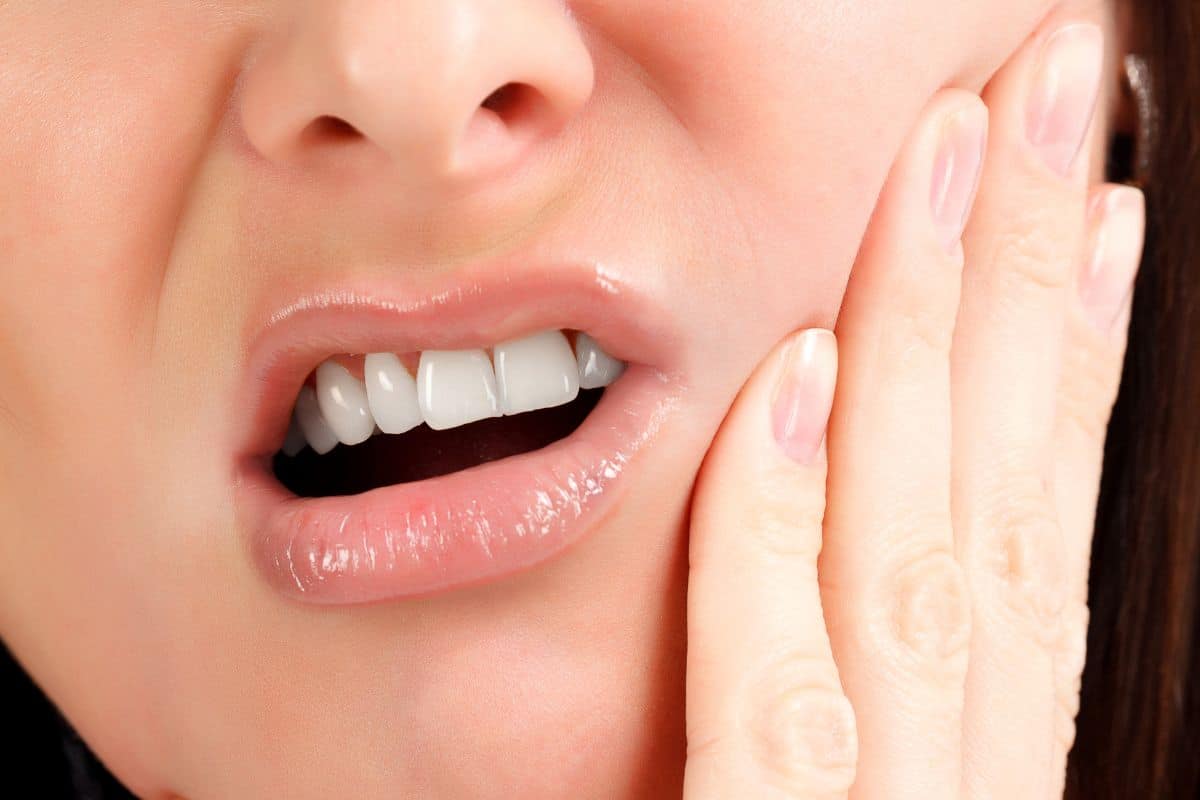
If you notice sensitivity when eating hot, cold, or sweet foods, your filling or crown may no longer seal the tooth effectively.
Sensitivity can occur because:
- The restoration has worn down.
- A small gap has formed.
- New decay has developed underneath.
Persistent sensitivity deserves professional evaluation.
Visible Cracks or Chips
Even strong restorative materials can crack over time.
Watch for:
- Small chips
- Hairline cracks
- Missing pieces
- Rough edges
A damaged restoration may no longer protect the underlying tooth.
Loose Fillings or Crowns
A restoration should remain firmly attached to your tooth.
If you notice movement while chewing or brushing, schedule an appointment promptly. A loose restoration allows bacteria and food particles to enter beneath it, increasing the risk of decay.
Pain When Biting
Pain during chewing may indicate:
- A cracked crown
- A failing filling
- Damage beneath the restoration
- Bite alignment changes
Your dentist can determine the exact cause and recommend appropriate treatment.
Changes in Appearance
Older restorations sometimes become more noticeable over time.
You may observe:
- Dark edges around fillings
- Stained crowns
- Worn surfaces
- Uneven appearance
- Discoloration compared to surrounding teeth
Modern restorative materials often provide a more natural appearance while improving function.
Recurring Cavities Around Restorations
One of the most common reasons for replacing fillings involves decay that develops around existing restorations.
Bacteria may collect in tiny spaces where an aging filling or crown no longer seals the tooth completely.
Early treatment helps preserve more of your natural tooth structure.
Gum Irritation Around a Crown
Healthy gums should fit comfortably around your restoration.
If you notice:
- Redness
- Swelling
- Bleeding
- Tenderness
Your crown may no longer fit correctly or plaque may have accumulated around it.
A professional evaluation helps identify the cause before additional problems develop.
What Happens During a Restoration Evaluation?
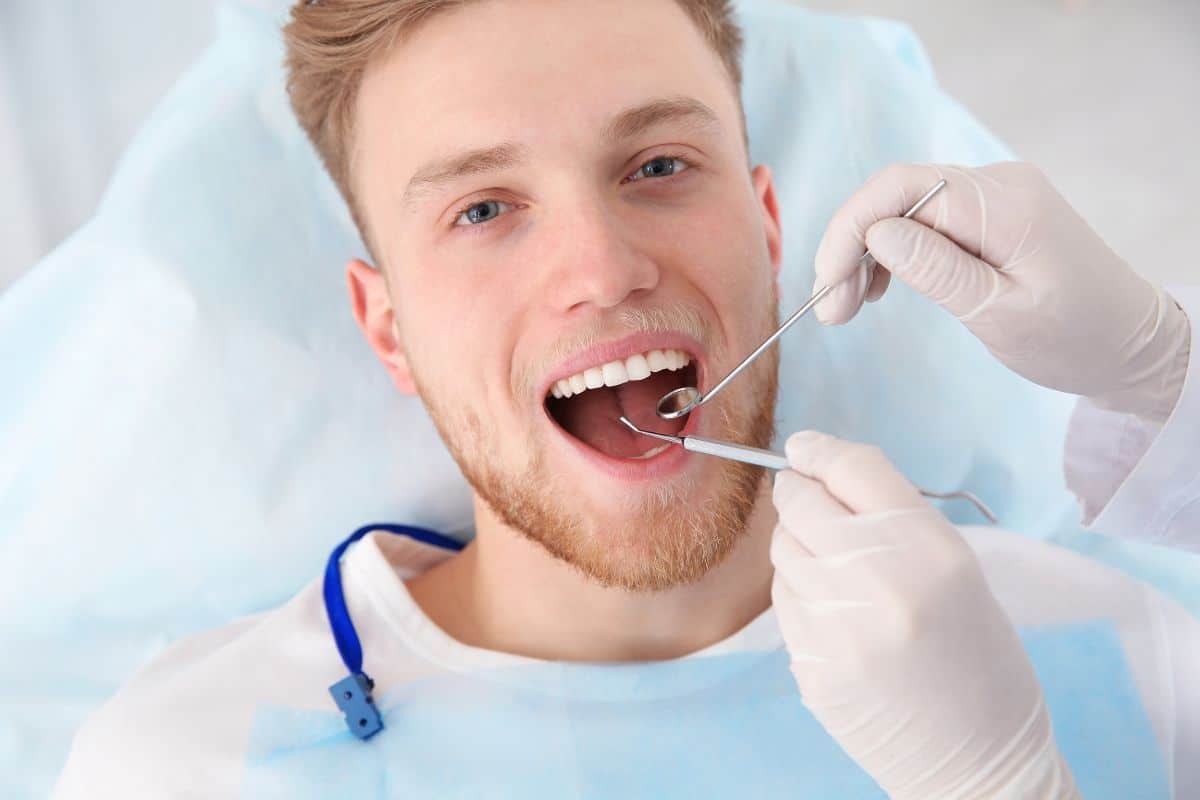
Your dentist performs a comprehensive examination to determine whether your filling or crown continues to function properly.
The evaluation may include:
- Visual examination
- Digital X-rays
- Bite assessment
- Gum evaluation
- Checking restoration margins
- Reviewing your symptoms
This information helps your dentist recommend the most appropriate treatment.
Replace vs Repair
Not every restoration requires complete replacement.
Minor damage may sometimes be repaired if:
- The surrounding tooth remains healthy.
- The restoration remains stable.
- No decay is present underneath.
However, replacement becomes the better option when:
- Significant cracks develop.
- Decay exists beneath the restoration.
- The restoration becomes loose.
- Large portions have worn away.
Your dentist will recommend the most conservative treatment that protects your long-term oral health.
How to Extend the Life of Your Fillings and Crowns
Good daily habits help restorations last longer.
You can protect them by:
- Brushing twice each day
- Flossing daily
- Avoiding chewing ice
- Wearing a nightguard if you grind your teeth
- Limiting very hard foods
- Scheduling regular dental checkups
- Following your dentist’s recommendations
Consistent preventive care often helps restorations remain functional for many years.
Understanding signs old fillings or crowns may need replace allows you to protect your oral health before small concerns become larger problems. Tooth sensitivity, visible damage, loose restorations, recurring decay, or discomfort while chewing should never be ignored. Regular dental examinations make it easier to identify these issues early and preserve your natural teeth whenever possible.
If you believe one of your fillings or crowns may need attention, schedule an appointment with Watson, Niven, Skahen – Comprehensive, Restorative, & Esthetic Dentistry in Newport Beach. Dr. James Skahen and Dr. Scott Niven provide personalized restorative care to help keep your smile healthy, comfortable, and functioning at its best for years to come.