Newport Beach is a place where sunshine, salt air, and an active outdoor lifestyle come together. From morning paddle sessions to evening strolls along Balboa Island, residents here take pride in looking and feeling their best. A healthy, confident smile fits right into that lifestyle. That is why so many people in Newport Beach and nearby communities like Corona del Mar, Balboa Peninsula, Costa Mesa, and Huntington Beach regularly visit a dentist for cleanings, fillings, whitening, crowns, and more.
Yet after those visits, many patients notice a sharp, shooting pain when they sip cold water, bite into something sweet, or even breathe in cool ocean air. That discomfort has a name: tooth sensitivity. It is one of the most common concerns people report after dental work. In most cases, the pain is temporary and manageable. But there are times when it signals a need for professional attention. This guide walks you through the reasons why, the home remedies that can help, and the signs that tell you it’s time to call your dentist.
At Watson, Niven, Skahen – Comprehensive, Restorative, & Esthetic Dentistry, located in Newport Beach, CA 92660, the team understands that tooth sensitivity after dental procedures is not just a minor inconvenience; it affects how you eat, sleep, and enjoy everyday life. Dr. James Skahen and the rest of the team are here to help you get real relief. Call today to schedule your visit.
Meet Dr. James Skahen – A Newport Beach Native Who Understands Your Smile
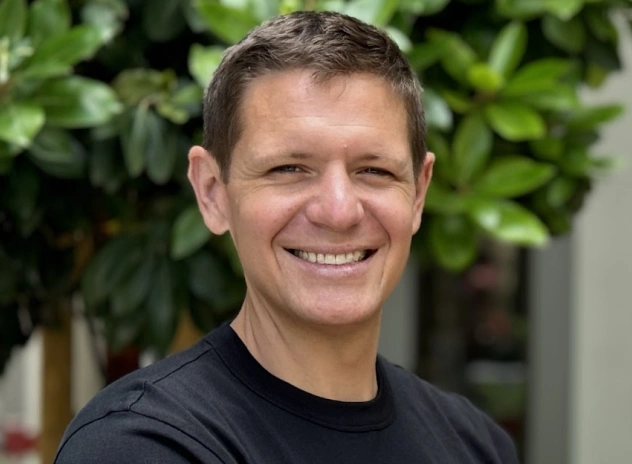
Dr. James Skahen, dentist in Newport Beach, grew up right here in Newport Beach. He attended Newport Harbor High School, learned to surf along these very shores, and was a patient of Dr. Watson’s practice back in 2001. His roots in this community run deep, and so does his dedication to the people who call this place home.
Dr. Skahen earned his Biology degree from UC San Diego, then completed a Master’s degree in Neuroscience — studying the science of pain, which gives him a unique perspective when patients describe discomfort. He went on to earn his Doctor of Dental Surgery (DDS) from Loma Linda University, where he developed a passion for combining medical science with compassionate patient care. He later completed advanced training at USC, focusing on pediatric dentistry, dental trauma, hospital-based care, and patients with special healthcare needs.
Dr. Skahen is a proud member of the American Dental Association, the California Society of Pediatric Dentistry, and the Spear Study Club. When he is not caring for patients, you will find him at the beach with his family, hiking, playing guitar, or chasing waves — a true Newport Beach local through and through.
Why Do Teeth Feel Sensitive After Dental Work?
Understanding why your teeth react this way starts with knowing how teeth work. The outer layer — enamel protects the softer inner layer called dentin. When enamel gets disturbed, or when gum tissue is temporarily irritated, the nerves inside your tooth become more reactive to temperature, pressure, and sweet or acidic foods.
Common Dental Procedures and Why They Cause Sensitivity:
Teeth Whitening: Bleaching agents open the enamel pores temporarily, exposing dentin. Most patients notice heightened sensitivity for 24 to 72 hours after the whitening treatment.
Dental Fillings: The removal of decay and the drilling process can inflame the pulp. Composite resin fillings may also cause mild pressure sensitivity as the bite adjusts.
Dental Crowns: Shaving down the tooth to fit a crown exposes dentin. The tooth may feel sensitive to hot and cold until the permanent crown is placed and the tissue settles.
Root Planing and Scaling: This deep-cleaning procedure removes tartar below the gumline, which can leave roots temporarily exposed and reactive.
Dental Implants and Extractions: Surgical work in the jaw can cause surrounding teeth to feel tender as healing progresses over the first few weeks.
In most cases, this sensitivity fades within a few days to two weeks. However, sensitivity that lasts longer, worsens over time, or is accompanied by throbbing or swelling requires a dentist’s evaluation.
Normal Sensitivity vs. a Warning Sign — How to Tell the Difference
Not every twinge means something is wrong. Here is a simple way to read your symptoms:
Likely normal: Mild, sharp pain triggered by cold or sweets, lasting only a second or two, appearing within 24–48 hours of your appointment, and gradually fading.
See your reliable dentist: Pain that lingers for more than 30 seconds, spontaneous throbbing pain (not triggered by anything), swelling, visible changes to your gum tissue, or sensitivity that gets worse instead of better after two weeks.
Newport Beach residents who enjoy cold smoothies, iced coffees, or frozen treats after a beach day will notice any changes to how their teeth respond. Trust that instinct; if something feels off, it is worth a call to your dental office.
Natural Ways to Ease Tooth Sensitivity at Home
While you wait for sensitivity to resolve, several home strategies can lower your discomfort without masking a deeper problem:
Use a desensitizing toothpaste: Products containing potassium nitrate or stannous fluoride block pain signals from the tooth surface. Use them consistently for at least two weeks to notice a difference.
Switch to a soft-bristle toothbrush: Hard bristles and aggressive brushing wear down enamel and irritate gum tissue. After any dental work, brush gently in small, circular motions.
Rinse with warm salt water: A simple saline rinse twice daily reduces inflammation and helps gum tissue heal after scaling, extractions, or implant placement.
Avoid extreme temperatures and acidic foods: For the first few days after treatment, avoid ice-cold beverages, hot soups, citrus juices, and carbonated drinks. These are the biggest triggers for post-procedure discomfort.
Apply clove oil sparingly: Eugenol, the active ingredient in clove oil, is a natural analgesic. Apply a tiny amount directly to the affected area with a cotton swab for short-term relief.
Stay hydrated: The warm, sunny climate means residents spend a lot of time outdoors. Staying well-hydrated keeps saliva flowing, which naturally protects enamel and aids healing.
When Home Remedies Are Not Enough — Time to See Your Dentist
There are situations where no amount of desensitizing toothpaste or a saltwater rinse will solve the problem because the root cause is clinical. You need professional care when:
- Sensitivity persists beyond two weeks after a filling, crown, or whitening session.
- You may notice the pain spreading to neighboring teeth or into your jaw.
- Your bite feels uneven or ‘high’ after a filling or crown — this usually means an adjustment is needed.
- A crown or filling has become loose, and the exposed dentin is causing sharp, constant pain.
- You experience gum recession that leaves root surfaces exposed — a common concern in patients who grind their teeth, a habit that the dry, warm climate and a fast-paced lifestyle can make worse.
In these cases, professional treatments such as fluoride varnish applications, bonding to seal exposed root surfaces, a bite adjustment, or, in some instances, a root canal are the right path forward. These are long-lasting solutions, not just temporary fixes.
Patients across Newport Beach, Corona del Mar, Costa Mesa, Huntington Beach, and Irvine trust Watson, Niven, Skahen – Comprehensive, Restorative, & Esthetic Dentistry to evaluate and address persistent sensitivity. The practice has served the Newport Beach community for several years and uses both cutting-edge and time-proven techniques to deliver comfortable, lasting results.
Choosing Dental Treatments That Minimize Sensitivity Risks
One of the best ways to reduce post-procedure discomfort is to work with a dental team that prioritizes precision and patient comfort from the very start. Tooth sensitivity after dental procedures is often less severe when the work is done with modern equipment and a conservative approach. This means the dentist removes only what is necessary and protects healthy tooth structure whenever possible.
At our dental office, the team uses modern electric handpieces that run quieter and create less vibration than traditional drills. They also offer virtual reality headsets during treatment so patients can watch a movie and stay relaxed throughout their appointment. Less anxiety means less clenching, which leads to less inflammation and a smoother recovery.
Ready to Get Real Relief? Visit Our Dental Practice
Living in Newport Beach means you enjoy one of the most beautiful coastlines in California. You deserve to enjoy every meal, every cold drink, and every morning smile without flinching from tooth pain. Whether your sensitivity started after a recent dental visit or has been bothering you for weeks, the answer is always the same — get it checked.
The team is ready to listen, evaluate, and give you a clear picture of what is happening and what you can do about it. From simple desensitizing treatments to advanced restorative care, they cover every step of the journey back to a pain-free smile. Call today or request an appointment online — your comfort is worth it.